The story behind
Non è Francesca, according to DoReSol
The story behind _Non è Francesca_ takes us to a time when Lucio Battisti had not yet established himself as a performer, but was already exploring his songwriting facet. The piece, born in the summer of 1966 or even earlier, circulated in a repertoire that Battisti offered to other artists. One of the first opportunities arose with I Nomadi, who were recording _Noi non ci saremo_. However, the collaboration did not materialize, as it involved setting aside work already in progress with Francesco Guccini.
After this detour, the song reached the hands of Roby Matano, a friend of Battisti and part of I Campioni. Matano recorded a demo with piano accompaniment by Alberto Pasetti. Despite a contract with Durium, Ricordi proposed to Matano to present _Non è Francesca_ at the festival _Un disco per l'estate 1967_. Although approval had been given for the recording, the artistic director of Durium finally decided that the beat group I Balordi would perform it, a decision that disappointed Matano. The version by I Balordi, produced by Battisti himself, included a guide track recorded by him. Interestingly, in this guide track and in the final version by I Balordi, Francesca's dress is white, unlike the red mentioned in the original lyrics. Battisti also contributed to the arrangement and recorded the bass on this take, made almost live and without subsequent retouching.
The core of _Non è Francesca_ lies in its narrative, a monologue where the protagonist refuses to accept his partner Francesca's infidelity, even when faced with compelling evidence. The lyrics, by Mogol, intertwine concrete facts, such as the description of clothing ("era vestita di rosso"), with personal denial ("no non può essere lei"). This structure, which mixes reality with disbelief, evokes a quality inherent to the blues. Musicologist Gianfranco Salvatore describes it as a reflection of male anguish in the face of lies and deceit, while Luciano Ceri highlights Mogol's ability to build a complete story with few images. Finally, Lucio Battisti's 1969 version propelled the song to a prominent place in his work and consolidated it as a fundamental piece of Italian music.
From album

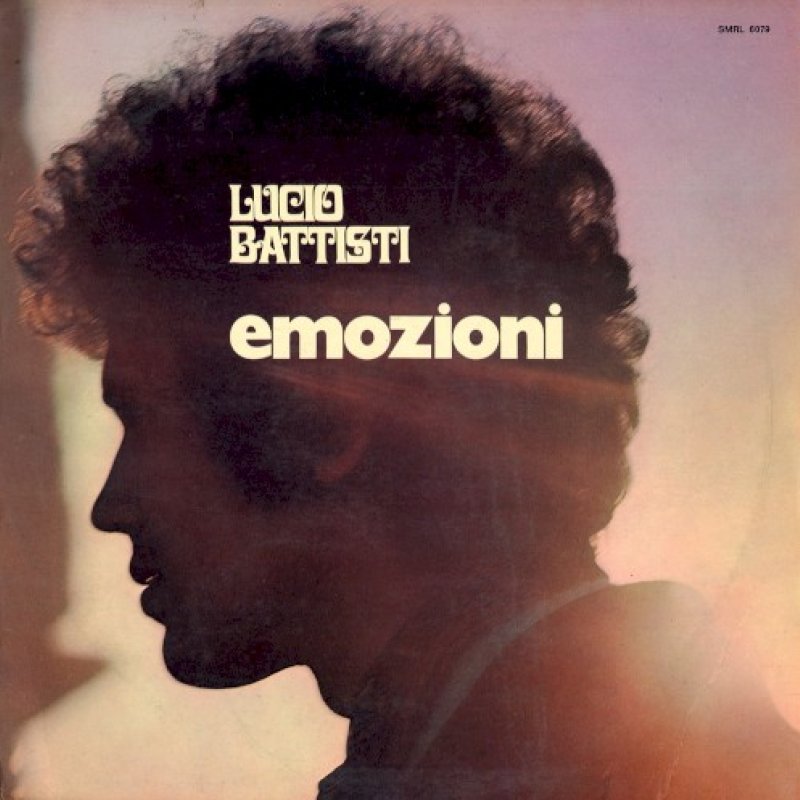
Emozioni
Lucio Battisti · 1970
Details
Credits
Lyrics Mogol
Music Lucio Battisti