The story behind
No Reply, according to DoReSol
What makes No Reply an interesting piece to deconstruct is its direct narrative, almost like a short story told in three minutes. The lyrics introduce us to a young man searching for his girlfriend, but she seems to be avoiding him, even when he sees her through the window. There's a sense of frustration and suspicion of infidelity that builds up. The Beatles' publisher, Dick James, was particularly pleased with this song, commenting that John Lennon was managing to tell complete stories in his compositions, something he hadn't perceived before. Lennon himself described it as his version of "Silhouettes," a 1957 track written by Bob Crewe. Musically, the song stays in C major and follows a standard verse-verse-bridge-verse structure, without a proper chorus, but with the catchy refrain of "No Reply." The instrumentation is simple yet effective, featuring acoustic guitar, bass, drums, and piano.
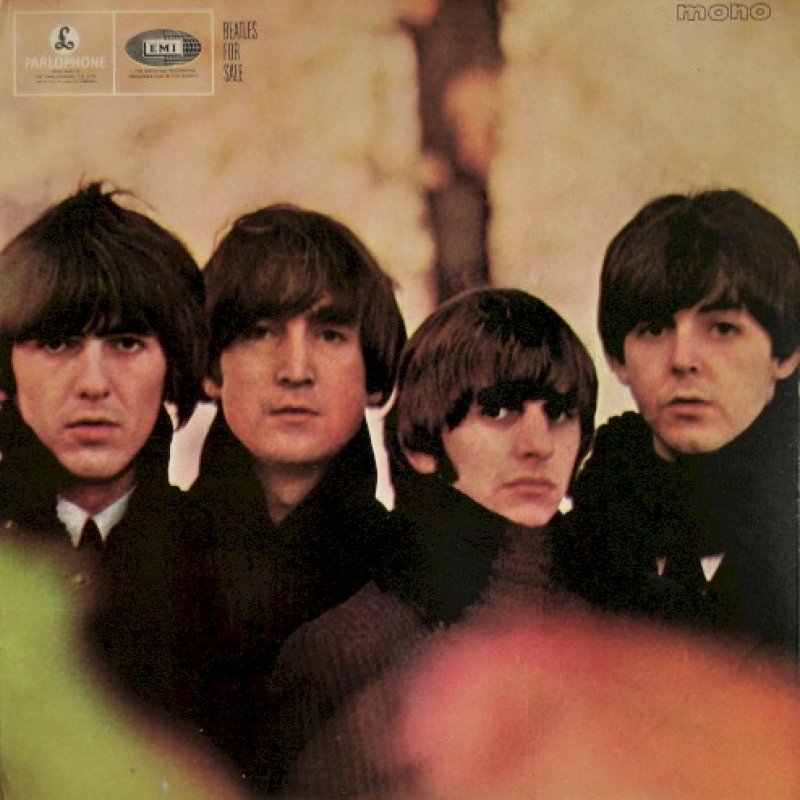
The recording of No Reply had a particular detail with the vocals. Originally, John Lennon had intended to sing the higher melodic line in the harmonies. However, his voice had suffered from constant use, which forced Paul McCartney to take that part, leaving Lennon with the lower harmony line. This song is part of Beatles for Sale, The Beatles' fourth studio album, released on December 4, 1964, in the UK. This album marked a shift from the more upbeat tone of their previous works, partly due to the band's exhaustion after a year of intense touring that had catapulted them to global fame in 1964. The production was handled by George Martin, with recording engineering carried out by Ken Scott, Norman Smith, and Mike Stone.
From album

Beatles for Sale
The Beatles · 1964 · Track 1
Details
Credits
Music Paul McCartney, John Lennon