The story behind
Mystery Train, according to DoReSol
The first time I heard Mystery Train in The Paul Butterfield Blues Band's version, I was hooked by that guitar riff that sounds like a train that never quite arrives. It's not your typical blues: it has an air between rockabilly and electric blues, with a tempo that moves forward but doesn't rush, as if the caboose were dragging something more than passengers. The song isn't about trains in the literal sense—the title is pure mystery—but the obsessive repetition of "sixteen cars" and "the long black train" gives it that hypnotic cadence that makes the listener feel the rumble under their feet. The funny thing is, according to historian Colin Escott, nobody knows where the name came from: not a single line in the lyrics mentions it, and yet there it is, like a ghost haunting the entire song.
The original version was recorded by Junior Parker in 1953 under the name Little Junior's Blue Flames, at Sam Phillips's studios in Memphis, with a band that included Floyd Murphy on guitar and Raymond Hill on tenor saxophone. Phillips, who would later produce Elvis Presley, gave the recording a raw, unfiltered sound, as if the microphone had captured the hot air of the room. Parker released it as the B-side of Feelin' Good, but the track didn't climb the charts. However, the riff and structure lingered in the air of 1950s blues until Elvis revived it in 1955 as the B-side of I Forgot to Remember to Forget. There, with Scotty Moore leading the guitar and that characteristic Sun Records echo, the song became a bridge between rhythm and blues and rockabilly. What's curious is that when The Band covered it in 1973 for Moondog Matinee, they added new lyrics written by Robbie Robertson, but kept that sense of an endless journey: a train carrying something—or someone—and no matter how hard you chase it, it always slips away.
From album

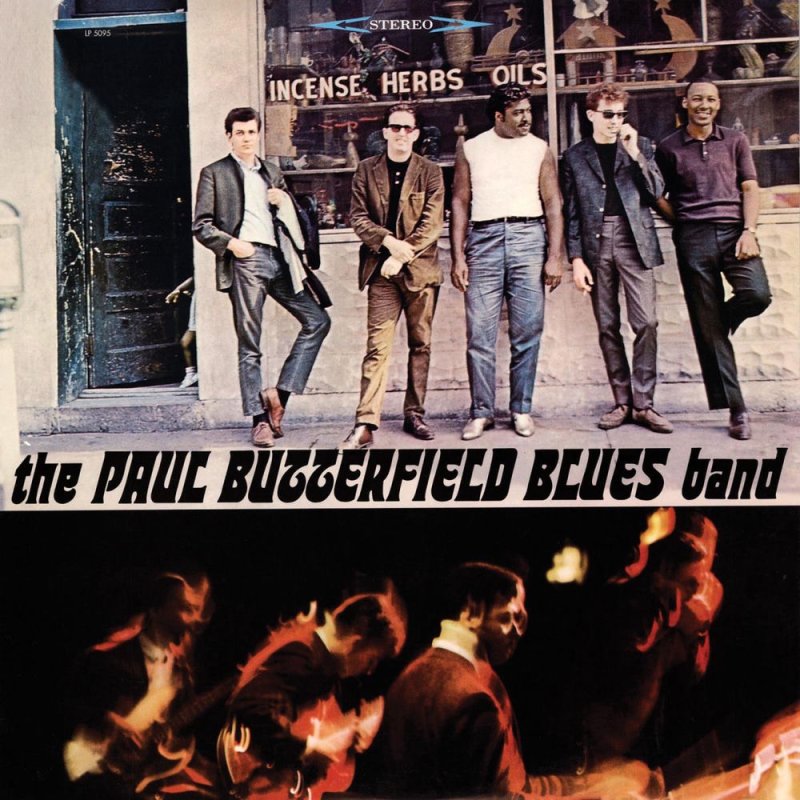
The Paul Butterfield Blues Band
The Paul Butterfield Blues Band · 1965 · Track 9
Details
Credits
Music Junior Parker, Sam Phillips