Chords in progress
We have not analyzed this song audio yet. Once it is ready, you will see the chord player synced with the video.
The story behind
Born in Chicago, according to DoReSol
The first chord of Born in Chicago sounds like a cry dragging itself across the asphalt: a mix of urgency and nostalgia that doesn’t ask for permission to stay. The lyrics don’t hide their message: they speak of kids who grew up in the same city and ended up trapped in something bigger than themselves. It’s not a blues that stays in the neighborhood bar, but one that spills into the street, dragging the listener through shadows and neon lights. The sharp, repetitive opening riff acts like a heartbeat that won’t stop, and Paul Butterfield’s harmonica enters like a whisper that soon turns into a shout. Recorded in two separate takes months apart, the song was born at Mastertone Studio in New York City in 1965, but its essence had already been wandering Chicago’s clubs years earlier, when Nick Gravenites played it in a duo with Mike Bloomfield. It wasn’t just a song: it was a warning that blues could be more than nostalgia—it could be a mirror of what was happening beyond the stage.
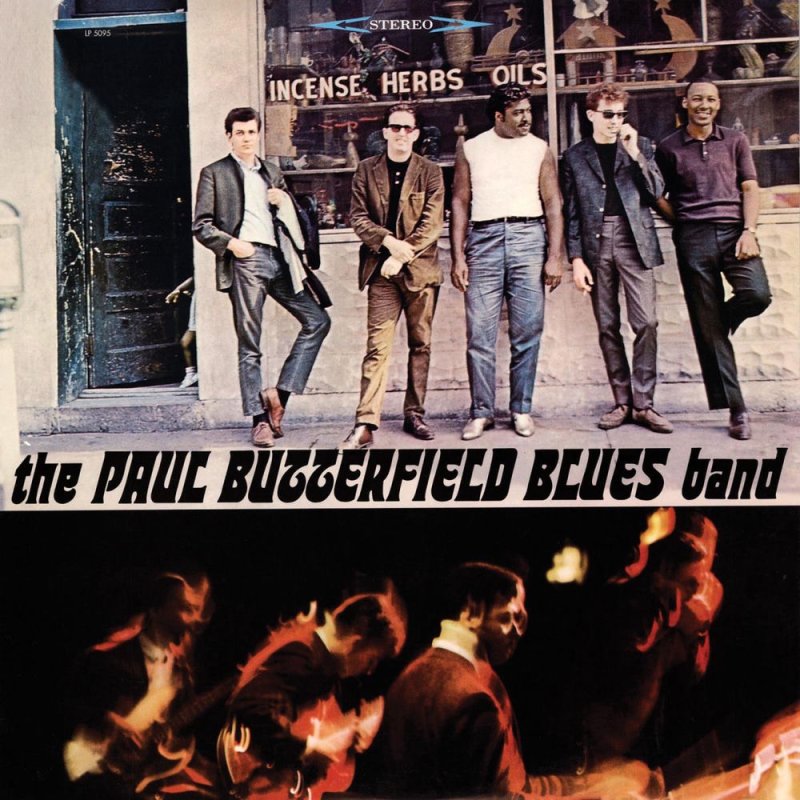
The first version, produced by Paul Rothchild for Elektra Records, was laid down in April 1965 and ended up on a compilation called Folksong '65. But Rothchild wasn’t satisfied: he wanted more body, more layers. In September of the same year, they returned to the studio, this time with Mark Naftalin on organ, to record the take that would end up on the band’s debut album. The result came out in October 1965 and became one of the first blues records to cross over to white audiences in the U.S. The song, clocking in at just two minutes and fifty-five seconds, didn’t just open the album: it opened a door. Since then, Born in Chicago has been covered by artists like Jesse Colin Young, Pixies, George Thorogood, and Tom Petty, but no version has matched that blend of contained rage and melancholy that sounds like Chicago itself. In 2016, critic Jay Gentile called it a song that remains relevant, with lyrics that speak of young people lost in street violence, as if time had stood still.
From album

The Paul Butterfield Blues Band
The Paul Butterfield Blues Band · 1965 · Track 1
Details
Credits
Lyrics Nick Gravenites
Music Nick Gravenites