Chords in progress
We have not analyzed this song audio yet. Once it is ready, you will see the chord player synced with the video.
The story behind
Money, according to DoReSol
There are songs that, when played, invite you to unravel layers of meaning and technique. Money by Pink Floyd is one of those. The first thing that catches your attention is its pulse, that feeling that something doesn't quite fit into the usual rhythm. And indeed, for the most part, the piece moves in a 7 by 4 time signature, an uncommon choice that gives it that distinctive and "bluesy" character that Roger Waters was looking for. To bring that idea to life, Waters composed the main riff on an acoustic guitar. Furthermore, the song begins with a fascinating sonic detail: a tape effects loop that he himself recorded, mixing the jingle of coins, the sound of a cash register, and other money-related noises. These effects, precisely synchronized to the beats, not only mark the beginning and tempo but also reappear throughout the piece.
The recording of Money took place between June 1972 and January 1973 at EMI Studios in London. The production was handled by the band themselves, with Alan Parsons and Peter James as recording engineers and Chris Thomas on mixing. Roger Waters wrote the lyrics with a clear intention: to criticize the influence of money and the capitalist system through irony. He himself commented that money interested him enormously and that, at the time, he had to reflect on his own position regarding socialism and capitalism, acknowledging the attraction to material things. The song's structure is based on the twelve-bar blues, but with variations. After two vocal verses, there is an instrumental section of twenty bars where a tenor saxophone solo performed by Dick Parry stands out. Then, the music transitions to a 4 by 4 time signature to make way for David Gilmour's guitar solo, which extends to twenty-four bars before the song returns to 7 by 4 and ends in 4 by 4. This piece was released as a single and became Pink Floyd's first major hit in the United States, reaching prominent positions on the Cash Box and Billboard Hot 100 charts. The track has remained a staple in the band's live performances and, subsequently, in the solo tours of Gilmour and Waters.
From album

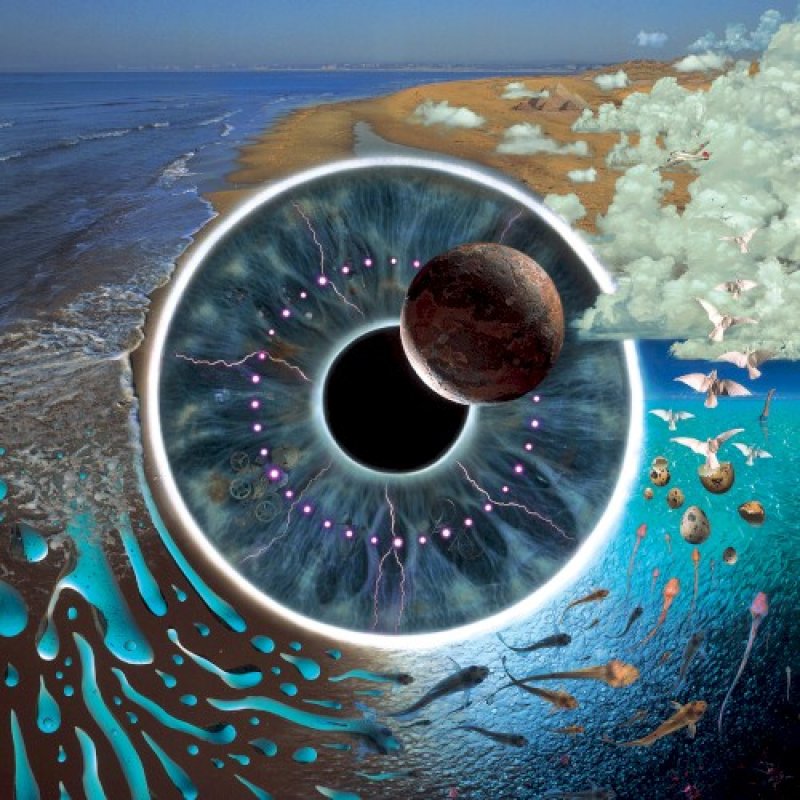
p·u·l·s·e
Pink Floyd · 1995 · Track 6
Details
Credits
Lyrics Roger Waters
Music Roger Waters