Chords in progress
We have not analyzed this song audio yet. Once it is ready, you will see the chord player synced with the video.
The story behind
Mojave, according to DoReSol
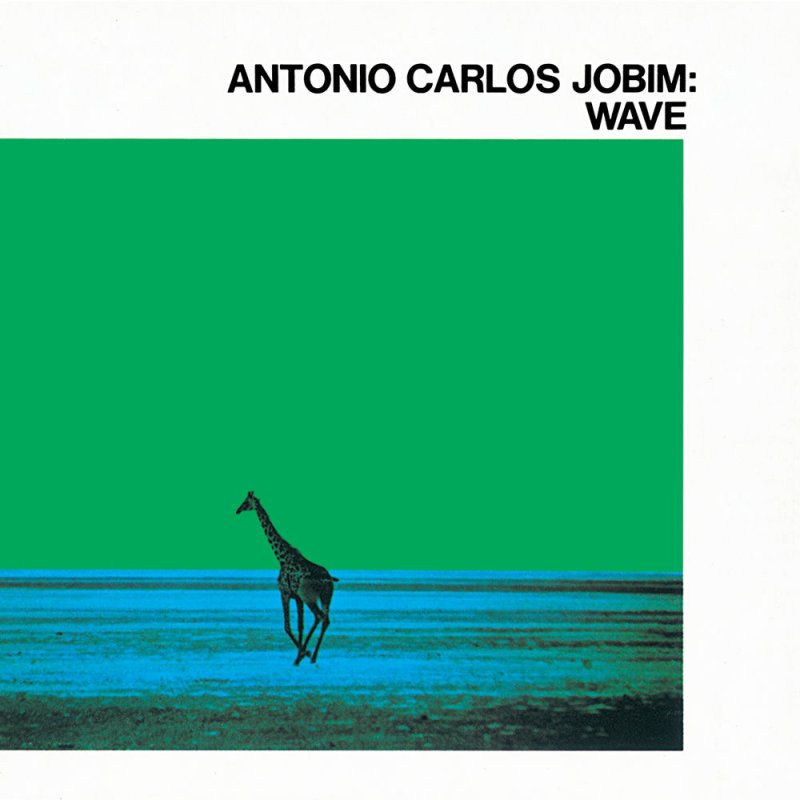
In Wave, the fifth album by Jobim, Mojave is that piece that passes quickly but leaves a mark: it lasts only two and a half minutes and yet sounds more like a soundscape than a song. It is not a track that stands out for its complex structure, but for how Jobim manages to condense into those measures an atmosphere that seems to escape from a desert at sunset. The piano sounds clean, almost like a whisper, and the rhythmic base —with that bass that drags and the strings that stretch— paints a vast horizon, as if the music itself were breathing the dry air of Mojave. It is one of those moments when bossa nova becomes more jazz than samba, more landscape than rhythm.
The recording of Wave in 1967 in New York brought together American musicians with Jobim’s Brazilian style, and Mojave is a clear example of that fusion: Claus Ogerman’s arrangement —with its ethereal strings and intertwining winds— lends it an air of classical sophistication, while Ron Carter’s bass performance anchors everything in a subtle yet firm groove. Engineer Rudy van Gelder captured that sound in the studio, and producer Creed Taylor ensured the album reached the public’s ears, even though Wave was not a massive hit: on the Billboard 200, it barely scraped position 114, while on the Jazz Albums chart it reached fifth place. But beyond the numbers, what remains is the feeling that Mojave exists in that limbo between the everyday and the dreamlike, as if Jobim had wanted to capture in two and a half minutes the silence that precedes dawn in the desert.
From album

Wave
Antonio Carlos Jobim · 1967 · Track 6
Details