The story behind
Moisés, according to DoReSol
In Moisés the time seems to stretch until it becomes malleable. The seven minutes or so of duration are not a whim: the song progresses as if each note were breathing, as if the opening riff — the one that cuts in from the first seconds — needed that space to unfold without haste. It is not a track meant to be heard in the background: it demands attention, and in return delivers an atmosphere where the epic and the intimate blend without warning. The contrast between the power of the guitar and the moments of almost liturgical calm gives it a weight that few songs of its era managed to sustain without falling into grandiloquence. There is something in the way the band builds the silences that makes each pause sound like a decision, not an error.
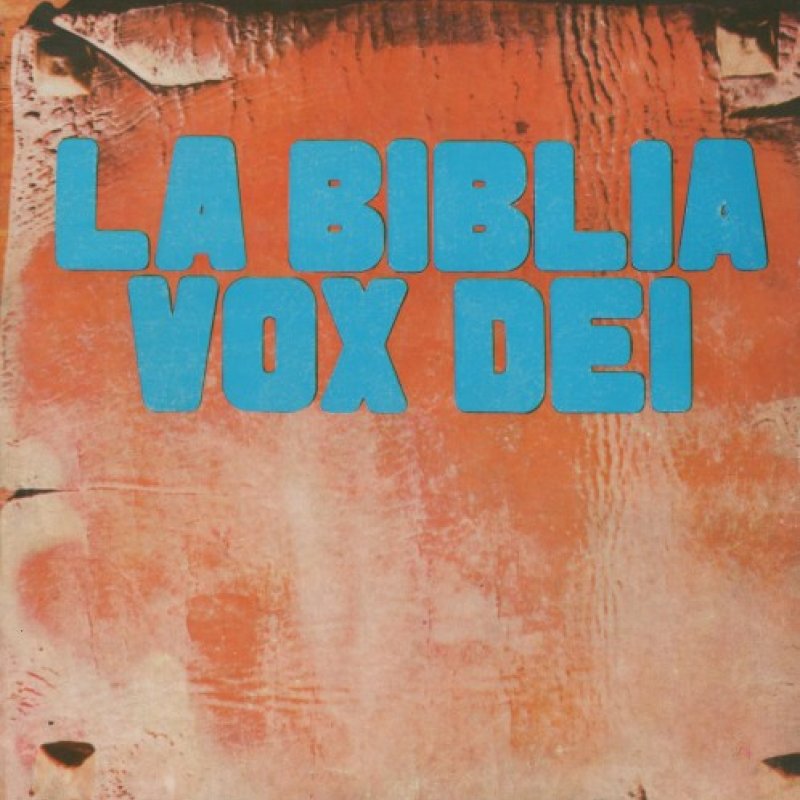
This song was born in the autumn of 1970, when Vox Dei was still seeking to define its sound between blues and hard rock. The album La Biblia, where it appears, was the band’s second full-length release and the first to be produced by Jorge Álvarez, a distinctive mark that shaped their evolution. The recording was done with borrowed equipment and under conditions that today would seem precarious, yet the result — that air of contained urgency — ended up being key. They were not seeking massive success, but something that sounded authentic, and in Moisés that goal was clear: the song is not just played, it is lived. By 2007, Rolling Stone magazine had included it in its list of the best albums of Argentine rock, but its true recognition came earlier, in the shows at the Teatro Presidente Alvear where the band premiered it. Even years later, other artists such as Billy Bond reinterpreted it in Argentina and Brazil, confirming that its strength was not fleeting.
From album

La Biblia
Vox Dei · 1971 · Track 2
Details
Credits
Music Juan Carlos “Yodi” Godoy, Willy Quiroga, Ricardo Soulé