The story behind
Más mejor, according to DoReSol
No Te Va Gustar recorded Más mejor in an intense month of 2002, between Santiago and Montevideo. The song was born during rehearsals for La Zapada and La salida de Abril, but most of the work was done in Chilean studios: the mix was handled by Mariano Pavéz in Santiago, while Clara —the only track on the album recorded in Uruguay— was captured by Álvaro Reyes at La Zapada. The result was unveiled in October of that year at the Teatro de Verano, marking the start of a tour that took them across the country. The mastering was finalized at Clio with Joaquín García and Mariano Pavéz, and although the album features fourteen tracks exploring ska, rock, reggae, and murga, Más mejor stands out for its raw energy and rhythm that seems to break free from traditional time signatures.The song runs for exactly 3:22, but in those minutes it distills a clear idea: the band, which had already spent years blending influences from Argentine rock, candombe, and even The Beatles, here opts for a sound that feels fresh without losing its essence.
Emiliano Brancciari —lead vocals and guitar— is the primary songwriter, though Mateo Moreno also co-wrote two tracks on the album. No Te Va Gustar had been growing since their formation in Montevideo in 1994, evolving from a trio into a full band with additions like Guzmán Silveira, Diego Bartaburu, and Pablo Coniberti, who brought the brass and percussion colors that define them today. The name itself was born from an inside joke: they initially used one they preferred not to mention, and when asked, they’d ironically reply, “no te va gustar” (“you won’t like it”). The joke stuck, and with it, an identity that still resonates.
From album

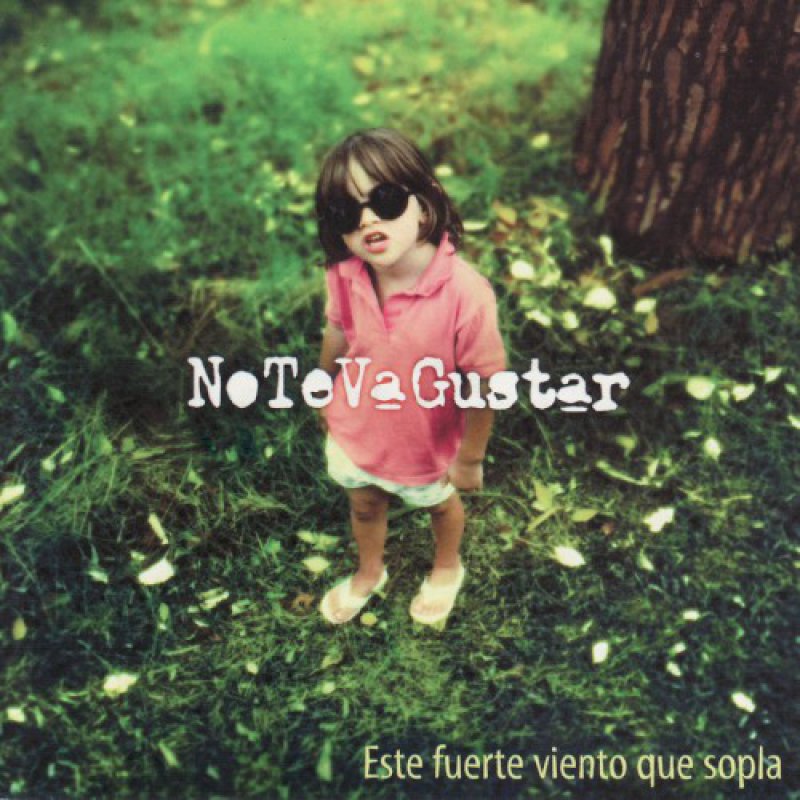
Este fuerte viento que sopla
No Te Va Gustar · 2002 · Track 13
Details
Credits
Lyrics Emiliano Brancciari
Music Emiliano Brancciari