The story behind
Mad World, according to DoReSol
When Roland Orzabal was 19 years old, he sat down with an acoustic guitar and began to shape what would become Mad World. The idea was to create something along the lines of Duran Duran's Girls on Film, but with his own touch. After some initial attempts with him at the forefront, Orzabal thought it would be a good idea for Curt Smith, the bassist, to sing. And there, suddenly, the song took on a completely different dimension and sounded fantastic. Some have pointed out that the chorus phrase "Mad World" might have a connection to the central part of Matthew and Son, a 1966 hit by Cat Stevens, something that Stevens himself has mentioned on occasion.
The lyrics also seem to be influenced by the theories of Arthur Janov, author of The Primal Scream, suggesting that intense experiences, even those of dying in dreams, are what best help release tension. And a curious detail: the final line of the chorus, which is sometimes heard as "illogical world" or "enlarging your world," actually says "Halargian world," an invention of an imaginary planet that arose during recording as a joke and which they decided to keep. Mad World was recorded at Brittania Row studios in London, with Chris Hughes and Ross Cullum as producers. Originally, it was thought to be the B-side of the band's second single, Pale Shelter, but the record label saw potential for it to be a standalone release.
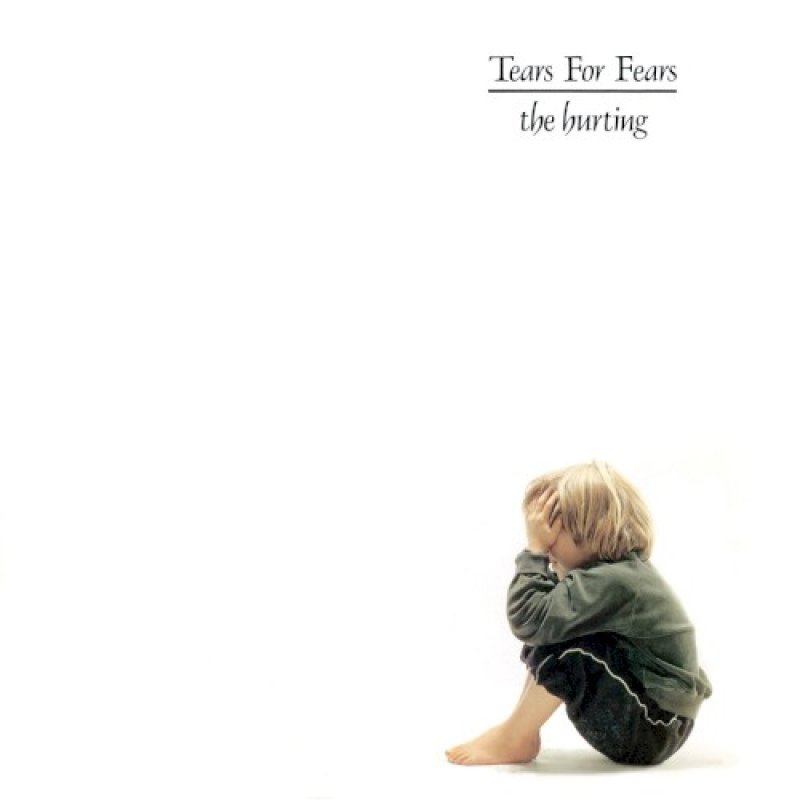
The song became Tears for Fears' first major international hit, reaching number three on the UK charts in November 1982 and entering the Top 40 in several other countries between 1982 and 1983. It was the 12th best-selling single in the UK that year. Both Mad World and its B-side, Ideas as Opiates, were part of the group's debut album, The Hurting, released in 1983. This record, which explored themes such as child abuse and psychological trauma, reached number one in the UK and was certified Gold shortly after its release. In 2001, a version of Mad World recorded by Michael Andrews and Gary Jules for the soundtrack of the film Donnie Darko revived the song's popularity, reaching number one in the UK for three consecutive weeks.
From album

The Hurting
Tears for Fears · 1983
Details
Credits
Lyrics Roland Orzabal
Music Roland Orzabal