Chords in progress
We have not analyzed this song audio yet. Once it is ready, you will see the chord player synced with the video.
The story behind
Lamento boliviano, according to DoReSol
Los Enanitos Verdes gave an unexpected twist to an existing song: they turned it into a hit that crossed borders. The version of Lamento boliviano that the band recorded in 1994 not only replicated the success of the original by Alcohol Etílico from 1986, but took it to another level. The fresh sound, Tito Dávila's vocal performance, and that catchy rhythm made the song resonate from Mendoza to Spain, where years later a remix by Dani Mata put it back on the radio in 2007. What's curious is that, beyond the arrangements, the essence of the song — that blend of melancholy and rebellion — was already there in the first version, but it was in this recording where it found its definitive form for the mass audience.
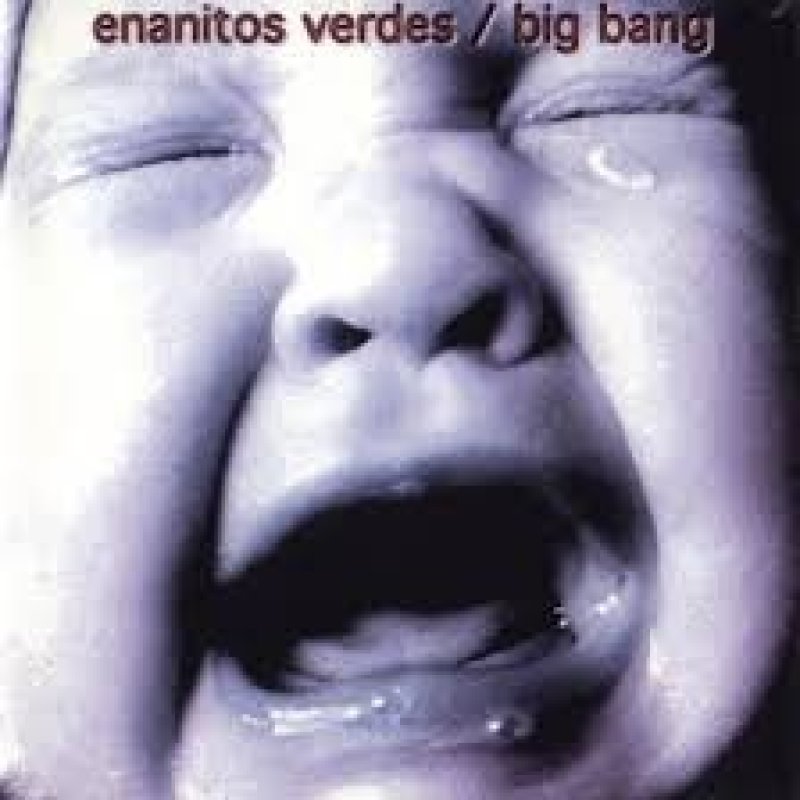
The song was born in 1984 from the hands of Dimi Bass (Raúl Federico Gómez) and Natalio Faingold, while they were still part of Alcohol Etílico. Originally, it was called Soy como una roca (Lamento boliviano) and appeared on the album Envasado en origen (1986), but without the impact it would have years later. The lyrics, however, already hinted at their literary inspiration: they took phrases from works like Crónica de una muerte anunciada by Gabriel García Márquez and Y el mundo sigue andando by Manuel Mejía Vallejo, blending poetic images with a direct tone. When Horacio Gómez — keyboardist of both bands — joined Los Enanitos Verdes to record it in 1994, the song already had a history behind it, but it was the production of the album Big bang that gave it that renewed air. The single was released that same year and ended up being one of the most widely spread tracks on the album, consolidating itself as a classic of Spanish-language rock in Latin America. Later, in 2021, the Mexican singer Junior H covered it for his album $ad Boyz 4 Life, proving that its relevance remains intact.
From album

Big Bang
Los Enanitos Verdes · 1994 · Track 2
Details
Credits
Music Dimi Bass, Natalio Faingold