The story behind
Jugar a la guerra, according to DoReSol
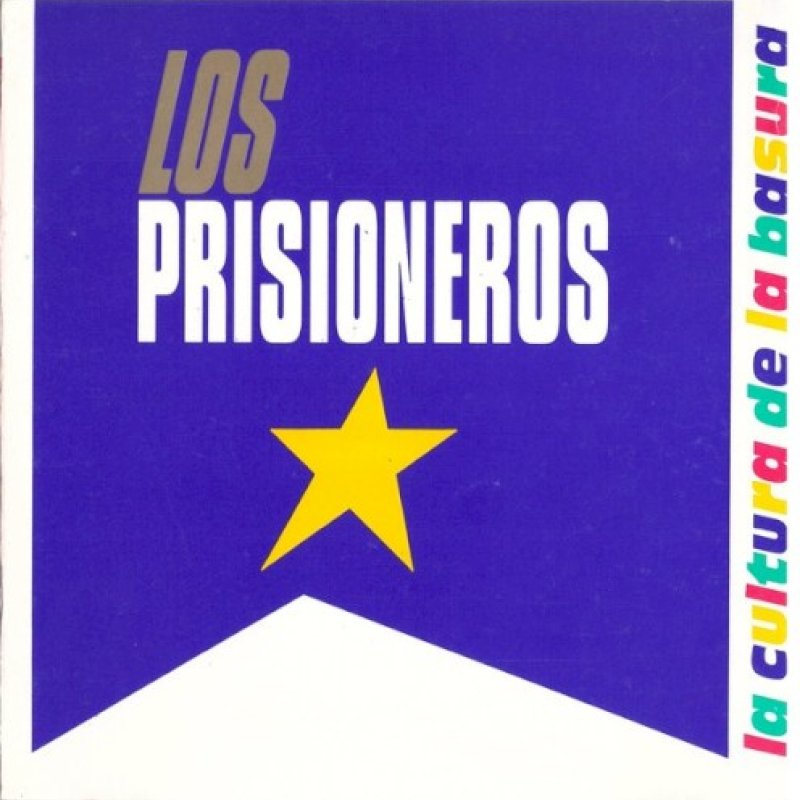
Los Prisioneros transformed the sound of a military march into the opening beat of “Jugar a la guerra.” The song begins with drum rolls that turn into trumpets of surrender, as if the army had already lost before it even began. There’s no room for heroics: the track moves forward with a rhythm that blends the martial with touches of rockabilly, while the bass sets the pace and the guitars intertwine in a play of echoes reminiscent of radio static. In the Chilean version, the listener hears distant alarms and distorted voices, as if the conflict were taking place on another frequency. The irony is no accident: in 1987, when the album *La cultura de la basura* was released, Chile was still under Augusto Pinochet’s regime, and a song that mocked military power was, in itself, an act of resistance.
The lyrics, written by Jorge González in June of that year, do not speak of epic battles but of the generals who amass wealth while deciding the fate of others. The text plays with the army’s bureaucratic language—titles, ranks, orders—to highlight its coldness, as if war were just another item on their agenda. The Chilean edition of the album, released in December 1987, included this track as the sixth song, but in the Latin American version that reached Peru, Bolivia, Colombia, and Venezuela a year later, the track appeared remixed: the trumpet intro was removed and the bass was emphasized, shortening its length from 4:38 to 3:25. In Ecuador, a vinyl edition with different tracks even circulated. Censorship on Chilean radio stations was immediate: in the midst of the dictatorship, a song that ridiculed the armed forces had no place in the media controlled by the regime. However, in other countries in the region, the album resonated, especially among young people who saw Los Prisioneros’ rock music as a way to protest without weapons.
From album

La cultura de la basura
Los Prisioneros · 1987 · Track 6
Details