Chords in progress
We have not analyzed this song audio yet. Once it is ready, you will see the chord player synced with the video.
The story behind
Isn’t It a Pity (version two), according to DoReSol
When you immerse yourself in Isn’t It a Pity (version two), you encounter a piece that, despite its 4:51 duration, unfolds a deep and reflective atmosphere. The recording, co-produced by George Harrison and Phil Spector, suggests a sonic exploration that goes beyond the conventional. This particular version, which is part of the album All Things Must Pass, is a reflection of a crucial moment in Harrison's career, just after the dissolution of The Beatles in April 1970. It is interesting to note that several of the songs included in this work, such as Isn’t It a Pity and the title track, had been considered for The Beatles' releases but did not materialize at that time.
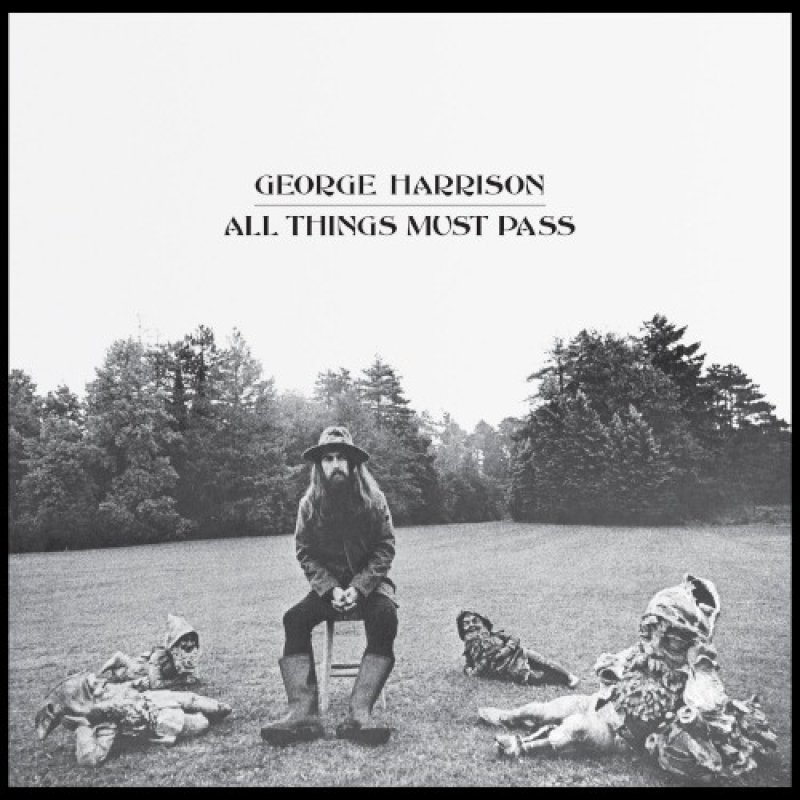
The album All Things Must Pass, released in November 1970 as an extensive triple disc, marked George Harrison's first major solo project. It reflects the influence of his previous musical collaborations with artists such as Bob Dylan, The Band, Delaney & Bonnie and Friends, and Billy Preston between 1968 and 1970. This period was key to his development as an independent artist, consolidating his own voice and style, beyond his role within the band. Harrison's characteristic slide guitar sound is present, along with spiritual themes that would become a hallmark of his later work.
From album

All Things Must Pass
George Harrison · 1970 · Track 17
Details
Credits
Lyrics George Harrison
Music George Harrison