The story behind
Hijo de la luna, according to DoReSol
The story narrated by *Hijo de la Luna* is about a gypsy woman who, desperate to marry the man she loves, asks the Moon for help. The deal proposed by the nocturnal star is to give her firstborn in exchange for fulfilling her wish. The Moon, to test the mother's love, agrees, and the couple finally unites. The fruit of their union is a child with very different features from his parents: white and with gray eyes, even though they are dark-skinned and dark-eyed. The father, upon seeing the child, does not recognize him as his own and, believing his wife was unfaithful with someone outside their ethnicity, kills her and abandons the baby in the mountains. The Moon, compassionate, takes the child, and the song closes with the idea that his mood is reflected in the lunar phases: when he is happy, the Moon shines full, and when he cries, it wanes to create a cradle for him. The musical composition fuses the ballad-pop and waltz genres with touches of gypsy and Spanish folklore.
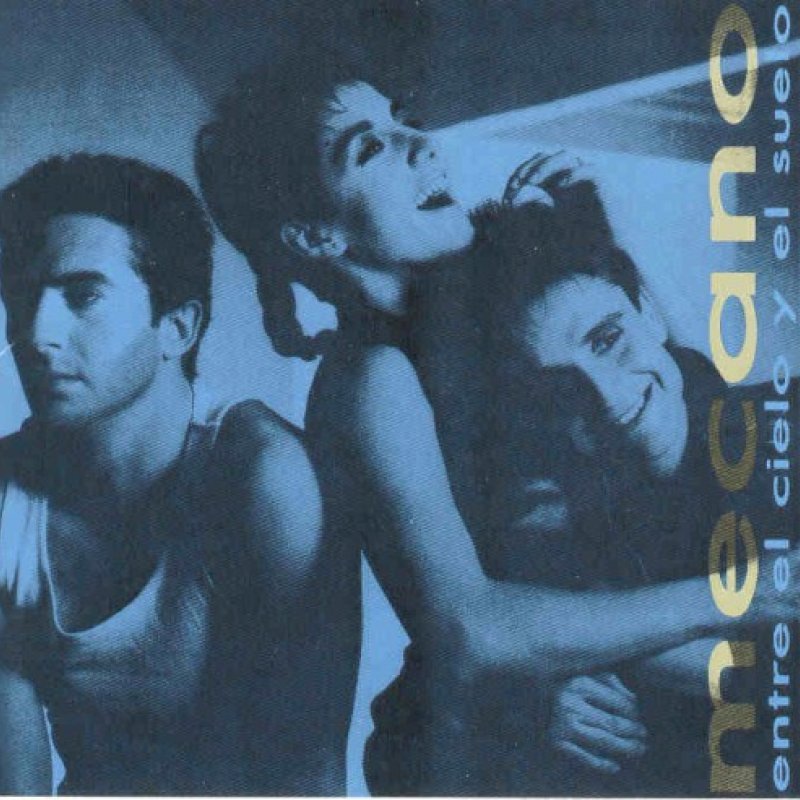
This piece was written by José María Cano in 1986, while he was living in Madrid. It was included in the album *Entre el cielo y el suelo*, released that same year. The release of *Hijo de la Luna* as a single occurred in 1987, first in Spain and then in Hispanic America and the United States. The album *Entre el cielo y el suelo* marked a turning point for Mecano, representing a stage of greater creative and technical maturity that opened the doors to international success. It was an album that sold over a million copies in Spain alone. The song, besides being a hit in its home country, resonated in various countries in Latin America, Europe, and the Philippines. Mecano also explored its dissemination in other languages, creating versions in Italian, which appeared on the 1989 album *Figlio della Luna*, and in French, included in the 1991 album *Aidalai*, achieving great reception in France and other French-speaking regions. The single's cover maintains a minimalist aesthetic, with a bichromatic photograph in gray and black tones, showing the three members of the group. The song's mix was handled by Luis Fernández Soria, and the production was carried out by Mecano.
From album

Entre el cielo y el suelo
Mecano · 1986
Details
Credits
Music José María Cano