The story behind
Good Company, according to DoReSol
In Good Company, Brian May embarked on a recording project that demanded considerable patience and an attentive ear for detail. The idea was to recreate the atmosphere of a Dixieland-style jazz band, but using only guitars. To achieve this, May used small amplifiers, including one from John Deacon, along with a volume pedal. The process involved recording each note individually, a technique he described as "incredibly laborious" and one that took "a great deal of time." His inspiration came from his youth, when he listened to a lot of traditional jazz, and he sought to capture how those instruments expressed melodies. They experimented with different microphones and amplifiers to get the exact sound, and May studied in depth what these instruments could play to make it sound authentic. While it was a fun exercise, it also represented serious work that required great dedication.
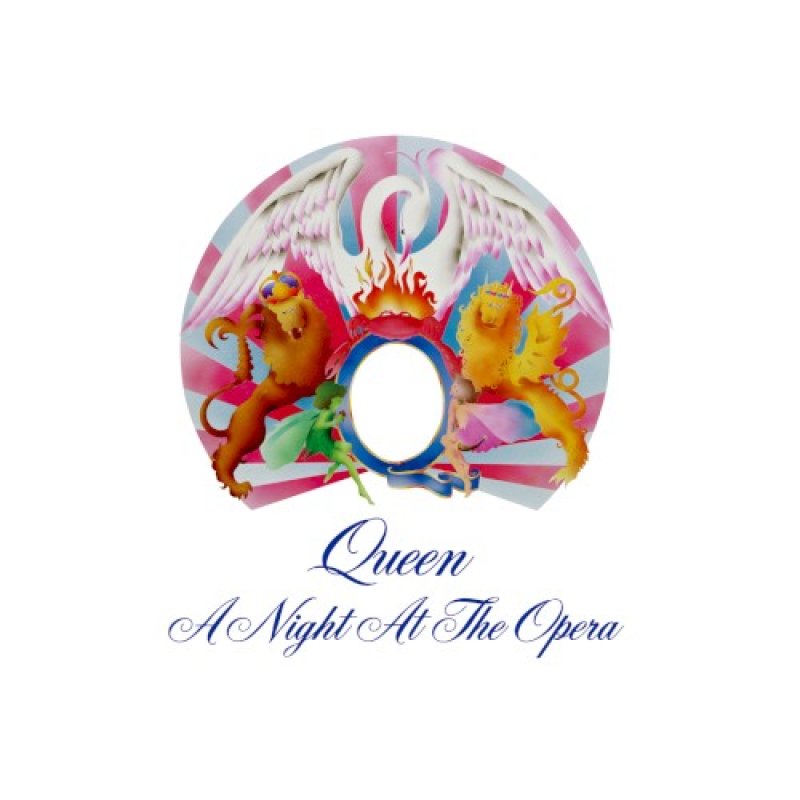
The composition of Good Company arose while Brian May was playing the ukulele, and the lyrics, which tell the story of a man learning about the importance of good company throughout his life, were not difficult to write. However, the complex part was the orchestration of what were supposed to be winds. May created a "wind" section made up of guitars simulating trumpets, clarinets, and trombones, as well as an additional part whose function was not entirely clear. The result of this meticulous recording work can be heard on the album A Night at the Opera, released in 1975. This album, which was one of the most expensive to produce at the time, also contains other well-known tracks by Queen such as Bohemian Rhapsody and You're My Best Friend. The album's title was actually taken from a Marx Brothers film that the band watched during the recording sessions.
From album

A Night at the Opera
Queen · 1975
Details
Credits
Lyrics Brian May
Music Brian May