The story behind
God Save the Queen, according to DoReSol
The version of God Save the Queen that Queen included in A Night at the Opera is a reinterpretation of the British national anthem, arranged by Brian May. This piece, lasting just 1:15, became a recurring element to close their concerts. From the Sheer Heart Attack Tour in 1974 to their last, the Magic Tour in 1986, the band would often bid farewell to the audience with this melody. The recording, featuring Kris Fredriksson and Mike Stone as engineers, and Roy Thomas Baker, Brian May, and Roger Taylor in production, showcases May’s skill in layering guitars, a technique he developed to mimic the sound of a violin, sometimes using up to thirty tracks in recordings. For this, he often used a small amplifier known as the 'Deacy Amp', originally created by John Deacon.
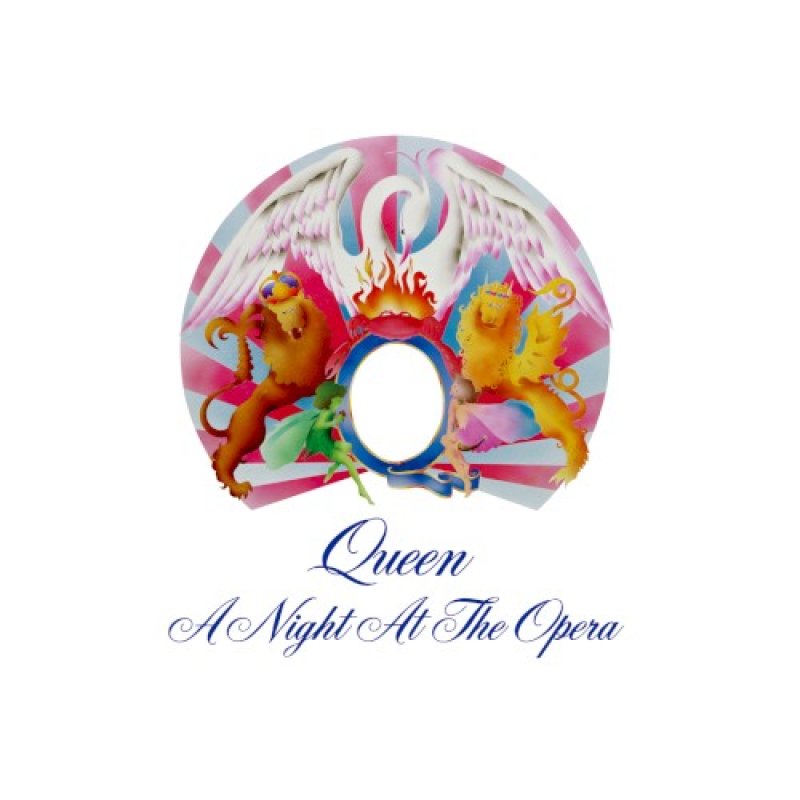
This adaptation of the anthem has an interesting background. The anthem itself, whose original authorship is unknown and has been attributed to John Bull, is a symbol of identity in several Commonwealth countries, such as New Zealand, the Isle of Man, Australia, and Canada. The melody has inspired other ceremonial and patriotic songs, including the anthems of Liechtenstein and Norway, and was even historically used for the Prussian Empire and the German Emperor. Brian May recorded his arrangement in 1974, partly inspired by Jimi Hendrix’s interpretation of 'The Star-Spangled Banner'. Later, in 2002, May performed the anthem live from the roof of Buckingham Palace to celebrate Queen Elizabeth II’s Golden Jubilee. The album featuring it, A Night at the Opera, released in 1975, was one of the most expensive of its time and included other well-known tracks like Bohemian Rhapsody and You're My Best Friend.
From album

A Night at the Opera
Queen
Details
Credits
Music [unknown]