The story behind
Fading Like a Flower (Every Time You Leave), according to DoReSol
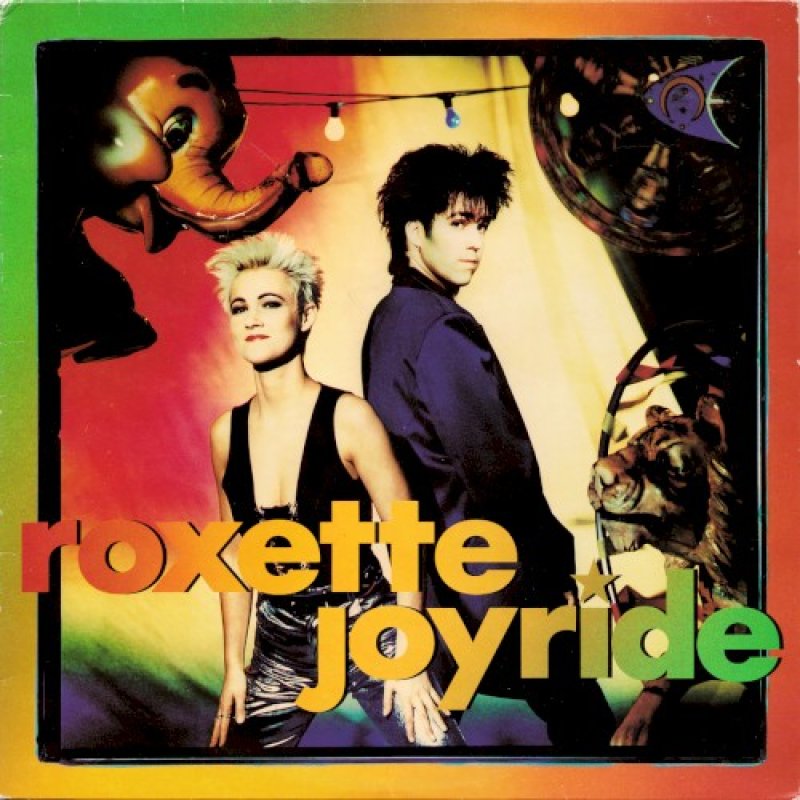
When one delves into Fading Like a Flower (Every Time You Leave), they encounter a rock ballad that, despite its melancholic title, possesses an driving energy. The track was recorded in 1990, during the sessions for the album Joyride, at EMI Studios in Stockholm. The composition is by Per Gessle, with production handled by Clarence Öfwerman. Musically, the song moves at a moderate tempo, around 105 beats per minute, and transitions from the key of F major to G major halfway through. The harmonic structure, with repeating progressions in the verses and choruses, gives it a distinctive character, while the bridge introduces a different sequence before returning to the base. The Spanish version, titled No Te Vayas, was later included on the 1996 compilation album Baladas en Español.
The release of Fading Like a Flower (Every Time You Leave) as the second single from Joyride, on April 29, 1991, solidified Roxette's success. In the United States, it became their fifth consecutive single to reach the Top 10, peaking at number two on the Billboard Hot 100 in August 1991. The song also resonated in twelve other countries, managing to enter the Top 10. The music video accompanying the track was filmed in Stockholm, featuring scenes from the Gamla stan area and the city's City Hall. Despite not surpassing the success of its predecessor, Joyride, this song remains Roxette's most far-reaching single on the Irish singles chart, reaching number four, and peaked at number 12 in the United Kingdom.
From album

Joyride
Roxette · 1991 · Track 3
Details
Credits
Lyrics Per Gessle
Music Per Gessle