The story behind
Cocaine Blues, according to DoReSol
The story behind Cocaine Blues is that of a song that has traveled through time, mutating and adapting, but always maintaining its raw essence. Originally, its structure was based on an old folk melody called Little Sadie, and it was Troy Junius Arnall who shaped it in the late 1940s. A well-known version from that era was Roy Hogsed's, released in 1947, which even made it onto the country music charts in 1948. This version tells the story of Willy Lee, a man who, under the influence of alcohol and cocaine, ends the life of his unfaithful partner. After fleeing to Mexico, where he makes a living playing music to support his addiction, he is finally captured and sentenced to ninety-nine years in San Quentin prison. The original lyrics are a direct warning: "Come on, addicts, listen to me, leave that whiskey and leave that cocaine."
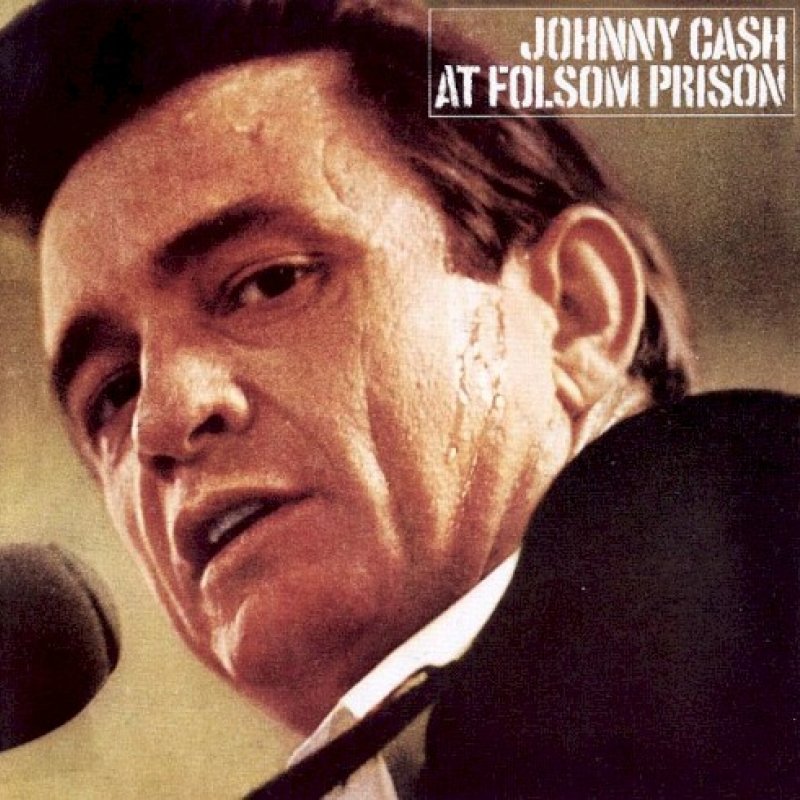
But it was in 1968, at Johnny Cash's legendary concert at Folsom Prison, where Cocaine Blues found one of its most impactful interpretations. Cash adapted the lyrics to that context, changing "San Quentin" to "Folsom" and modifying the initial warning to "Come on, you gotta listen to me...". He also included the phrase, quite bold at the time, "I can't forget the day I shot that poor bitch down." The recording from that night, released by Columbia Records, captured the intensity of the moment, with Cash occasionally coughing and commenting on how vocally challenging it was for him to perform the song. Interestingly, Cash had already recorded an earlier version for his 1960 album Now, There Was a Song!, titled Transfusion Blues, where he replaced the reference to cocaine with "a transfusion" and softened the stronger lyrics. Later, in 1979, he would re-record Cocaine Blues for the album Silver, this time omitting the word "bitch." His performance at Madison Square Garden in December 1969, with the original lyrics and the word "bitch," was recorded but not released until 2002. The iconic scene from the 2005 film Walk the Line, where Joaquin Phoenix portrays Cash singing this song at Folsom, also helped immortalize this version.
From album

At Folsom Prison
Johnny Cash · 1968 · Track 4
Details
Credits
Lyrics T.J. Arnall
Music T.J. Arnall