The story behind
Boulevard Of Broken Dreams, according to DoReSol
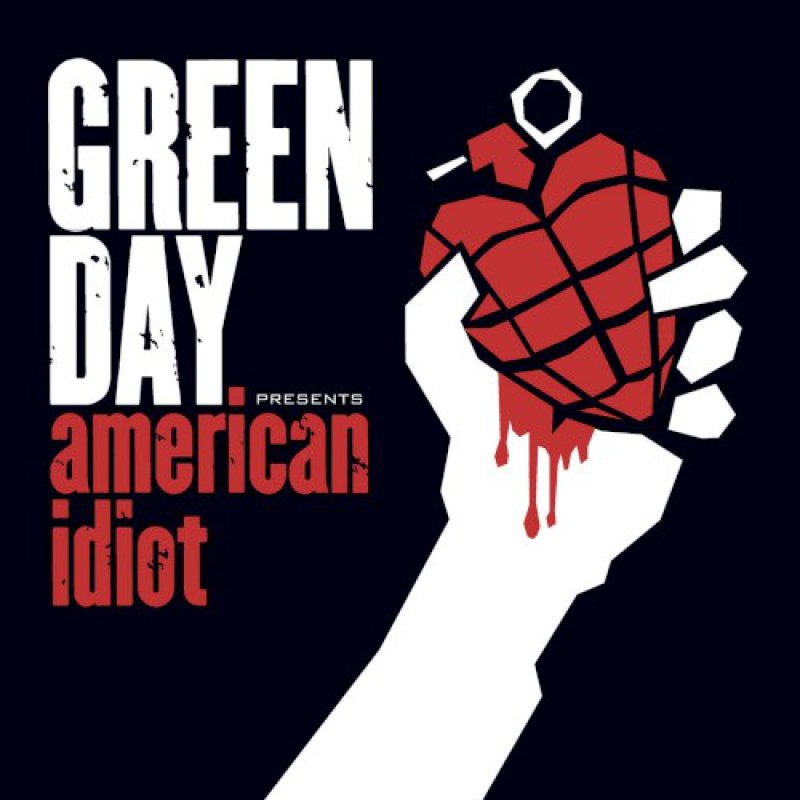
When you immerse yourself in *Boulevard Of Broken Dreams*, you encounter an atmosphere that immediately envelops you. It's a *power ballad* that, despite its melancholic tone, possesses an energy that propels you. The lyrics, written by Billie Joe Armstrong, take us through the perspective of the main character of the album *American Idiot*, a young man navigating loneliness and disillusionment. It's interesting to note how this song presents itself as the direct contrast to *Holiday*, the previous track on the album, which portrays a moment of euphoria. If *Holiday* is the party, *Boulevard Of Broken Dreams* would be the hangover, that feeling of being alone in the midst of everything. The music, composed by the band and produced by Rob Cavallo along with Green Day, is built on a foundation that feels familiar, sharing the chord progression of Oasis's *Wonderwall*, albeit with a development that becomes increasingly dissonant towards the end. The song's duration is four minutes and twenty-two seconds, and its intro seamlessly merges with the final note of the previous song.
The genesis of *Boulevard Of Broken Dreams* dates back to 2003, when Billie Joe Armstrong spent a few weeks in New York, renting a small space in the East Village with the idea of generating new musical ideas. It was there, in that urban solitude, that he conceived this song, seeking to find strength in that sense of isolation. Upon presenting a demo to Rob Cavallo, the producer perceived something distinct, something he felt the band hadn't explored before and intuited would be very well received. The final recording took place at Ocean Way Recording. The song's title, in fact, comes from a painting by Gottfried Helnwein that brings together figures like James Dean and Humphrey Bogart, and the name evokes the idea of their tragic endings. Released as the second single from *American Idiot* on November 29, 2004, the song became a notable success, reaching number two on the Billboard Hot 100 and selling millions of copies. In 2021, it was highlighted for being the only song to win both the Grammy Award for Record of the Year and the MTV Video Music Award for Video of the Year.
From album

American Idiot
Green Day
Details
Credits
Lyrics Billie Joe Armstrong
Music Green Day