The story behind
Ballad of Sir Frankie Crisp (Let It Roll), according to DoReSol
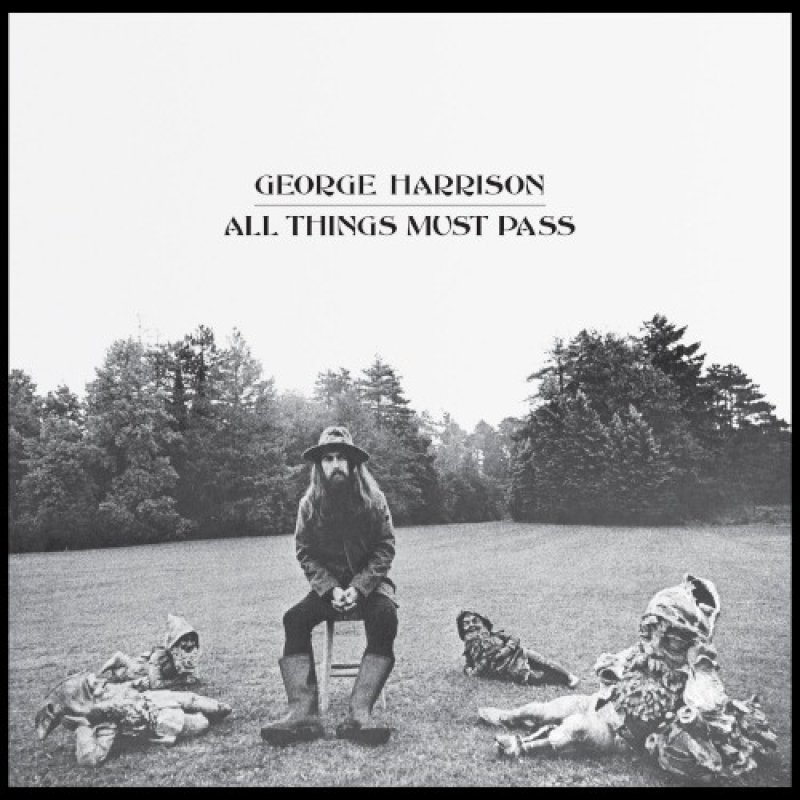
The Ballad of Sir Frankie Crisp (Let It Roll) transports us through the walls of George Harrison and his estate, Friar Park. Composed as a tribute to Frank Crisp, the 19th-century lawyer who was the first owner of this imposing Gothic residence in Henley-on-Thames, the song evokes a sonic tour of the house and its extensive grounds. It is said that the peculiar inscriptions and sayings of Crisp, which Harrison discovered all over the property, inspired other compositions of his, such as Ding Dong, Ding Dong and The Answer's at the End. The ethereal atmosphere of the recording, marked by the generous use of reverb by co-producer Phil Spector, contributes to that sense of an immersive journey.The story of Friar Park and its connection with George Harrison was consolidated with the cover of the album All Things Must Pass, recorded there.
This association endures even after his passing in November 2001. The song gained new relevance in 2009 when it gave its title to a posthumous compilation. Harrison, along with his wife Pattie Boyd, had been looking for a larger property since 1965, and in January 1970 he acquired Friar Park, a 120-room mansion. The house, built in 1898, had previously belonged to a religious order and was in a state of disrepair. Harrison described Crisp as a mix between Lewis Carroll and Walt Disney. The initial cleaning at Friar Park revealed vestiges of Crisp's era, such as engravings with witty phrases. The gardens, which covered about 10 hectares, were so overgrown with weeds that flamethrowers were used to clear some areas.
From album

All Things Must Pass
George Harrison · 1970 · Track 12
Details
Credits
Lyrics George Harrison
Music George Harrison