


Chords in progress
We have not analyzed this song audio yet. Once it is ready, you will see the chord player synced with the video.
The story behind
Babas del Diablo, according to DoReSol
Babas del Diablo starts with a sharp blow that sinks into the bass and gets tangled in a riff that seems to drag itself between dust and asphalt. It's not a track that invites you to move your feet; it's more like a nighttime stroll through streets where the humidity clings to the walls and the streetlights flicker as if they're about to go out. The voice of Indio Solari enters with that cadence we already know, but here it sounds as if he's telling a secret only those who walk at night understand. The bass draws lines that repeat, but they're not simple repetitions: there's a subtle misalignment, as if time stretches just enough for each note to sound on the verge of falling, yet never does.
It's that sense of unstable balance that makes the track never fully resolve, as if an echo always lingers after it ends.The song was born at a time when Solari and his band Los Fundamentalistas del Aire Acondicionado were exploring sounds that didn’t fit what they’d been doing. Recorded in 2014, it’s part of Pajaritos, bravos muchachitos, an album that didn’t aim to sound like its predecessors but rather as if someone had left the door ajar for the wind to come in. In the credits, Solari appears as El Fisgón Ciego, a nod that some say relates to that gaze that always seems to be seeing something others don’t.
What’s curious is that, although the album closes with a track reuniting three former members of Patricio Rey y sus Redonditos de Ricota —Semilla Bucciarelli, Sergio Dawi, and Walter Sidotti— Babas del Diablo isn’t among them. It’s as if the album saves that reunion for the end, while this track prefers to linger in its own shadow.The song didn’t win any awards, but it was part of the shortlist that took Pajaritos, bravos muchachitos to the Premios Gardel in 2014, in the category of best rock album. It wasn’t the best-selling record in Solari’s career, but it’s one of those albums amateur musicians often discover when searching for something that doesn’t sound like what’s already everywhere.
It has the perfect length —4 minutes and 5 seconds— to avoid tiring, yet enough to leave the riff spinning in your head hours after listening.
From album

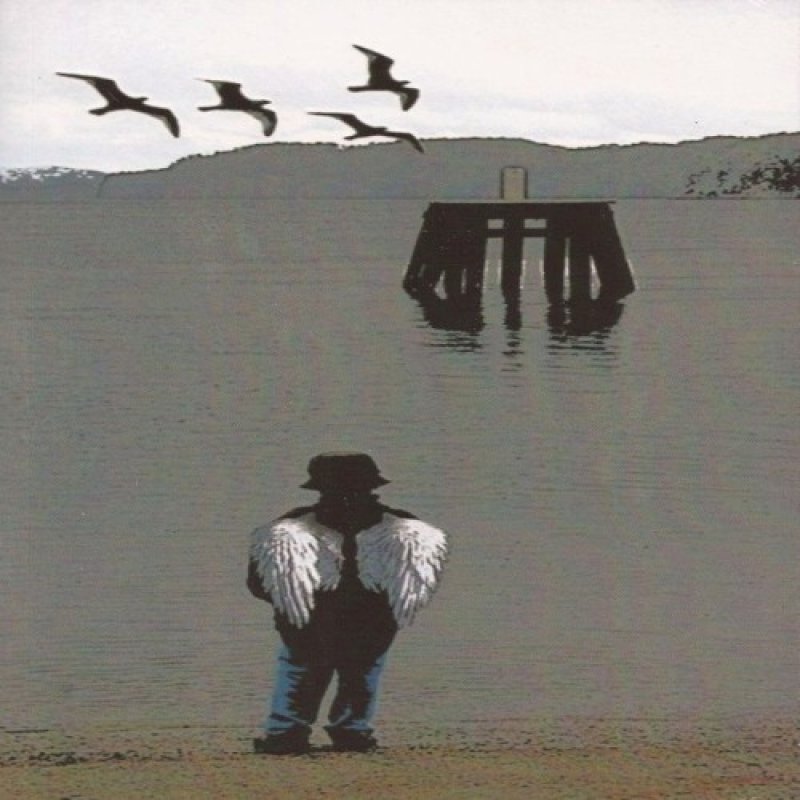
Pajaritos, bravos muchachitos
Indio Solari y Los Fundamentalistas del Aire Acondicionado · 2013 · Track 9
Details
If you like this, try
A los pájaros que cantan sobre las selvas de Internet
Indio Solari y Los Fundamentalistas del Aire Acondicionado · Pajaritos, bravos muchachitos
Beemedobleve
Indio Solari y Los Fundamentalistas del Aire Acondicionado · Pajaritos, bravos muchachitos
A la luz de la luna
Indio Solari y Los Fundamentalistas del Aire Acondicionado · Pajaritos, bravos muchachitos