The story behind
Baba O’Riley, according to DoReSol
The energy that Baba O’Riley radiates from its first seconds is unmistakable. That electronic pulse, generated by a Lowrey Berkshire Deluxe organ, is not a simple accompaniment; it is the foundation upon which the entire piece is built. Pete Townshend, the main composer of The Who, conceived this sequence of notes inspired by the idea of translating the vital signs of a spiritual master, Meher Baba, into music. Unable to fully realize this vision, he resorted to the organ's repeat function to create that hypnotic pattern that repeats and evolves. The lyrics, for their part, evoke powerful images, such as the desolation of young people at massive festivals, an idea that arose after observing the amount of waste left by attendees at the 1969 Isle of Wight Festival. This duality between sonic experimentation and social observation is what gives Baba O’Riley its distinctive character.
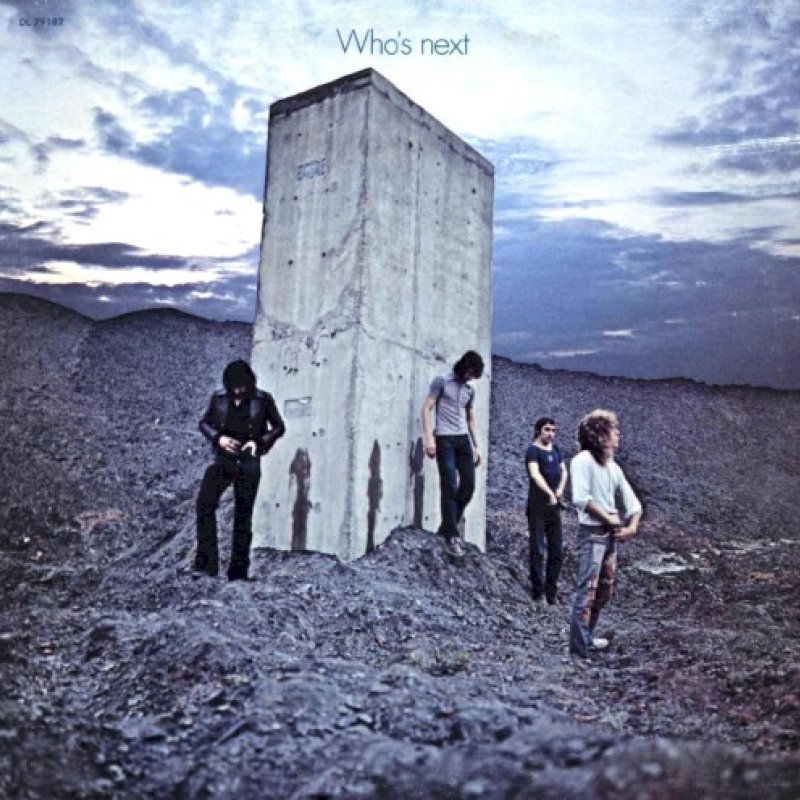
This song, which opens the 1971 album Who's Next, was born from a more ambitious project by Townshend called Lifehouse. When that rock opera did not materialize, several of its compositions, including Baba O’Riley, were adapted and recorded for The Who's new album. The recording took place in May 1971 at Olympic Studios in London, with Glyn Johns as recording engineer and producer. The version we hear is an edit of an original nine-minute demo, condensed to its most impactful moments. It was released as a single in Europe in October 1971, backed by My Wife. Although in the United Kingdom and the United States it initially appeared only on the album, its popularity made it a staple of classic rock radio and one of the band's most recognized songs.
From album

Who’s Next
The Who · 1971 · Track 1
Details
Credits
Lyrics Pete Townshend
Music Pete Townshend