The story behind
A Rose for Emily, according to DoReSol
The story of "A Rose for Emily" begins with an idea that Rod Argent felt he had to capture. He himself recalls conceiving it while living with his parents, with that inner need to compose. For him, it was one of those creations that seemed to emerge from nowhere, where the words flowed almost on their own. The recording of this piece took place after The Zombies signed with CBS, who gave them creative freedom.
The process of recording the instrumental base for "A Rose for Emily" took place on June 1, 1967, at EMI Studios in London. It was part of the same session where they also recorded their first single for CBS, "Friends of Mine". Interestingly, this happened shortly after The Beatles finished recording Sgt. Pepper's Lonely Hearts Club Band in the same place. The final touches to the song were completed on July 10, 1967. In the initial mixes, a cello was included but was removed because, according to bassist Chris White, it sounded too "Disney". The final result, lasting 2:19, is a piece classified within the chamber pop genre.
Musically, "A Rose for Emily" is described as a ballad with an elegant and melancholic piano figure, inspired by classical music. The piano, played by Argent, is the only instrument accompanying the lead vocals of Colin Blunstone, who is backed by Argent and Chris White on backing vocals. The way the backing vocals intertwine with Blunstone's voice, offering one of his most notable performances, is considered extraordinary. The manner in which Argent plays the piano, with an apparent simplicity that evokes an almost beginner-like style, seems to enhance the theme of the lyrics: life in an English town, with elderly ladies living in their own comfortable solitude, rose gardens, and missed opportunities.
The lyrics of the song focus on a lonely spinster. While it shares its title with a short story by William Faulkner about a woman of that kind, there is no consensus on a direct connection. Some critics see a clear adaptation of the tale, while others find no relation between the lyrics and the literary work. However, the theme of the protagonist's "otherness", her isolation, the feeling of wasted opportunities, her frustration, and her pride are aspects highlighted in the composition.
From album

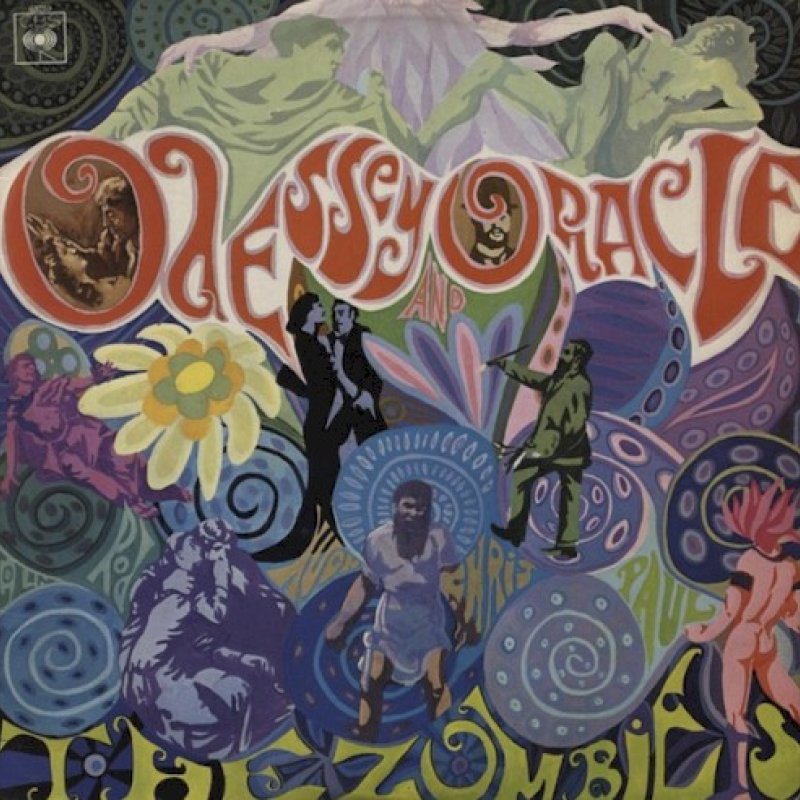
Odessey and Oracle
The Zombies · 1968 · Track 2
Details