The story behind
19 días y 500 noches, according to DoReSol
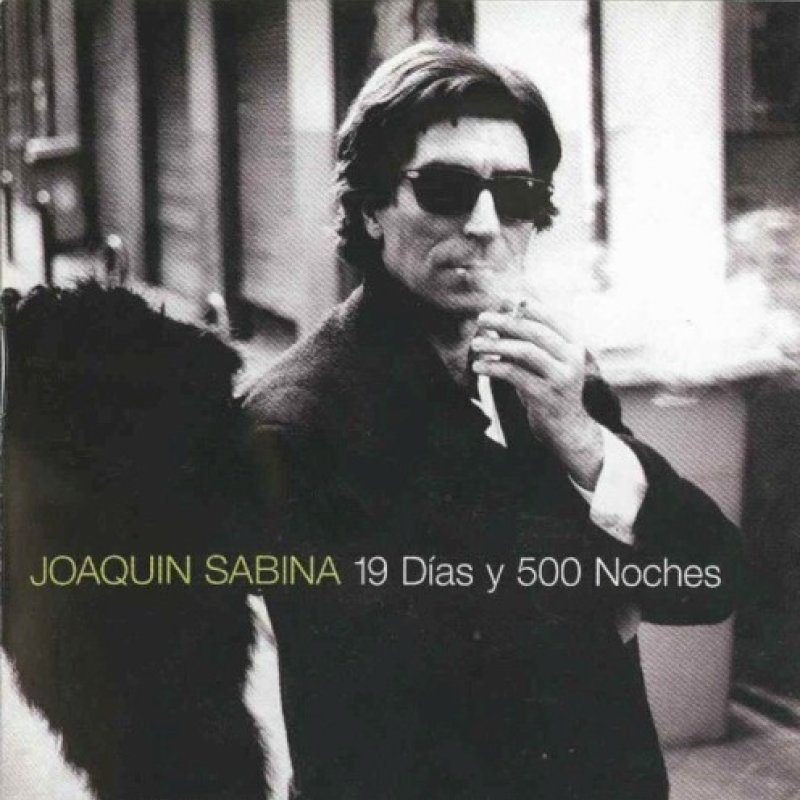
When Joaquín Sabina set out to release 19 days and 500 nights, he faced a challenge: the record label did not look favorably upon a double album due to its cost and because the Hispanic market was not accustomed to such extensive formats. Despite this, the Spanish singer-songwriter agreed to adjust the content, and the songs that were left out ended up seeing the light of day in another way. The recording of this work, which spanned seven months, culminated in an album that, until that moment, was the longest of his career, with a total duration of 74:18 minutes. The official release was on September 6, 1999, and the presentation took place the following day in a venue as unique as the Madrid Railway Museum.
This album, the twelfth in Joaquín Sabina's discography, became a sales success, exceeding 500,000 copies. Behind the production was Alejo Stivel, who was part of the band Tequila, and the editing was handled by BMG Music Spain. The sound mixing was done by Brett Rader, while the overall production involved the collaboration of Enrique Berro García and the aforementioned Alejo Stivel. Joaquín Sabina, born in Úbeda, Jaén, in 1949, is known for his prolific career which includes fourteen studio albums, several live and compilation albums, as well as collaborations with artists such as Ana Belén or Miguel Ríos. His career also includes the publication of books with lyrics and poems, some of which appeared in the magazine Interviú.
From album

19 días y 500 noches
Joaquín Sabina · 1999 · Track 2
Details
Credits
Lyrics Joaquín Sabina
Music Joaquín Sabina