


🇵🇷 PR · Puerto Rico · Chapter 2 of 5
The Bolero and the Great Composers: The Song that Spoke for Latin America (1920–1960)
At the beginning of the 20th century, Puerto Rico had a simultaneous problem and solution. The problem was poverty: the island had passed from the Spanish colony to the American colony in 1898, and the promises of the new regime were taking a long time to fulfill for most of the population. The solution — or at least some consolation — was music.

From the tension between material precariousness and cultural richness, a generation of composers emerged that produced some of the most beautiful songs in Latin American popular repertoire of the 20th century: boleros, guarachas, dances, songs that traveled throughout the continent sung by artists from Mexico, Cuba, Argentina and Colombia, who found exactly what they needed — love, nostalgia, homeland, pain — expressed with precision that poets rarely achieve.
The greatest among them was called Rafael Hernández Marín.
Rafael Hernández: El Jibarito that Wrote for the World
Rafael Hernández Marín was born on October 24, 1891 in Aguadilla, Puerto Rico, in the midst of a humble family with musical sensitivity. As a child he learned to play several instruments — guitar, trombone, bombardino — and from adolescence he participated in the musical groups of his hometown.
He served in the American army during World War I as a musician in the band — an experience that took him to France and that expanded his musical world in ways Aguadilla could not have given him. Upon returning, he settled in New York, where the Puerto Rican community was growing and where the demand for Latin music was constant. There he founded the Trío Borinquen and began recording the songs that would make him famous.
The musical work of Rafael Hernández spans practically all music genres, counting over 2,000 compositions, among which are Lamento Borincano, Silencio, Ausencia, Perfume de gardenias, Campanitas de cristal, Preciosa and El cumbanchero.
Each of those songs has its story. In December of 1929, while enjoying a group of bohemian friends, in a nostalgic moment, he composed his masterpiece "Lamento Borincano", where he captured the despair in which his homeland found itself after having been devastated by Hurricane San Felipe and that was the beginning of the Great Depression in which the island was plunged.
"Lamento Borincano" — the song of the jíbaro who goes to the market with his load of illusion and returns with a shattered soul because no one buys, because the country is in misery — is the most important song Puerto Rico has produced. Not as an explicit political statement, but as a portrait of the human condition under economic oppression: the man who works and cannot sustain himself, the family that waits and does not receive, hope that turns into resignation.
Borincan Lament has been adopted by Latin America as a reflection of a similar situation experienced in each country. It represents the struggles of the Puerto Rican jíbaro to survive, the archetype of a hero with whom the Puerto Rican people have identified, which can be interpreted as a representation of Puerto Rico's own struggle for national identity.
"Preciosa" — composed in 1937 — was his love declaration to Puerto Rico and simultaneously his denouncement of colonialism: "Preciosa they call you, the waves of the sea that bathe you / Preciosa for being a charm, for being an Eden / Preciosa they call you, the brave songs of the Indian / Who weeps for his extinct race with a cruel whip." The verse "no matter how the tyrant treats you with black malice" was, according to scholars of his work, a direct reference to American domination.
"El Cumbanchero" — the lullaby turned into a rumba — came to him one night while he was rocking his son Rafael to sleep. After putting the child to bed, he sat at the piano with that melody swirling in his mind. It has surpassed a million performances and is his most internationally recognized song.
When the Mexican composer Agustín Lara — the other great composer of boleros of the 20th century in Spanish — received the question of exactly what a bolero was, he answered: "If you want to know what a bolero is, listen to 'Campanitas de cristal' by Rafael Hernández." It was the highest possible praise: the Mexican master recognizing the Puerto Rican master as the definition of the genre.
The president John F. Kennedy received him at the White House and greeted him by saying: "How's it going, Mr. Cumbanchero?" It was the measure of his fame: a Puerto Rican song so well known that the president of the United States recognized it immediately.
Daniel Santos: El Guarachero del Barrio
If Rafael Hernández was the poet of the bolero, Daniel Santos — "El Inquieto Anacobero" — was his carnival counterpart: the singer who took the bolero and the guaracha and turned them into celebration, into the street, into the irreverent joy of the neighborhood that has nothing and celebrates everything.
Daniel Santos Betancourt was born in Santurce, Puerto Rico, in 1916. His life was as colorful as his songs: multiple marriages, legal problems in several countries, voluntary and involuntary exiles throughout Latin America. He lived in Mexico, in Colombia, in Venezuela, in Panama — in each country he found a public that loved him and a situation that forced him to leave.
His voice was a warm baritone, with a naturalness in phrasing that made each bolero sound as if he were inventing it at that very moment. He recorded with the best orchestras of the era — the Sonora Matancera, the Conjunto Casino — and had hits in genres as different as the bolero, the guaracha, the mambo and the tango.
Her most remembered songs — "Virgen de media noche", "Dos gardenias", "El pescador" — are the sound document of a life lived without restrictions, with the humor of someone who knows that seriousness is always an option but rarely the most interesting.
Bobby Capó: El Amor sin Fronteras
Félix Manuel Rodríguez CapóBobby Capó — was born in Coamo, Puerto Rico, in 1922. His most famous bolero"Piel canela" (1953) — is possibly the most beautiful love declaration Puerto Rico has given to the Latin American song repertoire: "Que se quede el infinito sin estrellas / o que pierda el ancho mar su inmensidad / pero el Negro de tus ojos que no muera / y el canela de tu piel que no se vaya."
"Piel canela" crossed all genres and all generations: it was bolero, it was cumbia, it was merengue, it was salsa. It was sung by Eydie Gormé, Plácido Domingo, Marc Anthony, Celia Cruz. It is the song that has produced the most versions of Puerto Rican bolero after the great works of Rafael Hernández.
Sylvia Rexach: The Female Voice of the Bolero
The history of Puerto Rican bolero is also, in part, the history of its female voices — and none is more important than Sylvia Rexach (1922-1961), the composer and interpreter who wrote from the perspective of a woman who loves with the same intensity with which she suffers.
Her boleros — "Ven", "Alma adentro", "El que se fue" — have an emotional depth that male bolero rarely achieved: vulnerability without sentimentality, love without idealization, loss without resignation. She died at thirty-eight, too young to see the recognition her work would receive in the decades that followed.
The Bolero as a Way of Life
What Puerto Rican — and Caribbean in general — bolero produced in the 20th century was something that transcended the category of "musical genre": it was a way of articulating the most fundamental emotions of Latin American everyday life with a precision and beauty that no other genre had achieved in that language and during that period.
People did not listen to boleros for entertainment. They listened to them to understand themselves: to find in the words of Rafael Hernández or Bobby Capó the exact description of what they felt but did not know how to say. That function — the song as a mirror of inner experience — is the most enduring legacy of Puerto Rican bolero.
Editor's note: Rafael Hernández composed "Lamento Borincano" on a night of bohemian revelry in 1929, while Puerto Rico was recovering from Hurricane San Felipe and entering the Great Depression. He wrote it to describe the misery of his people — and the people of all Latin America adopted it because it also described their own. That is what makes a song endure: not formal perfection but the ability to say something that millions of people feel but cannot articulate. Rafael Hernández expressed it better than anyone, over forty years, in more than 2,000 songs. Very few people in the history of popular music have been as consistently necessary.
10 · 3 en DoReSol
Top 10 of the Bolero and the Great Puerto Rican Composers
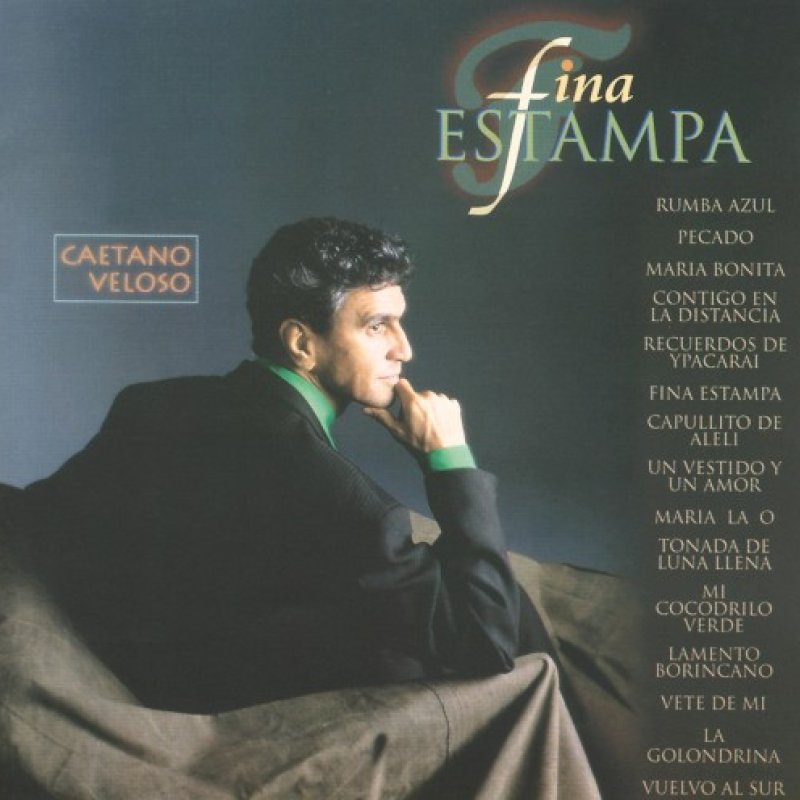
Lamento Borincano
Caetano Veloso · 1994
The most important song Puerto Rico has produced. The misery of the jíbaro turned into a Latin American anthem. Adopted by every country in the continent as a mirror of its own situation.
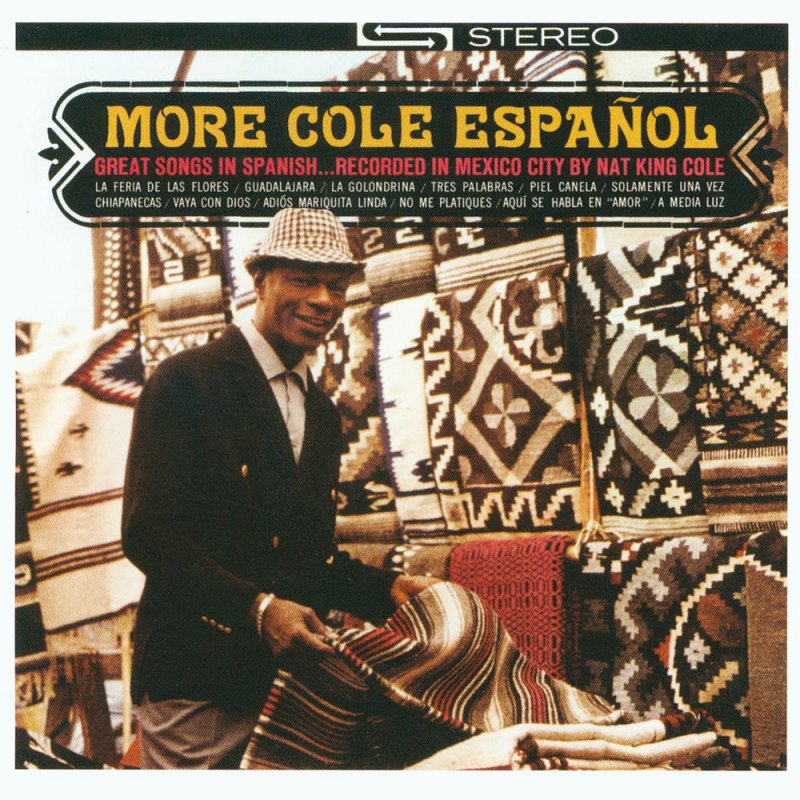
Piel canela
Nat King Cole · 1962
The most beautiful love declaration of the Puerto Rican bolero. Performed by Eydie Gormé, Plácido Domingo, Marc Anthony, Celia Cruz. The song that proved love can be described with the precision of a poet without losing the warmth of the street.
Preciosa
Rafael Hernández · 1937
Love for Puerto Rico and the denunciation of colonialism in the same song. The verse about the tyrant of black evil as veiled cultural resistance. The sentimental anthem of Puerto Rican identity.
El Cumbanchero
Rafael Hernández · 1943
The lullaby turned into a rumba. The most internationally played song by Hernández — more than a million versions. The president Kennedy greeting him as "Mr. Cumbanchero."
Campanitas de cristal
Rafael Hernández · 1930s
The definition of bolero according to Agustín Lara. The song that the Big Ben of London broadcast in 1976. The bolero in its purest and most perfect form according to the greatest Mexican composer of the genre.
Virgen de media noche
Daniel Santos · 1940s
The Restless Anacobero in his most romantic version. Santos showing that the guarachero could also be the most delicate interpreter of the bolero when the song demanded it.
Alma adentro
Sylvia Rexach · 1950s
The female voice of the Puerto Rican bolero at its most profound moment. Vulnerability without sentimentality, love from within. The composer who died too young and who Puerto Rico took decades to fully recognize.
Perfume de gardenias
Rafael Hernández · 1940s
The sensual romantic bolero of Hernández in its most sensory version. The melody that turns the sense of smell into emotion — the gardenia as a metaphor for love remembered by the body before the mind.
Silencio
Rafael Hernández · 1932
The song about the mother's death composed while Hernandez was away from Puerto Rico. The silence of the cemetery turned into a melody that anyone who has lost someone recognizes immediately.
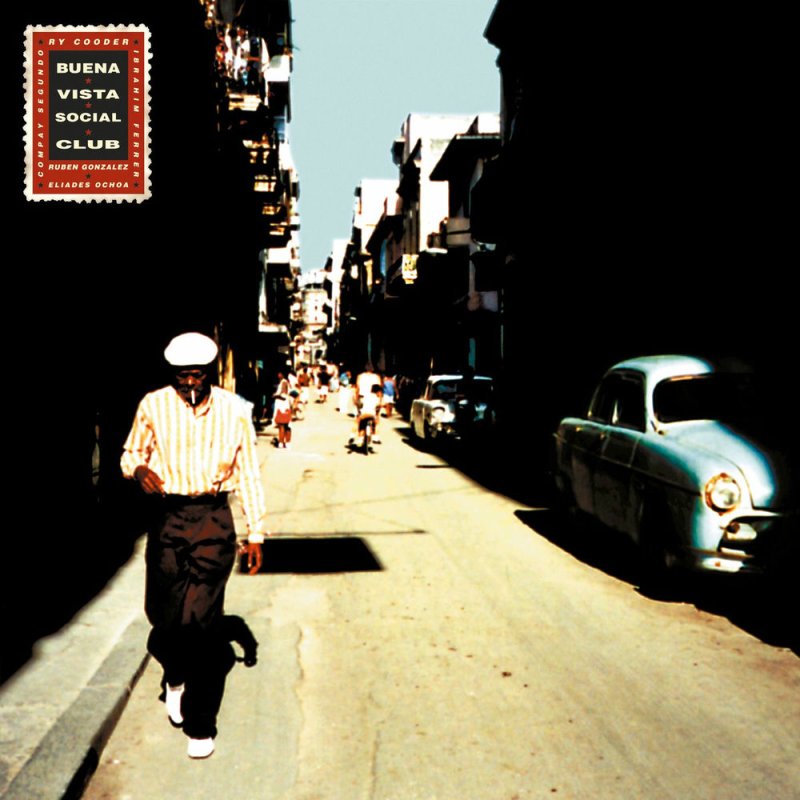
Dos gardenias
Buena Vista Social Club · 1997
The most popular bolero in Santos' catalog. The gardenia as a symbol of eternal love — the same flower that Hernandez used in "Perfume de gardenias," the same Puerto Rico producing two versions of the same symbol.
The full series
Puerto Rico
Boricua salsa, plena, bomba, reggaeton. The small island with the biggest footprint.
-
CAP 01
🇵🇷 Ch 01
The Roots: The Island Where Africa, Spain and the Caribbean Met (16th–20th Centuries)
Puerto Rico has an area of 9,104 square kilometers — less than the
-
CAP 02 you are here
🇵🇷 Ch 02
The Bolero and the Great Composers: The Song that Spoke for Latin America (1920–1960)
At the beginning of the 20th century, Puerto Rico had a simultaneous problem and solution. The problem was poverty: the island had passed from the Spanish colony to the American co
-
CAP 03
🇵🇷 Ch 03
The Salsa Boricua: The Sound Born in the Neighborhood and Conquered the World (1965–1990)
In the 1960s, Spanish Harlem and South Bronx in New York were the most densely Puerto Rican neighborhoods outside the island: apartment blocks overcrowded with people, streets with
-
CAP 04
🇵🇷 Ch 04
The Pop Global: The Island That Conquered the World (1977–2000)
At the end of the 1970s, Puerto Rico already had decades of extraordinary musical history: bomba, plena, Rafael Hernández's bolero, Lavoe and Colón's salsa. However, all that music
-
CAP 05
🇵🇷 Ch 05
The Reggaeton and the 21st Century: The Neighborhood that Conquered the World (1990–present)
At the beginning of the nineties, in the villages and neighborhoods of San Juan — Loíza, Villa del Rey, Santurce — circulated handmade cassettes that radios wouldn't play, parents
You might also like
3 articles picked by editorial similarity


