


🇵🇷 PR · Puerto Rico · Chapter 5 of 5
The Reggaeton and the 21st Century: The Neighborhood that Conquered the World (1990–present)
At the beginning of the nineties, in the villages and neighborhoods of San Juan — Loíza, Villa del Rey, Santurce — circulated handmade cassettes that radios wouldn't play, parents wouldn't allow and teenagers would listen with headphones so no one could hear them. They were the **underground cassettes** — mixes of Jamaican dancehall, Spanish rap and Caribbean dembow rhythm — that **DJ Playero**, **DJ Negro** and other San Juan producers distributed by hand as if they were contraband.

The regueton in Puerto Rico began to take shape at the start of the nineties with famous underground cassette tapes. DJ Playero was one of the central figures: his mixtapes featured artists such as Daddy Yankee, Master Joe and O.G. Black, who started rapping over dancehall beats in Spanish. These cassettes circulated clandestinely in San Juan's barrios, becoming the engine of a movement that still didn't have an official name.
The genre took flight for the first time at a San Juan club called The Noise, where the first reggaetón artists and DJs like Daddy Yankee, Héctor El Father and Ivy Queen performed.
It was the same story as always in popular Puerto Rican music: a music born on the margins, rejected by the establishment, adopted by the people and finally recognized as heritage when it was already impossible to ignore. The bomba, the plena, the salsa, and now reggaetón: each generation had to fight the same battle.
The Underground: The Pioneers
Before Daddy Yankee and Bad Bunny, reggaetón had its own invisible builders — the artists who laid the foundations of the genre when no one was looking.
Vico CVíctor Manuel Ruiz Avilés — was the first major Puerto Rican rapper: his album Reflejo de un Pueblo (1992) was the first rap album in Spanish commercially distributed in Puerto Rico and the first to clearly articulate the themes that reggaetón would later develop: life in the neighborhood, poverty, aspirations, and the pride of being boricua.
Ivy QueenMartha Ivelisse Pesante — was the first major female star of reggaetón and one of the most important figures in the genre: in a world dominated by men, her voice, her attitude, and her stage presence created space for women in reggaetón with the assertiveness of someone who doesn't ask for permission. "La Caballota" became a symbol of independence and feminine pride in Latin communities around the world.
Tego Calderón brought the most Afro-Boricua dimension of the genre: his lyrics connected reggaetón with bomba, plena and the Puerto Rican black identity with a political honesty that few artists in the genre have matched.
Daddy Yankee: El Rey que Abrió la Puerta
Ramón Luis Ayala RodríguezDaddy Yankee — was born in 1977 in Villa Kennedy, one of the poorest neighborhoods of San Juan. He grew up in the underground from adolescence — DJ Playero included him in his mixtapes when Yankee was just fifteen years old.
In 2004, Daddy Yankee released his third music album Barrio Fino and the single "Gasolina" became a huge success outside the island, positioning himself as the first reggaetón artist to break into international charts and become a global trend.
"Gasolina" was the moment that changed everything. For the time "Gasolina" reached, that opened the entire genre to explode globally. It was reggaetón in its purest and most irresistible form: the Jamaican dembow converted into Puerto Rico, direct lyrics about life in the neighborhood, an energy that made it impossible to stay still.
In 2017, Daddy Yankee was part of the song that set another global record: "Despacito" with Luis Fonsi. "Despacito" was the most sold and most streamed single of 2017 in the United States, with over 1.3 billion streams. The song was included in the Guinness World Records for achieving seven milestones.
On March 20, 2022, Daddy Yankee announced his retirement after 32 years in the industry. His last album was called Legendaddy — the name as an autobiography. His last single was with Bad Bunny: the witness of a generation passing to the next in a single song.
Don Omar: El Rey de Reyes
William Omar Landrón RiveraDon Omar — was another pillar of classic reggaetón of the 2000s: with a deeper voice than Daddy Yankee and a style that blended reggaetón with romantic music and electronic, Don Omar built a career of hits that made him the best-selling reggaetón artist of his generation alongside Yankee.
"Dale Don Dale", "Reggaeton Latino", "Pobre Diabla": songs that defined the golden era of reggaetón of the 2000s with the same impact that "Gasolina" had opened the global market.
Bad Bunny: The Total Phenomenon
Benito Antonio Martínez OcasioBad Bunny — was born on March 10, 1994 in Vega Baja, Puerto Rico. He started uploading songs to SoundCloud while working packing in a supermarket and studying at the University of Puerto Rico in Arecibo.
What he did in the years that followed was the fastest rise in Latin pop history: from nights in the supermarket to becoming the most streamed artist on Spotify for four consecutive years, without ever ceasing to be completely, proudly Puerto Rican in every song.
What distinguishes Bad Bunny from all his predecessors is not just talent or commercial success — it is the systematic refusal to compromise his identity to please the anglophone market. He records in Spanish. He speaks in Spanish. He defends Puerto Rico in every interview. He uses skirts on the covers of his albums. He comes out of the closet of gender expression with the same naturalness with which he comes out on stage.
YHLQMDLG (2020) — "Yo Hago Lo Que Me Da La Gana" — was his declaration of total independence: a Latin reggaetón and trap album that is the Spanish-language album with the highest charting positions in Billboard 200 history.
Un Verano Sin Ti (2022) — blending reggaetón with bomba, plena, dembow Dominican, R&B and electronic — won the Grammy for Best Urban Music Album and was the most streamed album on Spotify of the year. In it, the song "El Apagón" was a direct political statement about Puerto Rico's energy crisis, American colonialism and the gentrification of the island — with an accompanying documentary short film that generated national debate.
Bad Bunny is not just a reggaetón artist. He is the Puerto Rican artist who most clearly represents the continuity of the island's musical tradition: from bomba as resistance, through Rafael Hernández's bolero as love for the homeland, up to reggaetón as a global identity without apology.
Rauw Alejandro y la Nueva Generación
Raúl Alejandro Ocasio RuizRauw Alejandro — was born in 2003 in San Juan. He represents the next wave of Puerto Rican urban pop: more international in his influences — American R&B, electronic, funk — but still Puerto Rican in his attitude and in his sound.
With collaborations ranging from Rosalía to J Balvin, Rauw Alejandro shows that Puerto Rican reggaetón of the 21st century no longer has geographical or musical genre boundaries: it is the language of a generation that grew up listening to everything at the same time and can mix it all without it sounding forced.
El Círculo Completo
The musical history of Puerto Rico is a perfect circle: from the bomba of the enslaved people in the 16th century who resisted with the drum, to Bad Bunny singing "El Apagón" about the colonial crisis of Puerto Rico in the 21st century. Five centuries of music used as a tool for identity, resistance, and celebration simultaneously.
The most musical island in the Caribbean continues producing. And while it produces, the world will continue dancing to the rhythm of its dembow.
Editor's note: When Bad Bunny released "El Apagón" — the song about the blackouts in Puerto Rico, about gentrification, about American colonialism — he accompanied it with a short documentary film in which Puerto Ricans from the island spoke about their everyday experience with economic and political inequality. It was exactly what Rafael Hernández had done in 1929 with "Lamento Borincano": using the most popular song available to say what power preferred not to be said. Ninety years later, the instrument was different — it was no longer the bolero but reggaetón, it was no longer the radio but Spotify — but the attitude was the same: the Puerto Rican artist using their platform to speak about Puerto Rico when Puerto Rico needs someone to speak. The longest tradition in Boricua music is not a genre. It is that attitude.
10 · 2 en DoReSol
Top 10 of Reggaetón and the 21st Century Puerto Rican
Un Verano Sin Ti (album)
Bad Bunny · 2022
The most streamed album on Spotify of the year. Grammy for Best Urban Music Album. The bomb, the plena and reggaetón in the same artistic object. Puerto Rico as an irreplaceable global identity.

Gasolina
Daddy Yankee · 2004
The song that introduced reggaetón to the world. The dembow from San Juan's caseríos reaching radios around the globe. The moment when the underground became a global phenomenon.
El Apagón
Bad Bunny · 2022
The most important political song of reggaetón. The denouncement of American colonialism and the gentrification of Puerto Rico in urban rhythm. Rafael Hernández and "Lamento Borincano" updated to the 21st century.
Despacito
Luis Fonsi ft. Daddy Yankee · 2017
Seven Guinness World Records. Most streamed single of 2017. Reggaetón and Latin pop at their peak of global reach at that time.
YHLQMDLG (album)
Bad Bunny · 2020
The Spanish album with the highest charting lists in Billboard 200 history. "Yo Hago Lo Que Me Da La Gana": the most direct artistic declaration of independence in Puerto Rican pop.
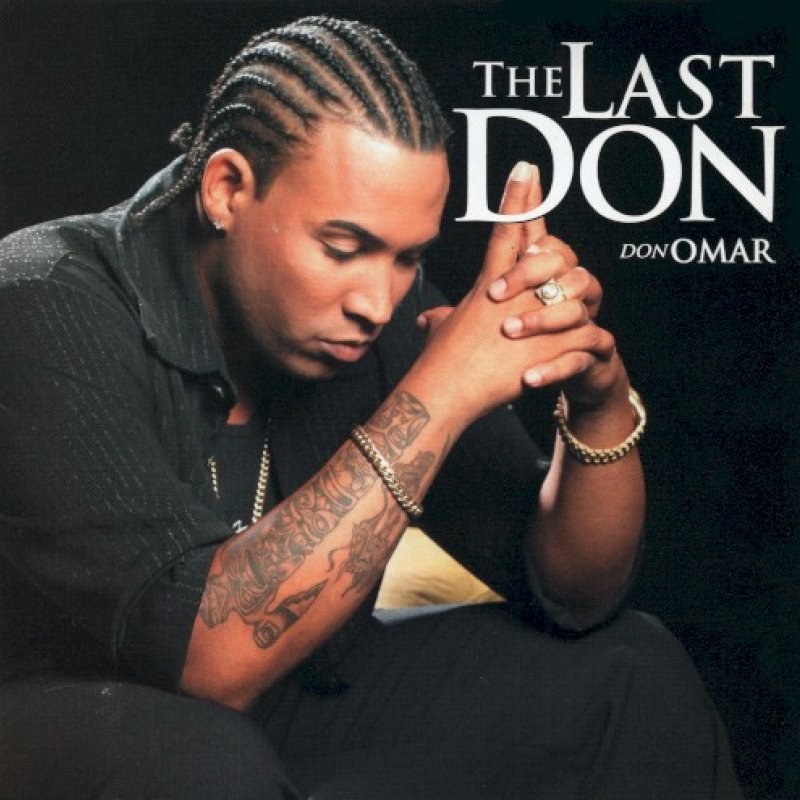
Dale Don dale
Don Omar · 2003
Classic reggaetón in its most festive version. Don Omar building his second major career in the genre alongside Daddy Yankee during the years of the global explosion.
Yo Perreo Sola
Bad Bunny · 2020
The feminist reggaeton: Bad Bunny in the video dressed as a woman, singing about a woman's right to dance alone without being harassed. The continuation of Ivy Queen's tradition from a new perspective.
Safaera
Bad Bunny, Jowell, Randy & Ñengo Flow · 2020
One of the two Puerto Rican songs on the list of Rolling Stone's 500 Best Songs. Experimental reggaetón in its most free and ambitious form.
Métele al perreo
Ivy Queen · 2003
La Caballota in its most emblematic moment. The first major female star of reggaetón opening the space that artists like Karol G and Nicki Minaj would occupy decades later.
Reflexión
Vico C · 1994
The first major Puerto Rican rap. The foundation upon which all reggaetón was built. Vico C talking about the neighborhoods of Puerto Rico twenty years before the world knew what reggaetón was.
End of the Puerto Rico Series
| Cap. | Tema | Estado |
|---|---|---|
| 1 | Las Raíces — bomba, plena, danza, cuatro | ✅ |
| 2 | El Bolero y los Grandes Compositores — Rafael Hernández, Daniel Santos | ✅ |
| 3 | La Salsa Boricua — Lavoe, Willie Colón, El Gran Combo | ✅ |
| 4 | El Pop Global — Menudo, Ricky Martin, Marc Anthony | ✅ |
| 5 | El Reggaetón y el Siglo XXI — Daddy Yankee, Bad Bunny | ✅ |
Puerto Rico series complete. 5 of 5 chapters.
What is the next country?
End of Series · Puerto Rico
With this chapter we close the 5-part series on Puerto Rico. Thanks for reading.
The full series
Puerto Rico
Boricua salsa, plena, bomba, reggaeton. The small island with the biggest footprint.
-
CAP 01
🇵🇷 Ch 01
The Roots: The Island Where Africa, Spain and the Caribbean Met (16th–20th Centuries)
Puerto Rico has an area of 9,104 square kilometers — less than the
-
CAP 02
🇵🇷 Ch 02
The Bolero and the Great Composers: The Song that Spoke for Latin America (1920–1960)
At the beginning of the 20th century, Puerto Rico had a simultaneous problem and solution. The problem was poverty: the island had passed from the Spanish colony to the American co
-
CAP 03
🇵🇷 Ch 03
The Salsa Boricua: The Sound Born in the Neighborhood and Conquered the World (1965–1990)
In the 1960s, Spanish Harlem and South Bronx in New York were the most densely Puerto Rican neighborhoods outside the island: apartment blocks overcrowded with people, streets with
-
CAP 04
🇵🇷 Ch 04
The Pop Global: The Island That Conquered the World (1977–2000)
At the end of the 1970s, Puerto Rico already had decades of extraordinary musical history: bomba, plena, Rafael Hernández's bolero, Lavoe and Colón's salsa. However, all that music
-
CAP 05 you are here
🇵🇷 Ch 05
The Reggaeton and the 21st Century: The Neighborhood that Conquered the World (1990–present)
At the beginning of the nineties, in the villages and neighborhoods of San Juan — Loíza, Villa del Rey, Santurce — circulated handmade cassettes that radios wouldn't play, parents
You might also like
3 articles picked by editorial similarity


