


🇺🇸 US · United States · Chapter 1 of 8
The Blues: The Music That Made Everything Else Possible (1865–1960)
In 1865, the Thirteenth Amendment to the United States Constitution abolished

It is precisely between 1865 and 1900 in this region of the United States that the blues appears, especially in the area known as the Mississippi Delta, a rural area of cotton fields, brutal poverty, and racial segregation.
The blues was not a sentimental response to that situation. It was something more complex and more powerful: the invention of a completely new musical language, built with the materials that African culture had brought to America and that slavery had not been able to destroy, combined with the metric and harmonic forms that the slaves had absorbed from the Anglo-Saxon culture that surrounded them. The result was music that did not exist anywhere else in the world — specifically American, specifically black, specifically arising from the experience of living under an oppression that had no visible end.
That music became the foundation of almost everything that 20th-century popular music produced: rock and roll, jazz, soul, R&B, hip-hop. Without the blues, none of those genres would have existed in the way we know them. The blues served as a cornerstone for the development of rock and roll, jazz, and R&B.
The Roots: What Came from Africa
The African slaves who were brought to the United States carried with them their rhythms, melodies, and traditional songs. These elements formed the foundation of the blues, combining with influences from American folk music.
The specific traditions that survived the Atlantic crossing and found their way into the blues are numerous. Work songs — songs sung while performing forced labor in the cotton fields — had a practical function and a specific structure: a leader sang a phrase, the others responded, the rhythm marked the body's movement during work. That call and response structure is one of the most identifiable elements of the blues and comes directly from the African oral tradition.
Spirituals — the religious songs that slaves developed in the evangelical churches of the South, blending Anglo-Saxon Protestant theology with African musical traditions — contributed the emotional depth and the ability to speak of suffering in terms of hope that the blues would take to its most secular extreme. The difference between a spiritual and a blues is not one of emotion but of audience: the spiritual speaks to God, the blues speaks to the world.
The central instrument of the blues — the guitar — was not African. It arrived with the Europeans. But the way bluesmen played it was completely new: slide guitar, or bottleneck guitar, where a sliding object across the strings produces a sound that mimics the human voice with a closeness that no other instrumental technique achieves — it is the Africanization of a European instrument, the adaptation of the guitar to the sonic vocabulary that Black musicians from the South carried in their cultural memory.
The Delta: The Heart of the Blues
The Mississippi Delta — the alluvial region between the Mississippi and Yazoo rivers in the state of Mississippi — is the place that the history of the blues recognizes as its original epicenter. It was an area of cotton plantations where the Black population was the majority and where living conditions after abolition were almost indistinguishable from those of formal slavery: work under sharecropping conditions that tied workers to the lands of white owners with impossible-to-settle debts, omnipresent racial violence, and no effective legal protection.
In this context — and not in spite of it, but partly thanks to the intensity generated by extreme experience — emerged the musicians who define the blues in its purest form.
Charley Patton: The First Great Bluesman
Charley Patton (c.1891-1934) was the artist who most influenced the Delta musicians of his generation. His guitar was percussive and rhythmic as well as melodic — he beat it like a drum, made it speak with the raspy, urgent voice of someone who has something to say and no time to lose. His lyrics spoke of floods, work, alcohol, women, and life in the Delta with a concreteness that made every song sound like a report from the inside.
All the greats of Delta blues learned from Patton or learned from someone who had learned from Patton. Son House, Robert Johnson, Muddy Waters — the direct chain of transmission of Delta blues passes through him.
Robert Johnson: The Legend and the Sound
Robert Johnson (1911-1938) recorded only twenty-nine songs before dying of poisoning at twenty-seven in circumstances never fully explained. Those twenty-nine songs are the most important sound document in the history of Delta blues — and according to many, in the entire history of American guitar.
The legend says that Johnson sold his soul to the devil at a crossroads at midnight in exchange for his guitar skills. The legend is false in the literal sense and true in the artistic sense: what Johnson did with the guitar did not seem humanly possible for someone his age and background. He simultaneously played the melody, the bass, and the rhythmic accompaniment — a polyphonic complexity that required extraordinary technical mastery — while singing with a voice that had the quality of a man who has seen too much and has fully processed it.
"Cross Road Blues" — the crossroads song that inspired the legend — and "Love in Vain" are Johnson's two best-known pieces. Eric Clapton recorded them with Cream and brought them to white rock audiences in the sixties. The Rolling Stones covered "Love in Vain". Keith Richards said that the first time he heard Robert Johnson he thought it was a recording of two different guitarists — and discovered it was just one.
The Great Migration and Chicago Blues
Between 1910 and 1970, more than six million African Americans left the American South and moved to cities in the North and West — Chicago, Detroit, New York, Los Angeles. This mass migration, known as the Great Migration, was a response to racial violence in the South and the economic opportunities offered by industrialization in the North, although those opportunities often turned out to be more limited than promised.
The blues traveled with the migrants. But when it arrived in Chicago, it met the city and was transformed: the electric guitar replaced the acoustic — necessary to be heard over the urban noise — and the solo performer format gave way to the small band. The result was Chicago Blues: more electric, more energetic, with a greater physical presence of sound.
Muddy Waters: The Father of Modern Blues
McKinley MorganfieldMuddy Waters — was born on April 4, 1913, in Issaquena County, Mississippi. He grew up on the Stovall Plantation near Clarksdale, Mississippi, and by the age of seventeen, he was already playing guitar and harmonica, copying the styles of Son House and Robert Johnson.
In 1941, folklorist Alan Lomax recorded him for the Library of Congress — one of the most important field recordings in American musical history, which captured the sound of the Delta blues in its purest state before electrification transformed it. Two years later, Waters moved to Chicago.
What he built there was the electrified version of the Delta blues that would directly inspire British rock musicians of the 1960s. His electric guitar style and powerful rhythm had a profound impact on the urban blues scene. His legacy is undeniable — his music has inspired generations of musicians, from the Rolling Stones to Eric Clapton and Jimi Hendrix.
Howlin' Wolf and Total Intensity
Chester Arthur BurnettHowlin' Wolf — was the physical and sonic opposite of Muddy Waters: where Waters was refined and controlled, Wolf was primitive and overflowing. His voice was the closest thing to an animal roar that a human being can produce while singing, and his stage presence — six feet six inches, 300 pounds of pure intensity — made stages seem small.
His recordings for Chess Records in Chicago — "Smokestack Lightning", "Howlin' for My Darling", "Back Door Man" — are documents of a musical ferocity with no equivalent in the history of blues. Led Zeppelin and the Rolling Stones covered him repeatedly, recognizing that there was something in Wolf that no white musician could fully reproduce.
B.B. King: The King of the Blues
Riley B. KingB.B. King — was born on September 16, 1925, in Itta Bena, Mississippi, into a family of sharecroppers. His guitar Lucille — named after a woman whose dispute between two men caused a fire in a club where he was playing, and which almost cost him his life when he went back to rescue the instrument — became the most recognizable symbol of electric-era blues.
What distinguished B.B. King from his contemporaries was the vibrato — the trembling of the sustained note that makes the guitar weep — and the economy of his language: where other bluesmen filled the space with notes, King chose with surgical precision which ones to play and which ones not to. Every note of B.B. King's was necessary.
He lived to be eighty-nine years old, performing live until near the end, turning every concert into a masterclass on what it means to have something to say with an instrument and knowing exactly how to say it.
Blues as a Foundation
Everything that twentieth-century American music produced has blues at its core. When Chuck Berry electrified the blues to invent rock and roll, he was taking the language of Muddy Waters and speeding it up. When Ray Charles fused blues with gospel to invent soul, he was combining two traditions that had always been sisters. When the Beatles and the Rolling Stones crossed the Atlantic toward America, they did so specifically to seek out the bluesmen who had shaped them from a distance.
Blues is the grammar of which all other American genres are dialects.
Editorial note: Robert Johnson died at twenty-seven, poisoned — according to the most widely accepted account — by the jealous husband of a woman with whom he had had a romance. There is no clear photograph of him — only two images of dubious quality — and for decades after his death almost no one outside the Delta remembered his name. The rediscovery came in 1961, when Columbia Records released a compilation of his recordings that reached musicians in Britain. Eric Clapton heard it. Keith Richards heard it. Bob Dylan heard it. A man who recorded twenty-nine songs in two sessions, in 1936 and 1937, in hotel rooms in Texas, changed the direction of Western popular music from the grave. There are few stories in the history of music that illustrate so clearly that true art does not need a contemporary audience to survive. It only needs to be true.
10 · 5 en DoReSol
Top 10 of American Blues
Cross Road Blues
Robert Johnson · 1936
The most influential song in Delta blues history. The legend of the crossroads. The sound of a man alone with a guitar that sounds like two — rediscovered thirty years after his death to change rock music worldwide.
Smokestack Lightning
Howlin' Wolf · 1956
The ferocity of Chicago blues in its purest form. The voice that no white musician could fully reproduce. The standard that Led Zeppelin and the Rolling Stones covered without being able to match it.
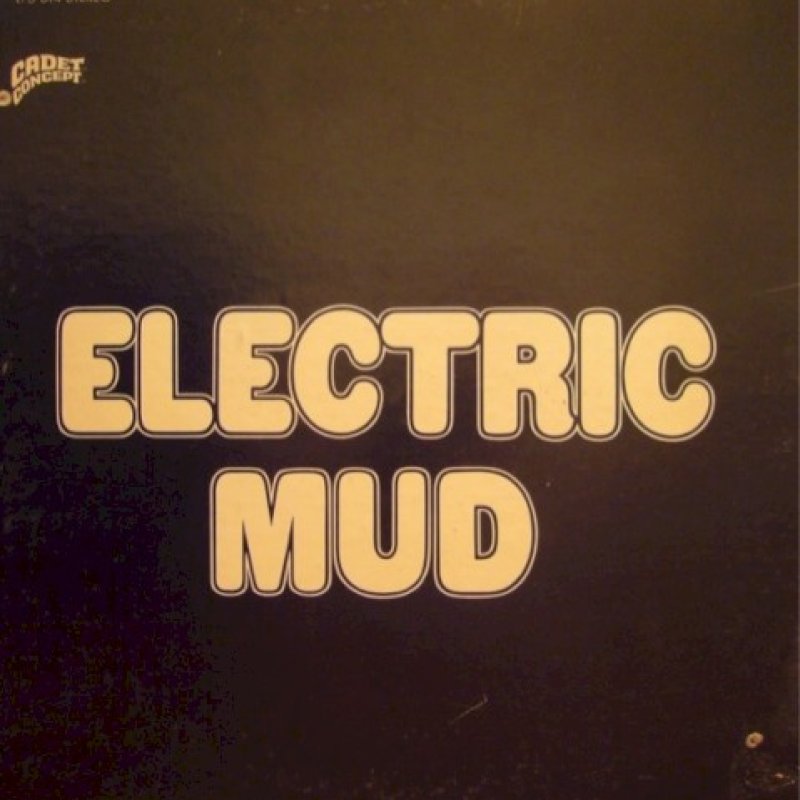
hoochie coochie man
Muddy Waters · 1954
Chicago blues at its defining moment. Waters electrifying the Delta and creating the language of modern rock. The song that Eric Clapton has said changed the way he understood the guitar.
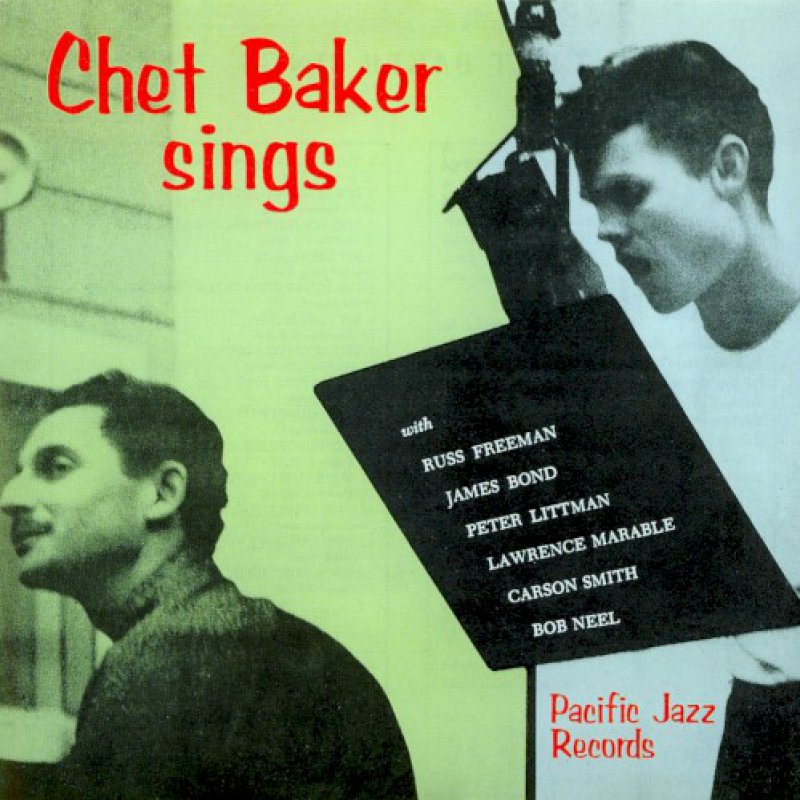
The Thrill Is Gone
Chet Baker · 1954
The most recognizable vibrato in electric blues. Lucille crying with a precision no other guitarist of his generation achieved. The Grammy that came forty years after the start of his career.
Love in Vain
Robert Johnson · 1937
The song of the train that carries love away. The most perfect melancholy of Delta blues. The Rolling Stones covered it on Let It Bleed — and the difference between the two versions is the difference between learning a language and having been born speaking it.
I'm a Man
Muddy Waters · 1955
The identity statement of urban blues. Waters asserting what the segregated society of the South tried to deny him — full humanity — with the most powerful electric guitar of his time.
Hellhound on My Trail
Robert Johnson · 1937
The blues of the hunted. Johnson singing the feeling that something inevitable is coming from behind — a metaphor that resonated with everyone who heard his music decades later.
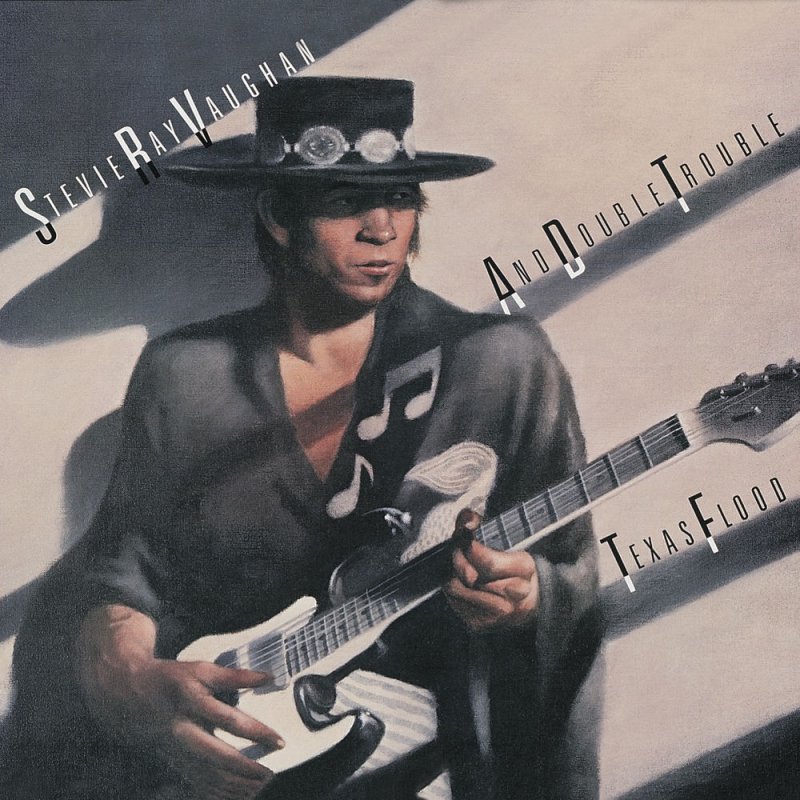
Pride and Joy
Stevie Ray Vaughan and Double Trouble · 1983
Texas blues in its most contemporary version. Vaughan demonstrating that the language of Robert Johnson and Muddy Waters was still as alive in 1983 as it was in 1936.
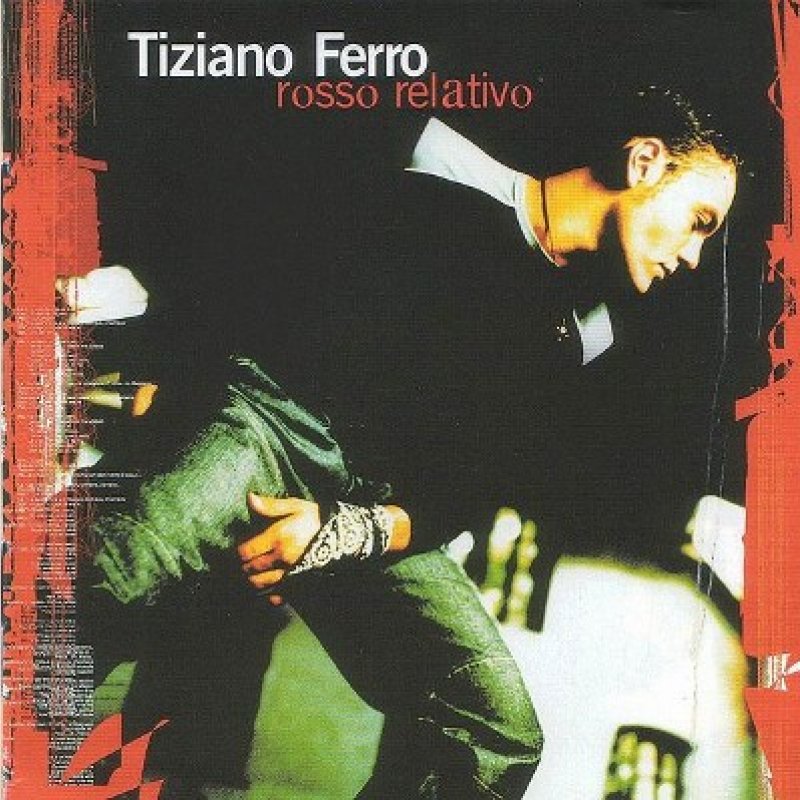
Boom boom
Tiziano Ferro · 2001
Detroit blues in its most direct and most danceable version. Hooker inventing a boogie that influenced all of sixties rock without needing more than three chords.
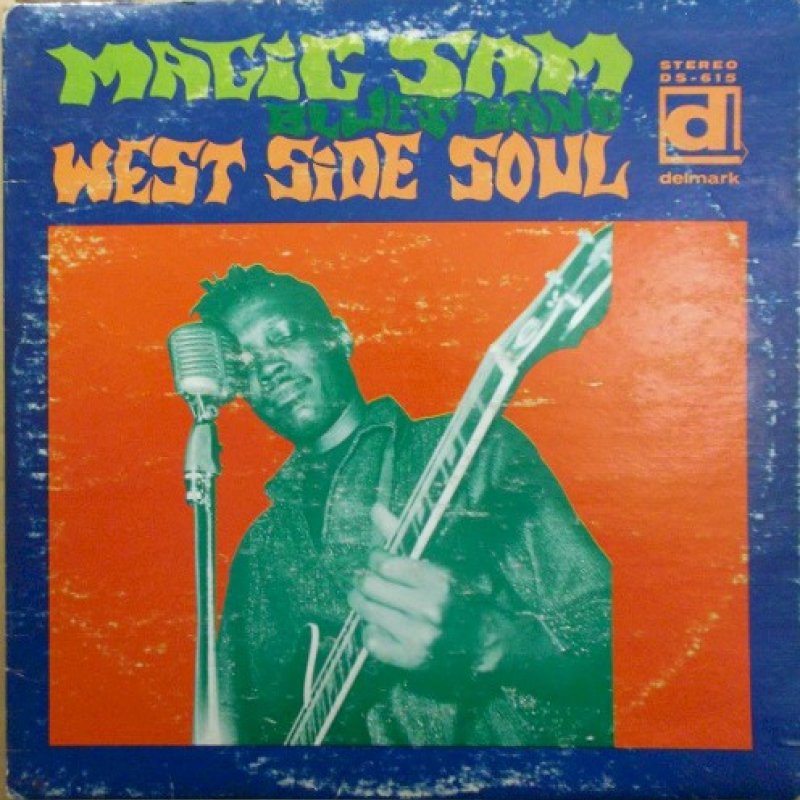
Sweet Home Chicago
Magic Sam Blues Band · 1967
The blues anthem. The song that President Obama sang at the White House in 2012. The dream of the north from the south, the promise of Chicago from the Delta — sung by a man who never got to see Chicago.
The full series
United States
Blues, jazz, country, soul, rock, hip-hop. The genre factory of the 20th century.
-
CAP 01 you are here
🇺🇸 Ch 01
The Blues: The Music That Made Everything Else Possible (1865–1960)
In 1865, the Thirteenth Amendment to the United States Constitution abolished
-
CAP 02
🇺🇸 Ch 02
The Jazz: The Music that Invented Freedom as a Technique (1900–1970)
New Orleans at the end of the 19th century was the most musically complex city in North America: an international port where French, Spanish, African, Caribbean and Anglo-Saxon com
-
CAP 03 Coming soon
🇺🇸 Ch 03
El Country y el Folk: La Voz de la América que Nashville Prefiere Olvidar (1920–1970)
Antes de que existiera Nashville, antes de que existieran las botas de cuero con punta y los sombreros de vaquero como imagen comercial, antes de que el country fuera una industria
-
CAP 04 Coming soon
🇺🇸 Ch 04
El Rock and Roll: La Noche en que América Cambió de Ritmo (1951–1960)
En el verano de 1954, un joven de diecinueve años de Tupelo, Mississippi entró al estudio Sun Records en Memphis para grabar una canción de cumpleaños para su madre. El productor *
-
CAP 05 Coming soon
🇺🇸 Ch 05
El Soul y el R&B: La Música que le Dio Nombre a la Dignidad (1954–1975)
El gospel dice: "Dios me salvará." El soul dice: "Alguien me amará." La diferencia parece pequeña. En el contexto de la América negra de los años cincuenta y sesenta — donde la seg
-
CAP 06 Coming soon
🇺🇸 Ch 06
El Rock Clásico y el Punk: De las Arenas al Garaje (1966–1994)
El rock and roll de Chuck Berry y Elvis era música de tres minutos, grabada con cuatro músicos en un estudio pequeño, diseñada para sonar en las radios de los coches y en las jukeb
-
🇺🇸 Ch 07
El Hip-Hop: La Música que Nació en una Fiesta y Cambió el Mundo (1973–hoy)
El Bronx de 1973 era una de las zonas más devastadas de América: bloques de apartamentos en llamas — los propietarios los quemaban para cobrar el seguro —, pandillas que controlaba
-
🇺🇸 Ch 08
El Pop y el Siglo XXI: La Fábrica de Iconos y la Era del Streaming (1982–hoy)
En 1983, la cadena de televisión MTV tenía dos años de existencia y todavía debatía si debía programar videos de artistas negros — una política tácitamente discriminatoria que CBS
You might also like
3 articles picked by editorial similarity


