The story behind
You're the Inspiration, according to DoReSol
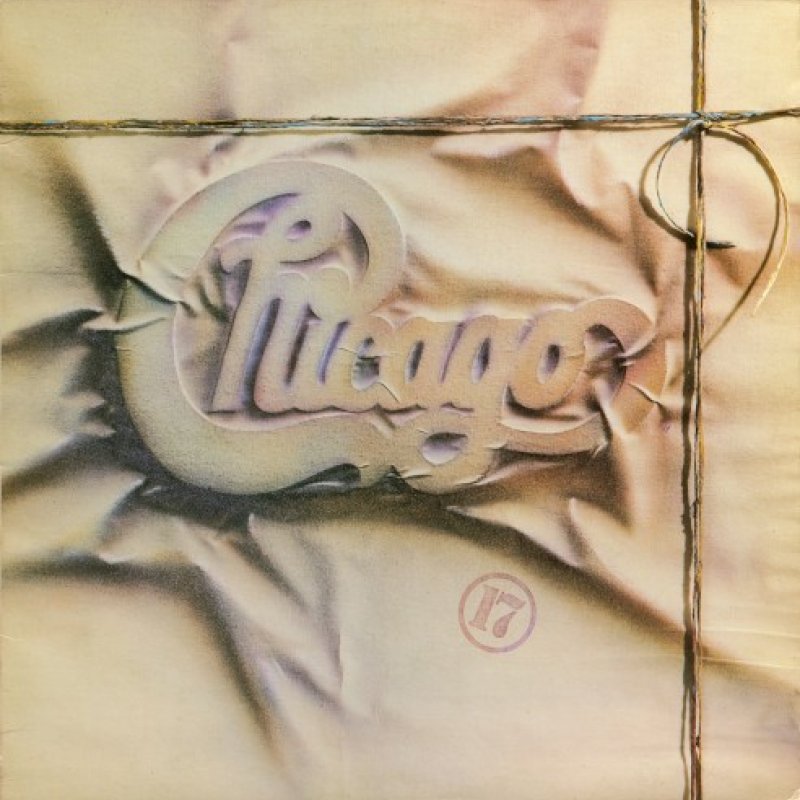
When Peter Cetera and David Foster sat down to create You're the Inspiration, the initial idea wasn't for Chicago. It turns out Foster called Cetera with a proposal: write a song for Kenny Rogers. It was early morning and Cetera was about to travel to Italy for two weeks. Despite Foster's urgency ("he wants it, like, now"), Cetera invited him to his house. In about three hours, while Cetera was packing, they both put together a chord structure that would become the song's foundation, though still unnamed. Cetera took that demo to Italy, and it was there, surrounded by baroque architecture, that the words began to flow, inspired by the art and beauty of the place, shaping the chorus we know. Upon his return, he presented the song, but Kenny Rogers ultimately didn't record it. That's when Cetera adjusted some lyrics and recorded it with Chicago for their album Chicago 17.
This track, released as the third single from the album Chicago 17 in October 1984, became a major hit. It reached number 3 on the Billboard Hot 100 in January 1985 and, at the same time, topped the Adult Contemporary chart. The song was recognized by the American Society of Composers, Authors and Publishers (ASCAP) in 1986, awarding Foster and Cetera in the most performed songs category. The music video showed the band playing, interspersed with scenes of couples of different ages sharing moments of affection. In it, Peter Cetera can be seen sitting, playing his reverse bass, wearing a t-shirt of the British group Bauhaus. The album Chicago 17, released in May 1984, was the last with Cetera as a founding member and remains the band's best-selling to date, with over 6.1 million copies in the United States, United Kingdom, and Japan. The production of this album was handled by David Foster, who also participated as an arranger alongside Peter Cetera. The recording engineer was Humberto Gatica.
From album

Chicago 17
Chicago · 1984 · Track 7
Details
Credits
Music David Foster, Peter Cetera