The story behind
Willie and the Hand Jive, according to DoReSol
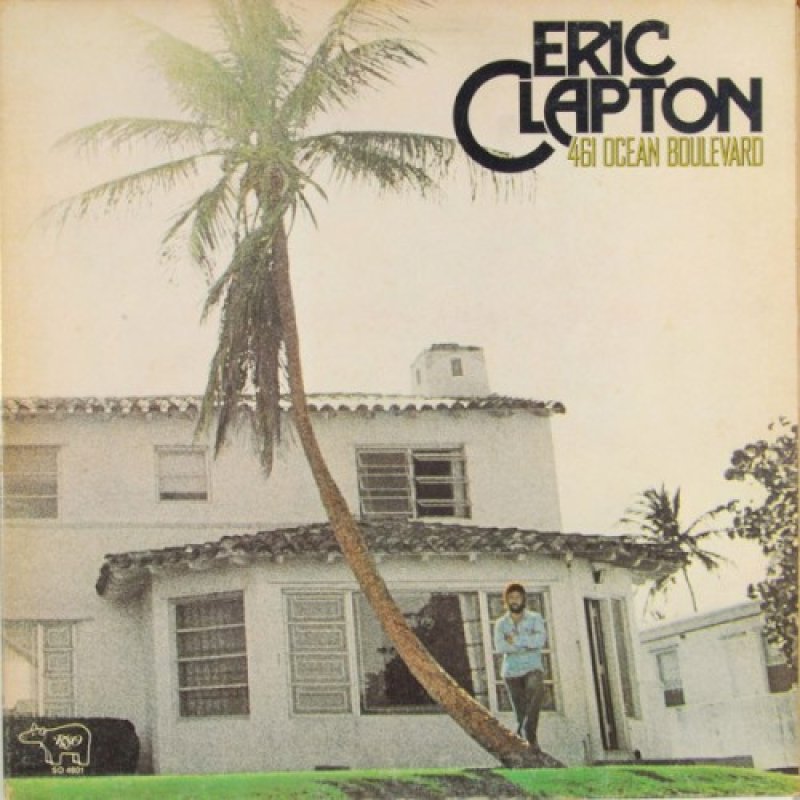
The song Willie and the Hand Jive, in Eric Clapton's version, presents an interpretation that deviates from the original rhythm to immerse itself in a more relaxed atmosphere. The tempo is reduced, creating a "slow burn" sensation that, according to some critics, benefits the piece. This adaptation was released in 1974, as part of the album 461 Ocean Boulevard. The sound of this recording is described as powerful, maintaining echoes of his previous hit, I Shot the Sheriff, and was notable for a confident and mature voice, with inflections that conveyed conviction.
The original song, written by Johnny Otis, was born in 1958 and was characterized by a contagious rhythm, similar to that of Bo Diddley, with percussion by Earl Palmer. The inspiration for the lyrics came from chants of a chain gang that Otis heard, added to his own youthful musical experiences. The story revolves around a character, Willie, who gains notoriety for a hand dance. Curiously, despite references to the dance and live performances, the song was subject to interpretations associating it with masturbation, something that Otis always denied. The idea of the hand dance partly arose from restrictions in England, where young people could not dance standing up at concerts and opted for hand movements from their seats. Otis's record label, Capitol Records, even distributed graphic instructions for learning the dance. Clapton's version, with its calmer rhythm, became a single that reached the popularity charts, reaching number 26 on the Billboard Hot 100.
From album

461 Ocean Boulevard
Eric Clapton · 1974 · Track 3
Details
Credits
Lyrics Johnny Otis
Music Johnny Otis