The story behind
Weeping Willow, according to DoReSol
The song Weeping Willow by The Verve, with its 4:50 duration, delves into a narrative of emotional fragility and longing. The lyrics do not follow a linear story but instead build atmospheres through evocative imagery and repetition, suggesting themes of isolation and dependence. From the start, a sense of physical and emotional exhaustion is felt, a vulnerability that is shared, marked by the sensation that time is slipping away and opportunities are being lost. The recurring chorus, a plea to be saved, underscores deep despair and the need for external help, reflecting a struggle between the ability to act and helplessness.
Throughout Weeping Willow, the perspective oscillates between individual reflection and a plea directed at another person, emphasizing the search for empathy and genuine connection. Mentions of the hope that someone else feels the same highlight the need for validation and companionship, while the idea that "the world does not stop" introduces inevitability and the pressure to move forward despite instability. Later references grow darker, with images of hidden medications and weapons, which can be interpreted as metaphors for coping mechanisms or internal conflicts. The title itself, weeping willow, traditionally evokes sadness and mourning, reinforcing the melancholic tone and introspective atmosphere of the piece. Despite this deep melancholy, the final lines introduce a subtle hope for renewal, an acceptance of pain, and an invitation to embrace a new beginning.
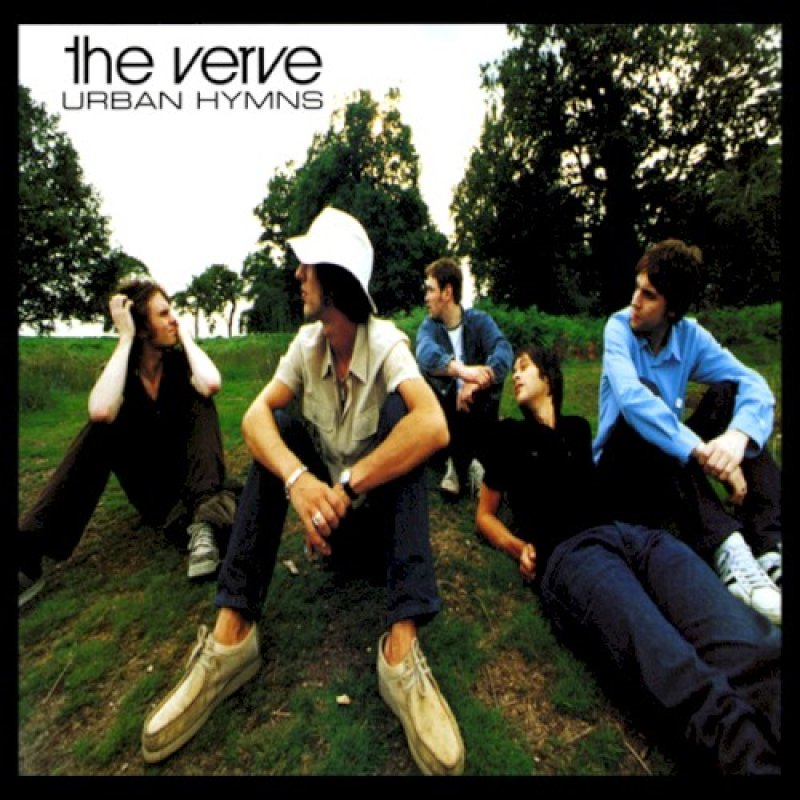
The recording context of Urban Hymns, the album featuring Weeping Willow, was complex. After a split in August 1995, The Verve reunited two weeks later without their guitarist Nick McCabe. Lead singer Richard Ashcroft moved to Bath, in Somerset, where he created demos. Soon after, Simon Tong joined the band. Initial recording sessions with producers like John Leckie and Owen Morris did not go well. They sought a new guitarist and contacted Bernard Butler, who stayed for a week before leaving due to creative differences. In 1996, the band began recording at Olympic Studios in London, working first with producer Martin "Youth" Glover and later with engineer Chris Potter. In early 1997, Ashcroft reconnected with McCabe. Ultimately, the production of Urban Hymns, including Weeping Willow, was handled by Chris Potter and The Verve. The album, released on September 29, 1997, was later recognized, winning the Best Album award at the 1998 Brit Awards, where The Verve was also honored as Best Group of the Year.
From album

Urban Hymns
The Verve · 1997 · Track 8
Details
Credits
Lyrics Richard Ashcroft
Music Richard Ashcroft