The story behind
Twist and Shout, according to DoReSol
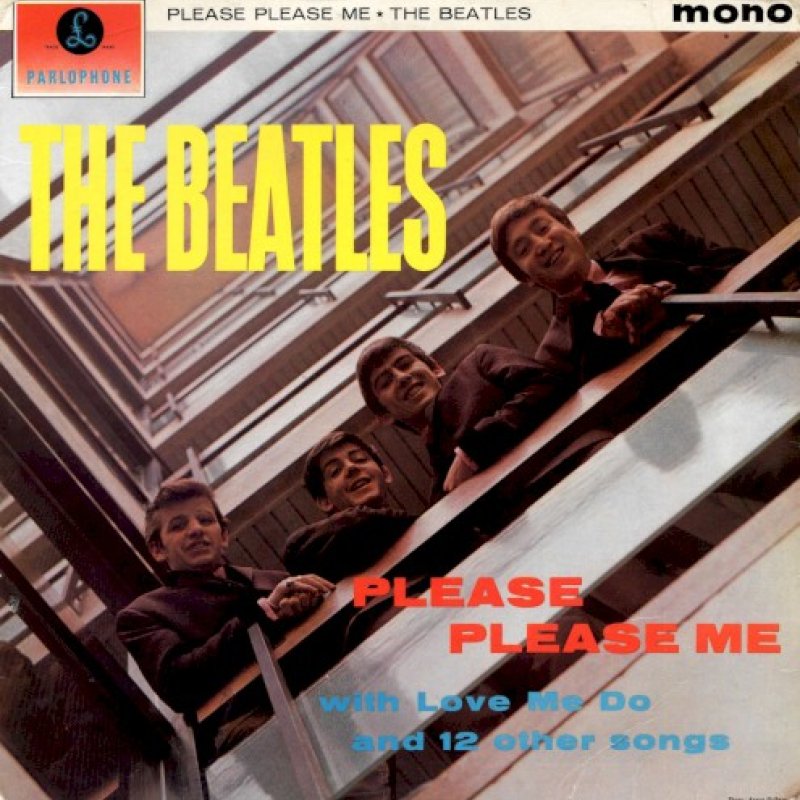
When we think of "Twist and Shout," it's easy to imagine that overflowing energy that John Lennon unleashes with his voice. What makes this version by The Beatles special is precisely that recording moment. It's said to be the last track they tackled in a marathon session of just 10 hours for their first album, Please Please Me. George Martin, the producer, knew Lennon's voice was going to suffer, so he left it for last, with only about 15 minutes of studio time remaining. Lennon, moreover, had a cold and was struggling to keep his throat in condition, drinking milk and using lozenges. Despite everything, his performance is of incredible power, a true vocal whirlwind that became one of the most talked-about takes in rock history.
You can even hear his cough at the end of the song, a detail that underscores the intensity of the moment. They attempted a second take, but his voice couldn't handle any more. The story of "Twist and Shout" is interesting because it didn't start with The Beatles. It was originally written by Phil Medley and Bert Berns (who also used the name Bert Russell). The first recording was by The Top Notes in 1961, at Atlantic Studios, produced by Phil Spector. However, that version didn't have the expected impact. It was the reinterpretation by The Isley Brothers in 1962, with Berns now as producer, that gave it a new boost. They added a more soul-like passion and a structure that included a very characteristic ascending bridge.
That version by the Isley Brothers was what inspired The Beatles, and it became their first single to reach the Top 20 of the Billboard Hot 100. The Isley Brothers' version was even recognized with an induction into the Grammy Hall of Fame in 2010. For The Beatles, this song was released on their debut album Please Please Me in 1963 and, in the United States, as a single in 1964, it reached number 2 on the Billboard, falling just behind another of the band's hits.
From album

Please Please Me
The Beatles · 1963 · Track 14
Details
Credits
Music Bert Russell Berns, Phil Medley