Chords in progress
We have not analyzed this song audio yet. Once it is ready, you will see the chord player synced with the video.
The story behind
Anna (Go to Him), according to DoReSol
When you dive into Anna (Go to Him), you encounter a song that, despite its title, invites us to think about the idea of leaving, of moving on. The original composer, Arthur Alexander, wrote it based on the early days of his relationship with his partner, Ann. The story it tells is about how one of her ex-boyfriends, from a wealthy family, was trying to win her back. Curiously, although Alexander was the one who had been unfaithful in his marriage, in the lyrics he put himself in the shoes of the one left alone. He himself explained that the slight variation in the name, from 'Ann' to 'Anna', simply fit the melody better. Alexander's version, released as a single by Dot Records in September 1962, was already an important piece of the soul music of the era, with a rhythm that moved between the melodic and the more upbeat. It even managed to chart, both on general and R&B lists.
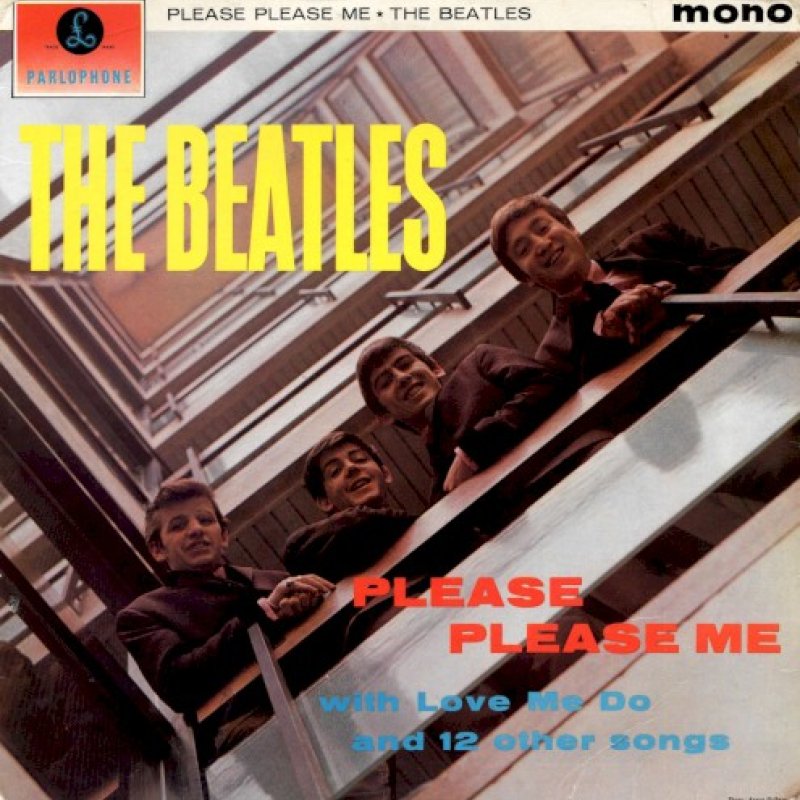
The version we play today, by The Beatles, is part of their first album, Please Please Me, recorded in 1963. For them, Anna (Go to Him) was a key piece in their early repertoire, a track that John Lennon particularly appreciated. They recorded it in February 1963, in just three takes, and the final version was remixed shortly after. In this interpretation, George Harrison handled the distinctive guitar phrase, while in the original it was Floyd Cramer who played it on piano. The way Lennon sings the song adds an emotional intensity, a pain that was not as present in Alexander's version, especially in the moments of greatest vocal sharpness at the end of the bridges. The vocal harmonies of the other members of The Beatles also enrich the piece, bringing a superior quality to the original version. This song, with its particular rhythm and the emotiveness they imbued it with, became an example of how a piece can resonate in different ways through different interpretations.
From album

Please Please Me
The Beatles · 1963 · Track 3
Details
Credits
Lyrics Arthur Alexander
Music Arthur Alexander