The story behind
Sultans of Swing, according to DoReSol
When Mark Knopfler composed "Sultans of Swing", he did so on a National Steel guitar in open tuning. At first, he found it a bit bland, but everything changed in 1977 when he acquired his first Fender Stratocaster. Playing it on that '61 Strat, the song came to life; new chords emerged on their own and fit perfectly. The lyrics, meanwhile, were inspired by a Dixieland jazz band playing in a nearly empty pub in Deptford, South London. He found the contrast amusing between the musicians' modest appearance and the grandiloquent name they announced at the end: the Sultans of Swing.
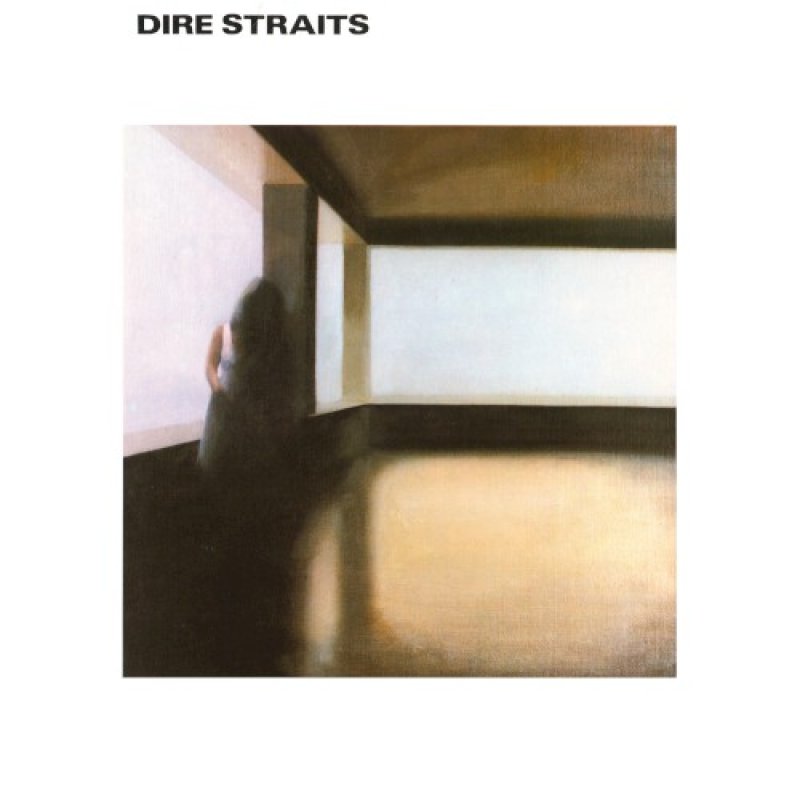
Shortly after forming Dire Straits in 1977, they recorded a five-track demo at Pathway Studios, including this song. They took it to Charlie Gillett, a BBC Radio London DJ, seeking advice. Gillett included it in his programming, and two months later, the band signed with Phonogram Records. In February 1978, they re-recorded "Sultans of Swing" at Basing Street Studios for their debut album, Dire Straits, with Muff Winwood as producer. The album version lasts 5:47 and was released as a single on May 19, 1978, in the UK, reaching the United States in January 1979. The song became a hit, reaching the top five in Canada, South Africa, and the United States, and the top 10 in the UK, Ireland, and Australia. The track uses common time, at 149 beats per minute, in the key of D minor. The chord progression in the verses is Dm–C–B♭–A, and in the choruses F–C–B♭. The riff is based on triads, especially in second inversions, and employs the Andalusian cadence or diatonic Phrygian tetrachord, with chords compatible with the D natural minor scale, except for the A major chord which suggests the D harmonic minor scale.
Critics highlighted "Sultans of Swing" for its "unavoidable hook." Some compared Knopfler's voice to Bob Dylan's, while others found it similar to Lou Reed's, praising the fluidity and excellent guitar work. The lyrics were described as reflective and the chorus as instantly catchy, painting a vivid picture of an unappreciated bar band. Knopfler's guitar sound, in particular, was described as something never before heard on the radio, and the song was considered an ode to any band that played long sets night after night. The live version included on the album Alchemy has been considered by some to be Dire Straits' best song.
From album

Dire Straits
Dire Straits · 1978 · Track 6
Details
Credits
Lyrics Mark Knopfler
Music Mark Knopfler