The story behind
Suicide Solution, according to DoReSol
The opening riff of Suicide Solution doesn’t sound like a call to disaster, but rather a masked warning. Recorded in March 1980 with borrowed equipment in England, the song emerged from an explosive mix: Randy Rhoads’ guitar —which he had already used in that pattern for Force of Habit with Quiet Riot— and the lyrics by Bob Daisley, who years later clarified that he wasn’t referring to literal suicide, but to self-destruction through alcohol. The title, Suicide Solution, plays with the idea of a “liquid solution”: drinking as an escape, not an end. Yet the misunderstanding stuck. In October 1984, a 19-year-old in Indio, California took his own life while listening to the track, and although his parents sued Ozzy Osbourne and CBS Records in 1985, they could never prove the song’s words had driven him to act. What’s curious is that, mid-recording, Ozzy let out a scream many interpreted as “Get the gun and shoot!”, but he and Daisley insisted it was actually “Get the flaps out” —a British slang for a female body part—. The case was closed, yet the controversy lingered.
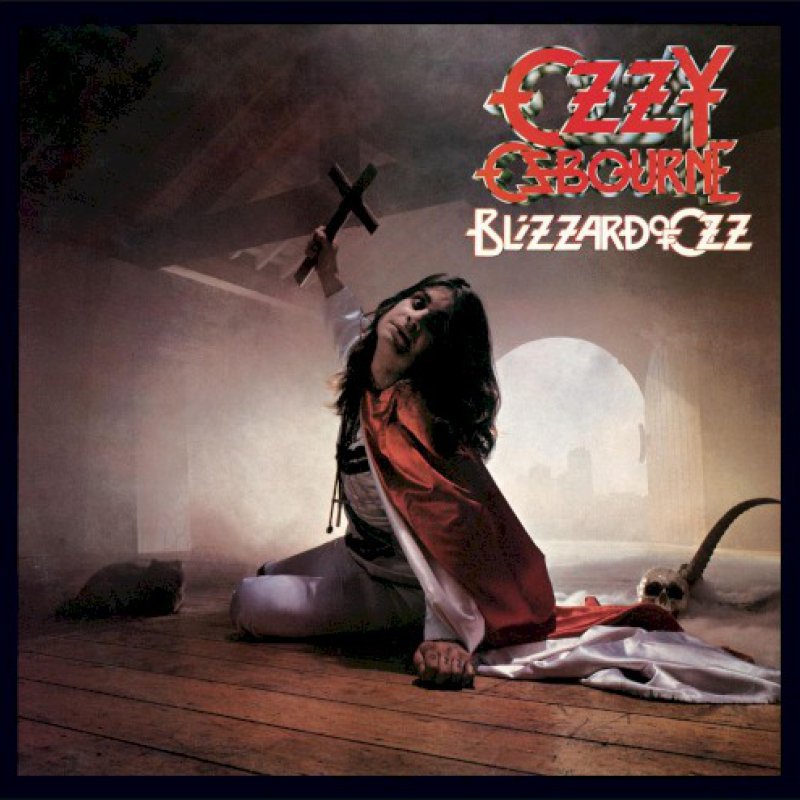
The song appeared on Blizzard of Ozz, Ozzy’s first solo album after leaving Black Sabbath in 1979. Clocking in at 4:16 in its original version and 4:20 in the 1995 reissue, the record sold beyond expectations thanks to hits like Crazy Train and Mr. Crowley. But it was Suicide Solution that stirred noise: in 1986, another teenager in Minnesota shot himself with a .22 rifle while listening to the song, and his parents also sued the musician. Ozzy replied with irony: “It’d be a terrible career move to write a song that says ‘Grab a gun and kill yourself.’” Ironically, Ozzy himself had once battled alcohol addiction, and the song mirrored that personal struggle. Rhoads’ fast, cutting riff and the live solo —which stretches past six minutes on the Tribute album— cemented the piece as a heavy metal classic, despite the shadows that clung to it.
From album

Blizzard of Ozz
Ozzy Osbourne · 1980 · Track 5
Details
Credits
Lyrics Ozzy Osbourne, Bob Daisley, Randy Rhoads
Music Ozzy Osbourne, Bob Daisley, Randy Rhoads