The story behind
Starman, according to DoReSol
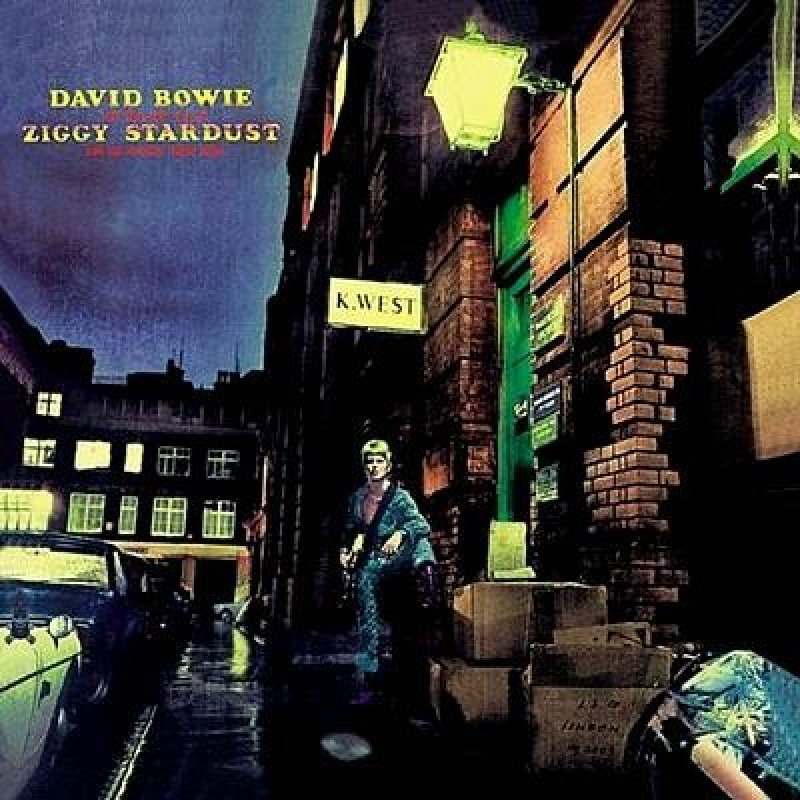
When David Bowie was working on The Rise and Fall of Ziggy Stardust and the Spiders from Mars, record label RCA asked him for a track that could work as a single. That’s when Starman emerged—a song that was added at the last minute to the album, replacing a cover of Chuck Berry’s "Round and Round." The story it tells is that of Ziggy Stardust, a character who delivers a message of hope to youth through the radio, presenting the idea of salvation from an extraterrestrial "Starman." The melody of the chorus has a clear connection to "Over the Rainbow," performed by Judy Garland, and the overall sound of the track draws from influences like T. Rex and The Supremes.
The recording of Starman took place on February 4, 1972, at London’s Trident Studios, as part of the final sessions for the album. It was co-produced by Ken Scott and David Bowie alongside his backing band, The Spiders from Mars, featuring Mick Ronson on guitar, Trevor Bolder on bass, and Mick Woodmansey on drums. The song opens with a twelve-string acoustic guitar, later joined by electric guitars and a string arrangement by Mick Ronson, which some biographers compare to the style of Bowie’s previous album, Hunky Dory. After its release, the track was well-received and earned positive reviews. However, it was Bowie’s performance of Starman on the British television show Top of the Pops in July 1972 that catapulted both the song to number 10 on the UK charts and the album to number 5. This moment marked Bowie’s first major success since "Space Oddity" three years earlier and was watched by a vast audience, including many musicians who would later become influential figures.
From album

The Rise and Fall of Ziggy Stardust and the Spiders from Mars
David Bowie · 1972 · Track 4
Details
Credits
Music David Bowie