The story behind
Revolution 1, according to DoReSol
This song, *Revolution 1*, emerged from a period of great social unrest in 1968. John Lennon, the main songwriter, felt compelled to reflect on the political protests of that year. While he shared the need for social change, he expressed doubts about the violent methods some "New Left" groups were adopting. Despite his bandmates' reservations, Lennon insisted on including it on the album. The recording of this version, distinguished by its slow tempo and a more bluesy feel, took place between July 9th and 13th, 1968, at EMI Studios in London. The recording engineer was Geoff Emerick, and the production was handled by George Martin. A peculiar aspect of this take is that Lennon recorded his lead vocals while lying on the floor, and he altered a line to sound ambiguous, saying "you can count me out, in," reflecting his own indecision.
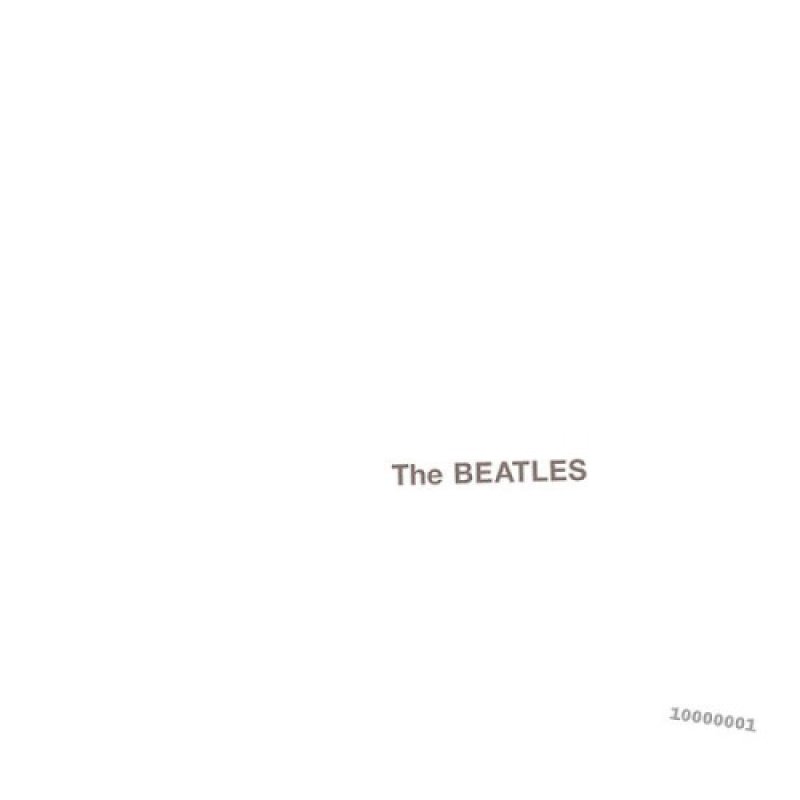
The song, which is part of The Beatles' tenth studio album, known as *The Beatles* or the "White Album," released in November 1968, was conceived in a context of growing politicization among youth. Protests against the Vietnam War, student uprisings in France, and demonstrations in Poland, among other events, marked the international landscape. The Beatles, seen as counterculture icons, felt pressure from political groups to speak out actively. It was during a stay in Rishikesh, India, where they were studying transcendental meditation, that Lennon began to shape this piece, completing it in England in May. While the version that appears on the album is more subdued, a more energetic, hard rock take was recorded later and released as the B-side of the single *Hey Jude*.
From album

The Beatles
The Beatles · 1968 · Track 25
Details
Credits
Music Paul McCartney, John Lennon