The story behind
Raíz, according to DoReSol
When diving into Raíz, you’ll encounter a piece that invites you to explore very particular sound textures. The first thing that stands out is how the rhythm is built: for much of the song, a bass drum sets the pulse, almost like an ancestral heartbeat, and it’s only toward the end that the full drum kit appears. This choice gives it a distinct air, as if it were shedding layers to reach its essence. The influence of the folk music from the Andean highlands—with its characteristic sounds from Peru, Bolivia, and the northwest of Argentina and Chile—permeates the overall atmosphere. It’s not just a reference; it’s so seamlessly integrated that it evokes a deep connection with the land and the love for it, elevated to a metaphor about an unbreakable emotional bond that is sought after.
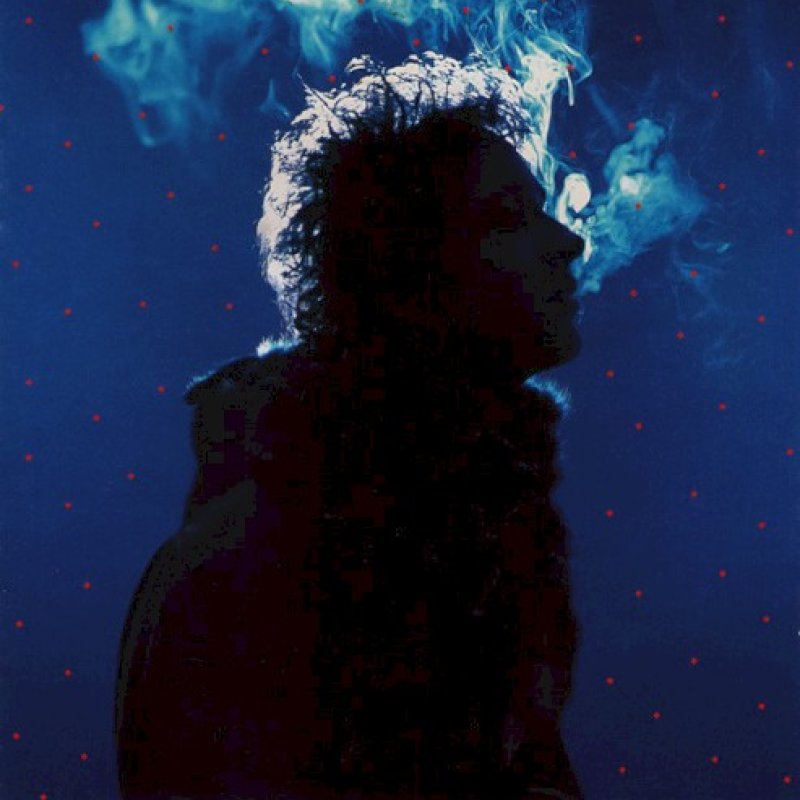
The recording of Raíz is a true sonic collage, an example of how different ideas can be woven together to create something new. For instance, the guitar you hear in the introduction comes from Thomas Dolby’s "Hyperactive!". Later, another guitar layer is taken from XTC’s "Poor Skeleton Steps Out". Just before the second verse, a pan flute sneaks in—Gustavo Cerati obtained it directly from Los Jaivas, with their permission. And in the chorus, the drumbeat that plays is the same one used in Eumir Deodato’s "September 13". There’s even a flute sample taken from "Iter", part of the soundtrack to The Truth and the Light: Music from the X-Files, composed by Mark Snow. This method of working, using fragments from other pieces, gives Raíz a unique identity, blending alternative rock with electronic elements and an experimental spirit that’s felt with every listen. Raíz was released in 1999 as part of the album Bocanada, the second solo record by Gustavo Cerati after the breakup of Soda Stereo. It was issued as the lead single from that work.
From album

Bocanada
Gustavo Cerati · 1999 · Track 9
Details
Credits
Music Gustavo Cerati