Chords in progress
We have not analyzed this song audio yet. Once it is ready, you will see the chord player synced with the video.
The story behind
Primavera 0, according to DoReSol
The first guitar riff in Primavera 0 doesn’t sound like a beginning, but like a warning: something is about to happen differently. That distorted riff, slicing through the air with a sharp pick strike, isn’t just a melodic hook—it’s the signature of a shift. Soda Stereo had just come from Canción Animal, a sound that was already an anthem across Latin America, but here the band chooses to dismantle that formula. The distortion isn’t decorative: it drags echoes of Sonic Youth’s noise rock, yet also carries that relentless hard rock ‘crush’ that Cerati always carried under his skin. What’s most striking is that the song doesn’t breathe: Zeta Bosio’s bass and Charly Alberti’s drums enter at the same time as the vocals, with no transition, and the riff returns at the end like a reminder that this isn’t just any track. Not once does the song allow for pauses.
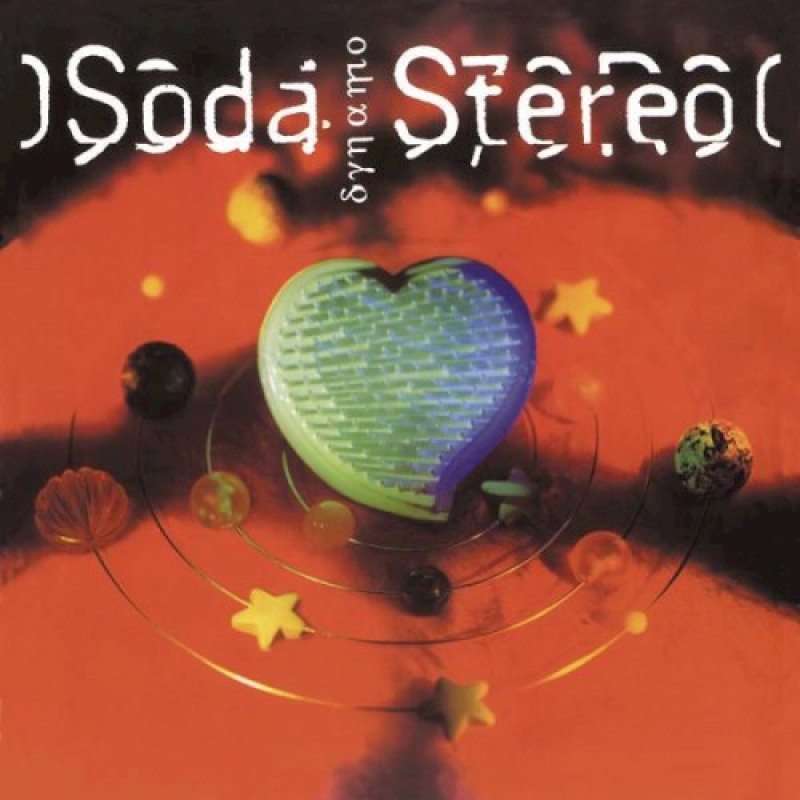
The recording at Estudio Supersónico in Buenos Aires during 1992 was a real-time experiment. The album Dynamo—released in October of that year on Cassette by Sony Music Latin—arrived just as the band was switching record labels, complicating its promotion. The audience wasn’t ready for a sound that abandoned Canción Animal’s straightforward rock for layers of shoegaze and distortions bordering on abrasive. Primavera 0 ended up being one of the few tracks on the album to survive initial skepticism: in 2006, Al Borde magazine ranked it 422nd in its list of the 500 best Ibero-American rock songs, and since then it has been a staple in nearly every Soda Stereo concert, including the Gira me verás volver tour of 2007. The video, directed by Boy Olmi, doesn’t feature a montage but instead shows behind-the-scenes footage of the recording: Cerati, Bosio, and Alberti playing together, no tricks, as if the song had been born in that very moment. Curiously, during the Gira Dynamo and in the El último concierto of 1997, the song segued seamlessly into En remolinos, using that same distorted riff as a bridge. Today, when you listen to it, it’s not hard to see why it has stood the test of time: it’s not a song you play—it’s one you feel in your body.
From album

Dynamo
Soda Stereo · 1992 · Track 4
Details
Credits
Music Gustavo Cerati