The story behind
Potosí, according to DoReSol
La Vela Puerca started with an album that already smelled of the future. Deskarado, recorded in 1996 with the help of the Generación '96 contest and the push of the Obligado Records label, brought a sound that blended the energy of rock with the groove of reggae and the verve of ska, all topped off with brass that wove through the chords like a wind from the Río de la Plata. But it was in Potosí, that 3:13 track tucked into the same album, where the band found a rhythm that beats differently: it’s not just the melody, it’s the way the brass section twists with the drums to create that feeling of constant forward motion, as if the song carried a train rumbling beneath it.
The story behind Potosí is more about chance than planning. The Deskarado album was recorded amid the buzz of Montevideo summers, when the band still didn’t know that this material would lead them to play at the Teatro de Verano and earn a gold record before they turned three. The leap to Argentina came later, with the Girafónica tour of 2000—a name that already hinted at what was to come: raspy voices, sweat on the stage, and just the right energy to open for Los Piojos. But before that, the album had caught the attention of Gustavo Santaolalla, who remixed and re-released it in 1999 under Surco/Universal, giving it a new shine without losing its essence. Potosí stood there, in the middle of that ebb and flow, like a bridge between who they were and who they were about to become.
From album

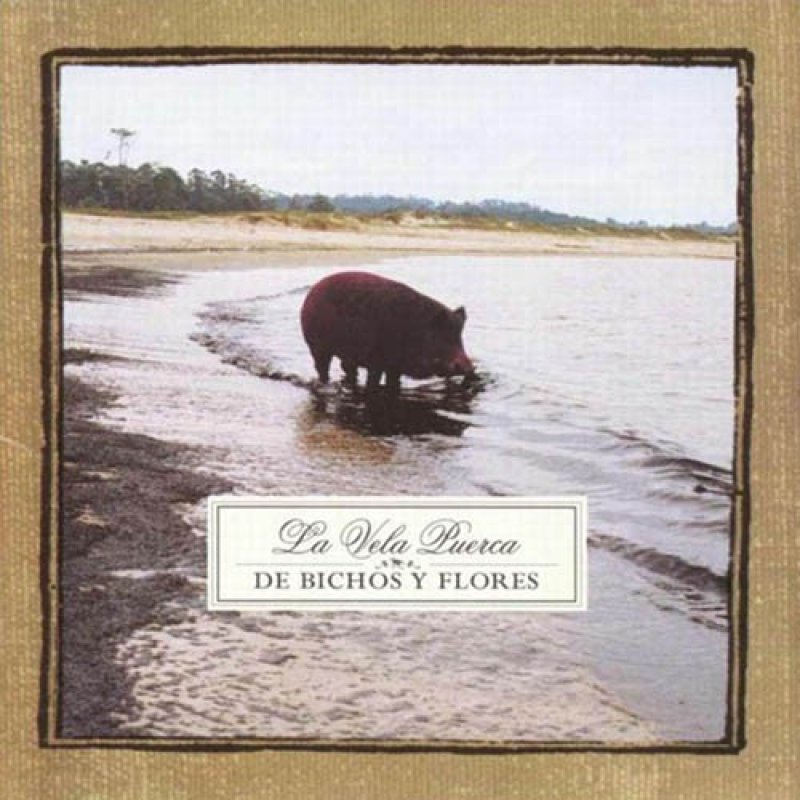
De bichos y flores
La Vela Puerca · 2001 · Track 7
Details