The story behind
Paseo inmoral, according to DoReSol
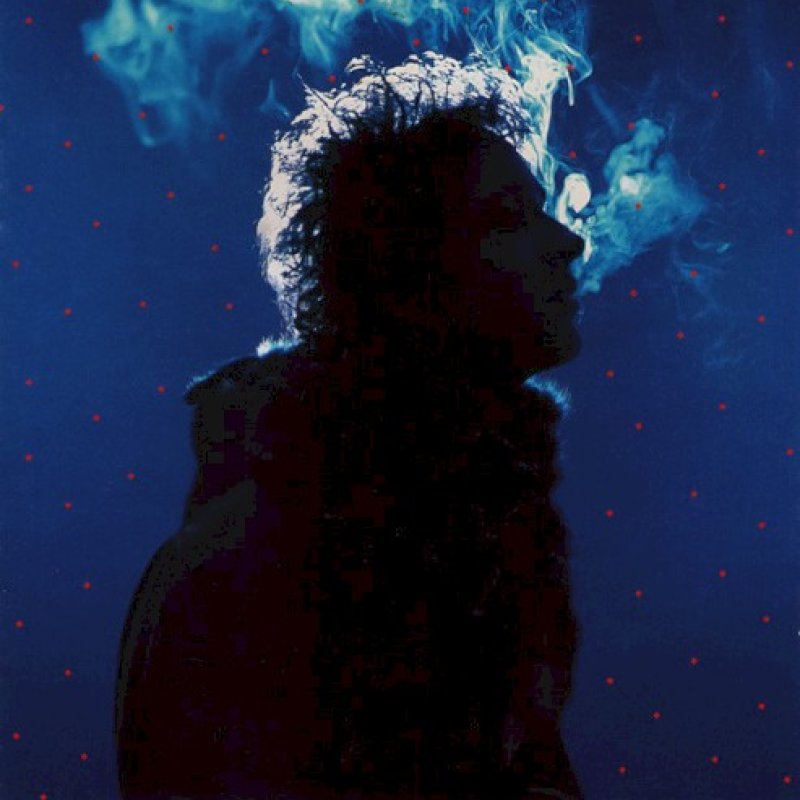
When approaching Paseo inmoral, we encounter a piece that invites us to explore the sonic textures that Gustavo Cerati began to unfold in his solo career, marking a before and after following the separation of Soda Stereo. This track, with a duration of 5:31, integrates into the universe of Bocanada, his second personal studio work, released in 1999. It is interesting to note how Bocanada was conceived at a moment of redefinition for Cerati, being the first album he released as a soloist after the end of Soda Stereo, a band that had released its last album, Sueño Stereo, in 1995. Cerati himself referred to Bocanada as his "first solo album," an indication of the new direction he sought to impart to his career, with a marked influence of electronic music.
The composition of Paseo inmoral is a reflection of this sonic quest, with the music credited to Francisco Bochaton and Gustavo Cerati himself. This album, Bocanada, was released through the BMG Ariola label, and a clear intention to explore sounds that moved away from the previously known can be perceived. Although Cerati had already released a previous solo work, Amor Amarillo, in 1993, the context of Bocanada comes after the dissolution of Soda Stereo, an event that undoubtedly marked a turning point. The production of this album, in which Cerati played a leading role, is characterized by its openness to electronic music, a path that becomes evident in the atmosphere and arrangements of songs like Paseo inmoral.
From album

Bocanada
Gustavo Cerati · 1999 · Track 11
Details
Credits
Music Gustavo Cerati, Francisco Bochaton