The story behind
Only the Wind, according to DoReSol
The song “Only the Wind” sounds as if it were floating over a soundscape that never quite settles. It’s not a track that moves forward with bass drum beats or catchy melodies; instead, it moves in circles, as if the wind itself were guiding its harmonic shifts. The synthesized bass traces a repeating pattern, but not in a mechanical way: there’s a slight offset, a pause that breathes life into it and sets it apart from a cold loop. Neil Tennant’s voice doesn’t sing about anything specific, but rather about fleeting sensations, as if the song were about drifting aimlessly. That sets it apart from other synth-pop tracks of the era, where the norm was to seek out catchy hooks or danceable beats. Here, however, there’s a kind of restless calm, as if the song were about to dissolve into thin air.
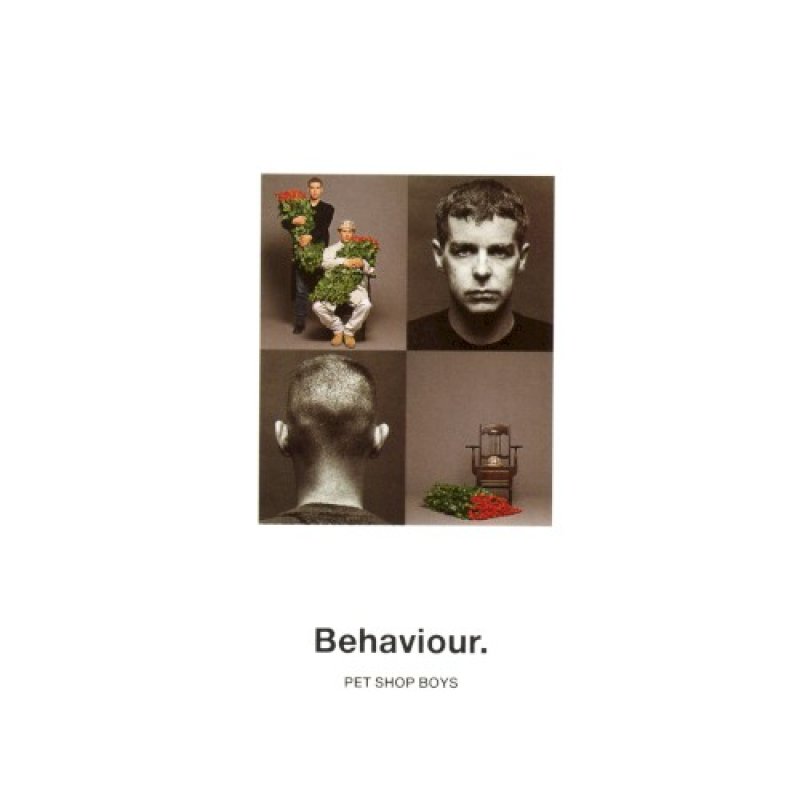
They recorded it in 1990 at Harold Faltermeyer’s Red Deer studio in Munich, in the heart of West Germany. The Pet Shop Boys arrived with a clear vision: they wanted to move away from the digital synthesizers that dominated the market and return to analog—to that warm, less polished sound that the equipment of the time didn’t always manage to capture. Faltermeyer, known for his mastery of machines like the Yamaha DX7 and the Roland Jupiter-8, was the natural choice. The result was an album, *Behaviour*—or *Behavior* in the United States—that broke with the more experimental style of their previous work, *Introspective*, and didn’t resemble the bright pop they would later bring with *Very* either. “Only the Wind” encapsulates that search: it’s not a track that screams for attention, but its atmosphere makes it memorable. The mix was handled by Julian Mendelsohn, who gave it that balance between the ethereal and the earthly that ultimately defines its character.
From album

Behaviour
Pet Shop Boys · 1990 · Track 5
Details
Credits
Music Chris Lowe, Neil Tennant