Chords in progress
We have not analyzed this song audio yet. Once it is ready, you will see the chord player synced with the video.
The story behind
Oh! You Pretty Things, according to DoReSol
The first time David Bowie sat down to compose for what would become the album Hunky Dory, the song Oh! You Pretty Things was the one that emerged. It was in the early hours of a January day in 1971, during a bout of insomnia. Bowie felt the need to get up and put it down on the piano so he could go back to sleep. He asked his publisher, Chrysalis, for studio time, and Bob Grace secured him a slot at London's Radio Luxembourg Studios to record a solo demo between February and March of that same year. This preliminary version, it is said, only included piano and the sound of the bracelets he was wearing.
This demo, along with others of tracks like Life on Mars? and Andy Warhol, was what encouraged Bowie's new manager, Tony Defries, to seek a new record deal for him, which ultimately led him to sign with RCA Records. Before Bowie's version saw the light of day on Hunky Dory, he himself gave the song to Peter Noone, the singer of Herman's Hermits. Noone recorded it and released it as his first solo single in April 1971, under the title "Oh You Pretty Thing". Noone's version had some structural and lyrical differences compared to the one Bowie would record later. Noone's single reached number 12 in the UK, marking Bowie's biggest success as a songwriter since "Space Oddity" two years prior.
David Bowie's own version was recorded between June and July 1971, during the Hunky Dory sessions. It was co-produced by himself and Ken Scott, and featured the participation of musicians who would later become known as the Spiders from Mars: Mick Ronson on guitar, Trevor Bolder on bass, and Mick Woodmansey on drums. As with other tracks on the album, Oh! You Pretty Things explored dark ideas, inspired by the occultist Aleister Crowley and the philosopher Friedrich Nietzsche, and included literary references to works such as Arthur C. Clarke's Childhood's End (published in 1953) and Edward Bulwer-Lytton's The Coming Race (from 1871). Music critics consider it one of the best songs on Hunky Dory, and some place it among Bowie's most outstanding compositions.
From album

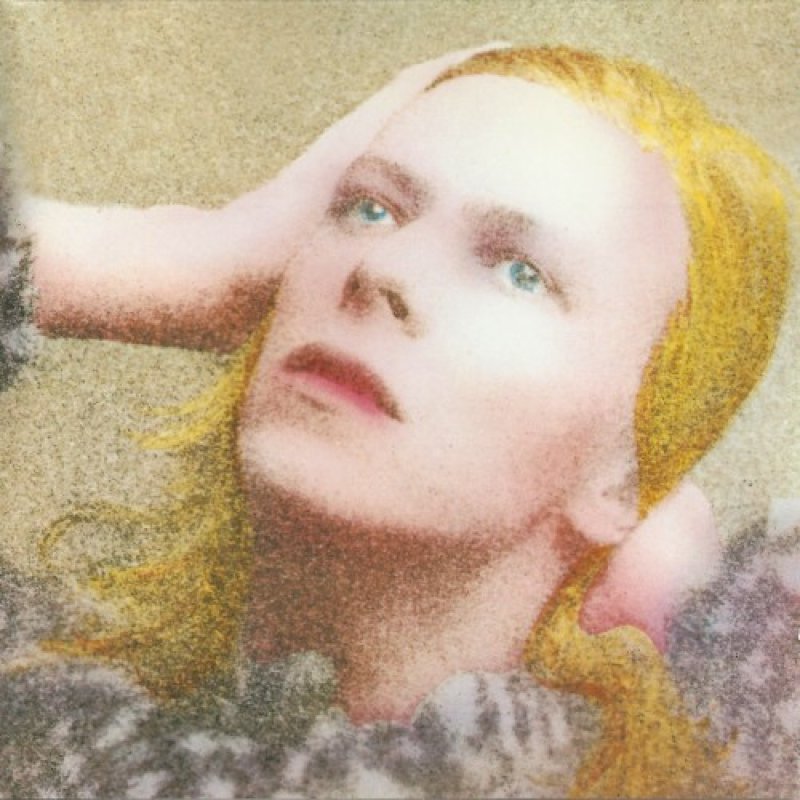
Hunky Dory
David Bowie · 1971 · Track 2
Details
Credits
Lyrics David Bowie
Music David Bowie