The story behind
Octavo día, according to DoReSol
When Shakira sat down to compose Octavo día, she wasn't just thinking about a catchy melody. The lyrics, which she wrote herself with Lester Mendez, lead us to imagine a God who, after creation, takes a break and upon returning finds everything upside down. It's a way of presenting her vision of divinity, something she first explored in this song, even before How Do You Do. The song mentions figures like Michael Jackson and Bill Clinton, and even the mythical Tarzan, weaving a narrative that goes beyond the literal.
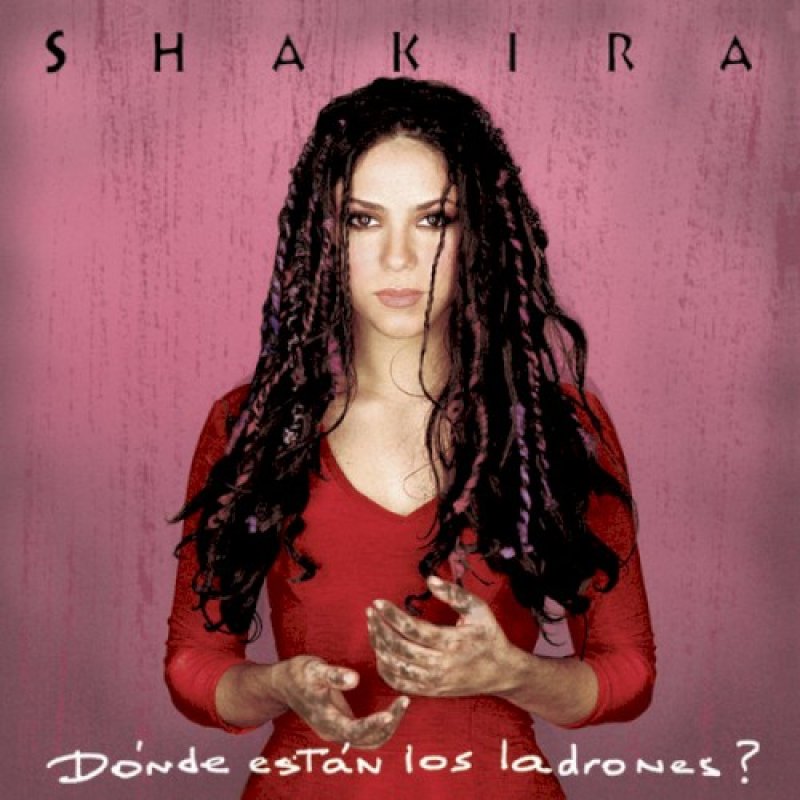
This piece, which is part of her album ¿Dónde están los ladrones? released in 1998, did not have an official music video, but its message resonated strongly through the radio. We also find it in its acoustic format in the 2000 unplugged concert and on the DVD of the Tour de la Mangosta. It was precisely on this last tour that Octavo día gained a striking visual dimension. A black and white video of George W. Bush and Sadam Huseín playing chess was projected on the screens, while some musicians on stage wore masks of Richard Nixon and Fidel Castro. With this, Shakira sought to convey a deeper critique, not only about the war in Irak, but about how leaders sometimes treat conflicts as a game, without the seriousness they deserve. The image of death manipulating these "characters" with strings added a layer of symbolism about control and the consequences of such actions. Although some attendees may have felt confused, the message about the devaluation of leaders and the need for a political vision in music, as she herself pointed out in the United Kingdom, was captured. The quote from Jimi Hendrix at the end of the video invited reflection on responsibility and the perception of art.
From album

Dónde están los ladrones?
Shakira · 1998 · Track 6
Details
Credits
Music Shakira, Lester Mendez