The story behind
O velho e a flor, according to DoReSol
The first time I heard O velho e a flor, what stayed with me wasn’t the rhythm or the melody, but that image of the old man walking with a rose in his hand. It’s not a song that invites you to dance, but to stand still for a moment and think about what it says: "It’s the thorn that isn’t seen in every flower. It’s life when it arrives bleeding." These verses sound like truth because they don’t promise easy answers; instead, they show love as something that hurts before it’s understood. The old man in the story had searched for an explanation for years, until one day he crossed paths with another elder carrying a rose, and it was enough to look at it to know. There’s no grandiloquence in the lyrics, only the rawness of someone who no longer expects anything and suddenly finds it.
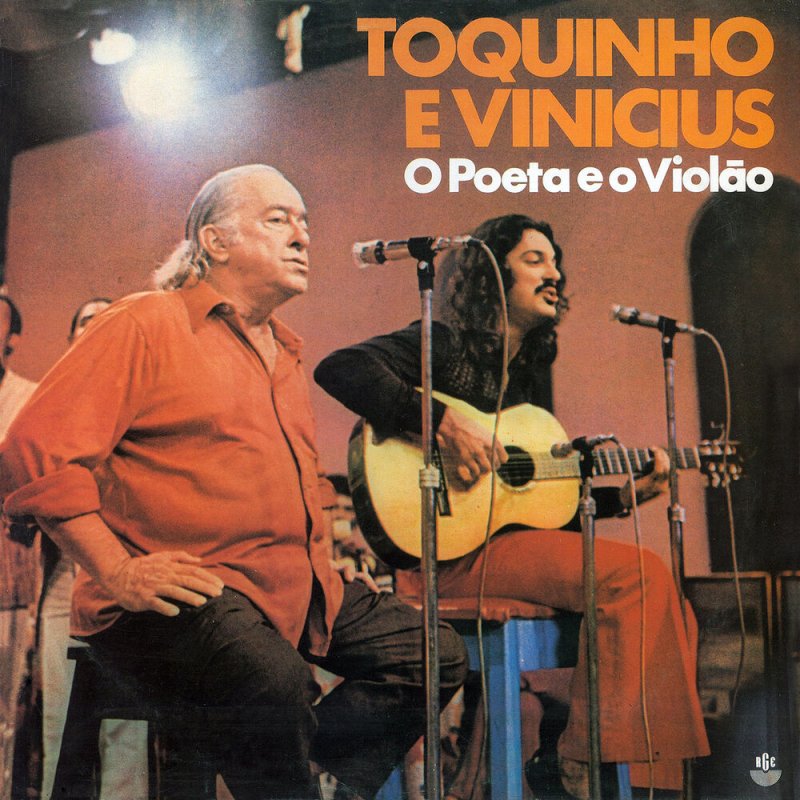
It was recorded in 1971 for the album Toquinho & Vinícius, but behind that version lies a story that goes beyond the credits. Toquinho, who was just twenty-five at the time, had only recently begun playing with Vinícius de Moraes—a partnership that would last eleven years and yield over a hundred songs. The album was made in a quick session, without any pretension of perfection, as if time were pressing. Vinícius, already a renowned poet, lent his voice to his own words with that mix of irony and tenderness that defined him. The song, clocking in at just over two minutes, doesn’t try to linger: it dives straight into the theme and leaves before you realize it. By the time it was finished, no one could have imagined it would end up playing in the telenovela Espelho da Vida forty-seven years later, in 2018, as part of its soundtrack.
From album

O poeta e o violão
Toquinho · 1975 · Track 13
Details