The story behind
Tristeza, according to DoReSol
If there's a song that sounds like a dialogue between two friends who know each other too well, that's Tristeza. Recorded in a single take in a studio in Milano during 1975, Tristeza is not just a performance: it's the record of an afternoon where Toquinho's violão and Vinicius de Moraes' voice intertwine without filters. They weren't seeking technical perfection, but rather capturing the essence of what they had already lived together: from the nights in Buenos Aires to collaborations with Antônio Carlos Jobim or Baden Powell. The result is a 4:07 track that sounds like a confidence, where every pause and every laugh between takes end up becoming part of the piece.
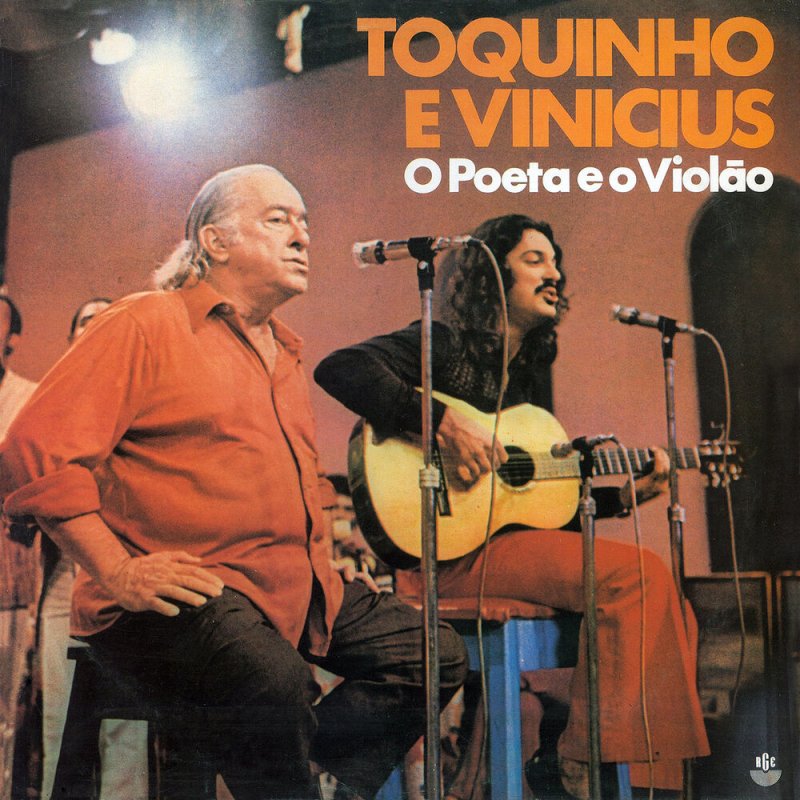
The recording was born at a key moment for both: Toquinho, who had already spent years accompanying Chico Buarque in Lua and had composed Que Maravilha with Jorge Ben, found in Vinicius an ideal accomplice. Their friendship was so close that they ended up living under the same roof, and Toquinho used to say he "took advantage" of Vinicius until the end. This bond is evident in Tristeza, where the guitar doesn't just accompany, but dialogues with the poet's voice as if they were two people telling a story at a bar table. The album O poeta e o violão, released by RGE that same year, captures this spirit: a session where what mattered wasn't technique, but the connection.
From album

O poeta e o violão
Toquinho · 1975 · Track 1
Details
Credits
Music Haroldo Lobo, Niltinho