The story behind
No bombardeen Buenos Aires, according to DoReSol
During the full dictatorship, Charly García recorded No bombardeen Buenos Aires with an atmosphere that seeped through the walls of the studios. The song sounds like an urgent cry, almost a call for calm amidst the noise of the era: a direct plea, almost childlike in its simplicity, yet laden with irony. The title itself is a warning disguised as a plea, as if the musician knew that, in that context, even the most innocent words could become dangerous. There are no adornments in the melody; the weight lies in Charly’s voice, which flows between melancholy and defiance, while the piano and drums set a rhythm that neither forgives nor excuses.
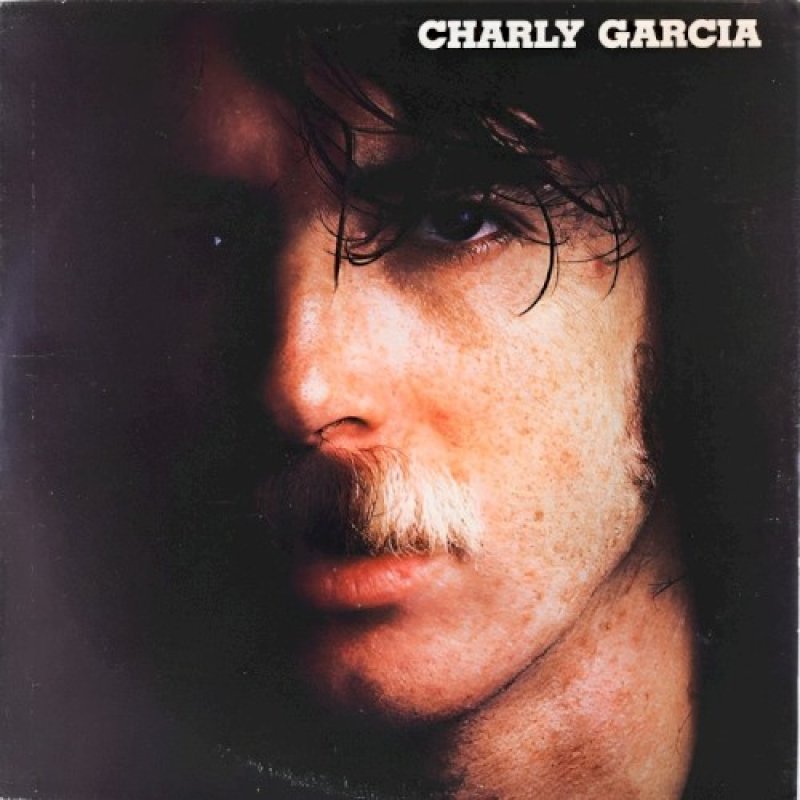
The recording took place in August 1982, just as the Falklands War had just ended and the country breathed between relief and uncertainty. Charly was 30 years old and had already spent a decade shaping Argentine rock with Sui Géneris and Serú Girán, but here he dared to do something different: a solo album where politics and the personal blended without filters. Recorded at Estudios ION and Estudios Panda, with mixes signed by Amílcar Gilabert, the album Yendo de la cama al living hit the airwaves with guests like Luis Alberto Spinetta, Pedro Aznar —who was already his bandmate in Serú Girán— and León Gieco, credited as "Ricardo Gómez" due to a record label exclusivity clause. The song itself lasts 4:04, but time seems to stop with each note, as if Charly himself knew that, in that moment, he was recording something more than just a song.
From album

Yendo de la cama al living
Charly García · 1982 · Track 3
Details
Credits
Lyrics Charly García
Music Charly García