Chords in progress
We have not analyzed this song audio yet. Once it is ready, you will see the chord player synced with the video.
The story behind
Misty Mountain Hop, according to DoReSol
There’s something about “Misty Mountain Hop” that’s unlike anything else by Led Zeppelin. It’s not just the opening riff—that bass line that winds like a twisting road through major chords—but that feeling of walking through a landscape that doesn’t exist yet that we all recognize. The title comes from the Misty Mountains in *The Hobbit*, but the song doesn’t sound like fantasy: it sounds like a cry in the midst of a crowd, like that July 7, 1968, in Hyde Park when the police charged the Legalize Pot Rally. Robert Plant doesn’t sing about elves; he sings about a world where freedom isn’t just a line in a song, but something real. And that contrast—between the epic and the earthly—is what makes the song unforgettable.
They recorded it at Headley Grange, that mansion in Hampshire where the band would retreat between tours. They weren’t looking for perfection: they were looking for a sound that breathed, that smelled of sweat and old wood. Jimmy Page built the structure around a beat that shifts between the rhythmic and the free, while John Paul Jones wove bass lines that seem to take on a life of their own. The song was released as the B-side to “Black Dog” in December 1971, but within less than two years it had already become an essential part of their live shows. In 2019, Rolling Stone ranked it No. 10 on its list of the best songs, but that’s just another statistic: what matters is that, decades later, it still sounds as if time has left it untouched.
From album
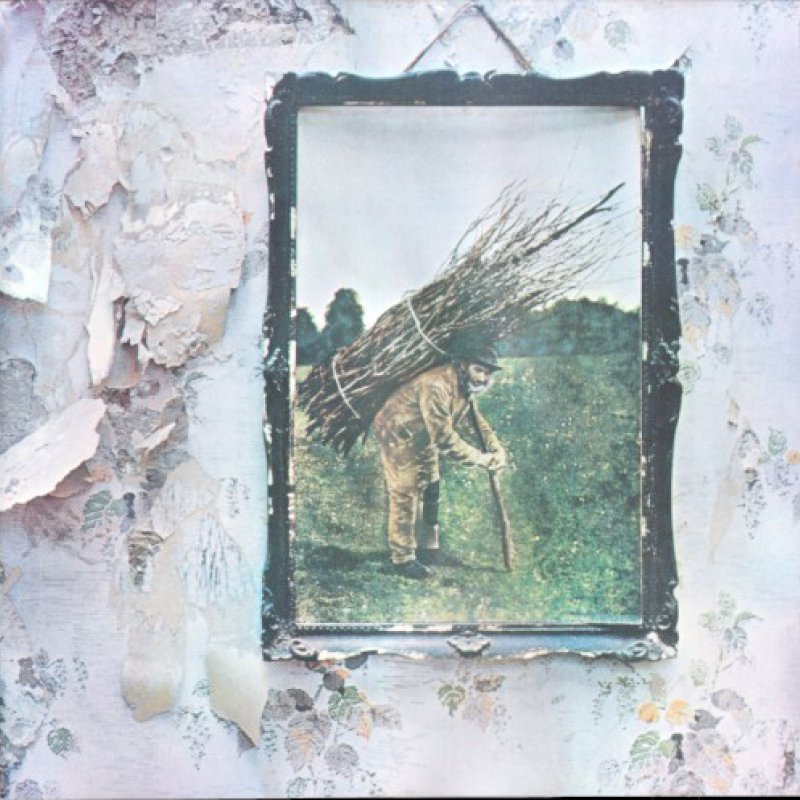
![[Led Zeppelin IV]](https://doresol.com/assets/img/albums/led-zeppelin-iv-led-zeppelin.jpg?v=1779906541)
[Led Zeppelin IV]
Led Zeppelin
Details
Credits
Music Jimmy Page, Robert Plant, John Paul Jones