The story behind
Maybe Tomorrow, according to DoReSol
If there's one thing that defines Maybe Tomorrow it's that air between stripped-down and melancholic that envelops Kelly Jones' voice from the first measure. It's not the noisiest Stereophonics nor the one burdened by the weight of classic Welsh rock; here, the band allows itself to breathe, letting the piano and string arrangements —uncommon in their discography— give the song a near-jazz twist. The track sounds as if it were recorded in a dimly lit basement, yet with enough clarity for every note of the acoustic guitar and bass to resonate with an intimacy rarely found in their most well-known songs. It's that blend of rawness and elegance that makes the song still sound fresh even after twenty years, as if time had never passed over it.
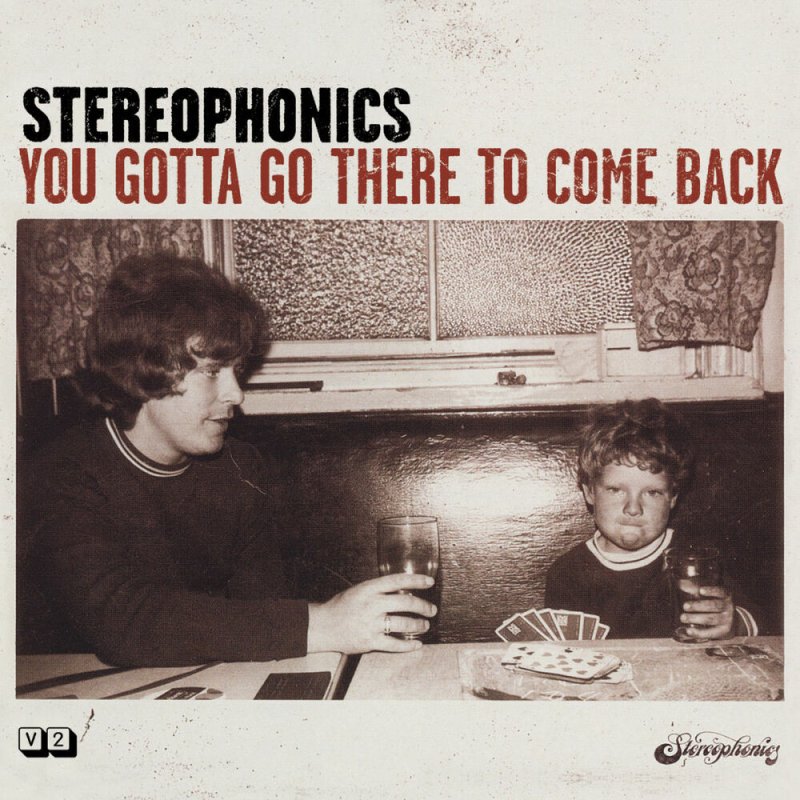
The idea for this shift in direction emerged during the recording sessions for You Gotta Go There to Come Back, the album they finished between September and December 2002 at Hook End Manor studio in Checkendon, England. Jones sought to capture the energy of his live concerts but without relying on the powerful riffs or massive choruses of previous records. The result was a more organic album, with layers of sound that overlapped as if each instrument had been recorded in a separate take, without later editing. Maybe Tomorrow was the single released from that process on July 21, 2003, and it didn't take long to climb the radio charts: it reached third place on the UK Singles Chart and stayed within the top five on alternative charts in the United States, where the song resonated deeply in adult rock stations. But the most curious aspect is that its greatest exposure didn't come from music, but from film: the song played during the end credits of Crash, the Academy Award-winning movie that same year, and also opened the soundtrack of Wicker Park. Two very different films, yet both sharing that same sense of contained tension, as if the song had been written to accompany stories where fate plays both for and against at the same time. In 2020, the British Phonographic Industry awarded it a platinum disc for surpassing 600,000 copies sold and streams, a recognition that, for a song that never aimed to be an anthem, speaks volumes about its ability to connect without needing to shout.
From album

You Gotta Go There to Come Back
Stereophonics · 2003 · Track 2
Details
Credits
Lyrics Kelly Jones
Music Kelly Jones