Chords in progress
We have not analyzed this song audio yet. Once it is ready, you will see the chord player synced with the video.
The story behind
Los libros de la buena memoria, according to DoReSol
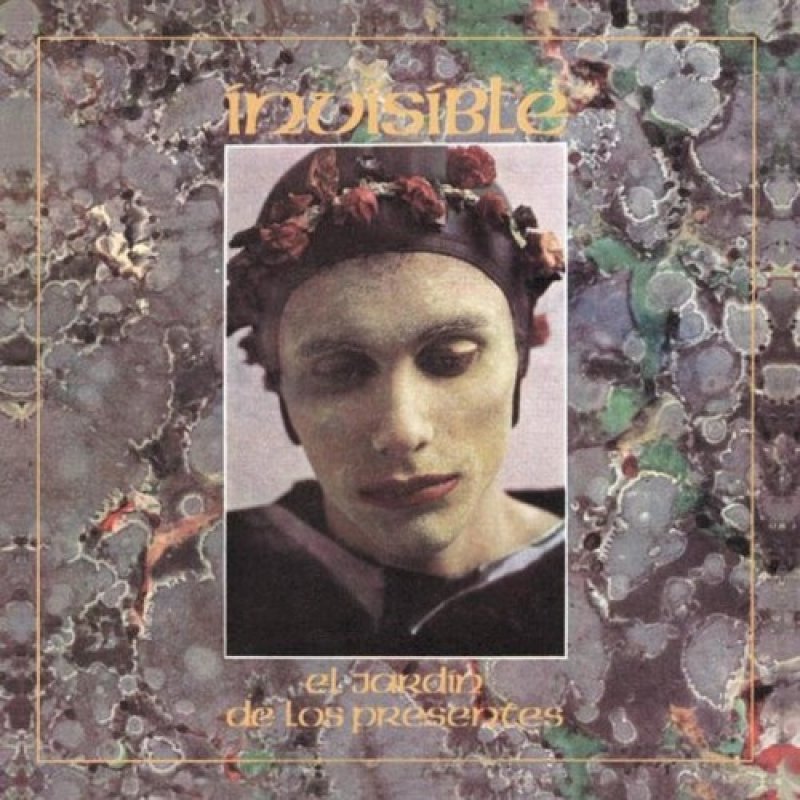
The song Los libros de la buena memoria by Invisible is not just another track in Luis Alberto Spinetta's songbook: its aquatic atmosphere, where guitars —both acoustic and electric— distort amid cymbals and an accordion that makes its first appearance on the album, turns it into a unique piece within Argentine rock. The basic harmony, with simple yet effective chords (E minor 7, A minor 7, B minor 7 and C major 7), gives it a melodic weight that contrasts with the lyrical density of the lyrics, full of symbols Spinetta defined as "a symbology of love." The accordion of Juan José Mosalini, appearing here for the first time on the album, adds that tango air that runs through the entire El jardín de los presentes, the band's third album and the last in its quartet formation.
Recorded in 1976 at CBS studios in Buenos Aires, the song was composed in the first half of that year, a politically turbulent moment in Argentina following the March 24 coup that established the self-proclaimed Proceso de Reorganización Nacional dictatorship. Memory, as a central theme, intertwines with the lyrics: not only through its title, but also through references to Jorge Luis Borges (director of the National Library) and to Funes el memorioso, one of his best-known stories. That same year, Patricia, Spinetta's partner, became pregnant with their first child, Dante, who was born in December. The band, which had started as a trio in 1973 with Spinetta, Pomo Lorenzo and Machi Rufino, incorporated Tomás Gubitsch in 1976, a change that altered their sound —closer to tango— and, along with internal tensions, would lead to their dissolution in early 1977. In 2012, the National Library of Argentina dedicated an exhibition to Spinetta's work titled Los libros de la buena memoria, reinforcing the link between the song and his literary universe.
From album

El jardín de los presentes
Invisible · 1976 · Track 2
Details
Credits
Lyrics Luis Alberto Spinetta
Music Luis Alberto Spinetta