Chords in progress
We have not analyzed this song audio yet. Once it is ready, you will see the chord player synced with the video.
The story behind
Lazy, according to DoReSol
When you dive into Deep Purple's Lazy, you encounter a piece that starts with an instrumental statement of intent. Jon Lord, at the helm of a Hammond with a well-saturated sound, marks the beginning, setting the stage for that main riff which is pure energy. What's interesting is how he and Ritchie Blackmore take turns dominating the solos, creating a constant musical dialogue. Ian Gillan's vocals enter later, adding another layer to the composition, and furthermore, both in the studio and live versions, the sound of the harmonica is added, contributing a distinctive touch. With a duration exceeding seven minutes in its album format, it's the longest song on Machine Head, and in live performances, they used to extend it even further, sometimes surpassing ten minutes.
The recording of Machine Head, the album to which Lazy belongs, took place between December 6th and 21st, 1971, in Montreux, Switzerland. The band was looking for a sound closer to their live performances, so they rented a mobile studio and booked the Montreux Casino. However, a fire during a Frank Zappa concert forced them to move everything to the Grand Hotel, which was closed for the winter, adapting it for the recording sessions. The live version featured on Made in Japan, released that same year, incorporates a fragment of Hugo Alfvén's "Swedish Rhapsody #1", performed by Ritchie Blackmore as part of his solo. Additionally, Jon Lord used to include the riff from C Jam Blues in the introduction. Guitarist Ritchie Blackmore even integrated the main riff of Lazy into his live performances of Man on the Silver Mountain with Rainbow. Ian Gillan, for his part, defined the song's genre as rhythm and blues. Live versions after the band's reunion in 1984 were usually shorter, omitting the introduction and one of the verses, although more recent performances with Steve Morse have returned to the original arrangement. The guitar solo of Lazy was voted 74th on the list of "The 100 Greatest Guitar Solos" by Guitar World magazine.
From album

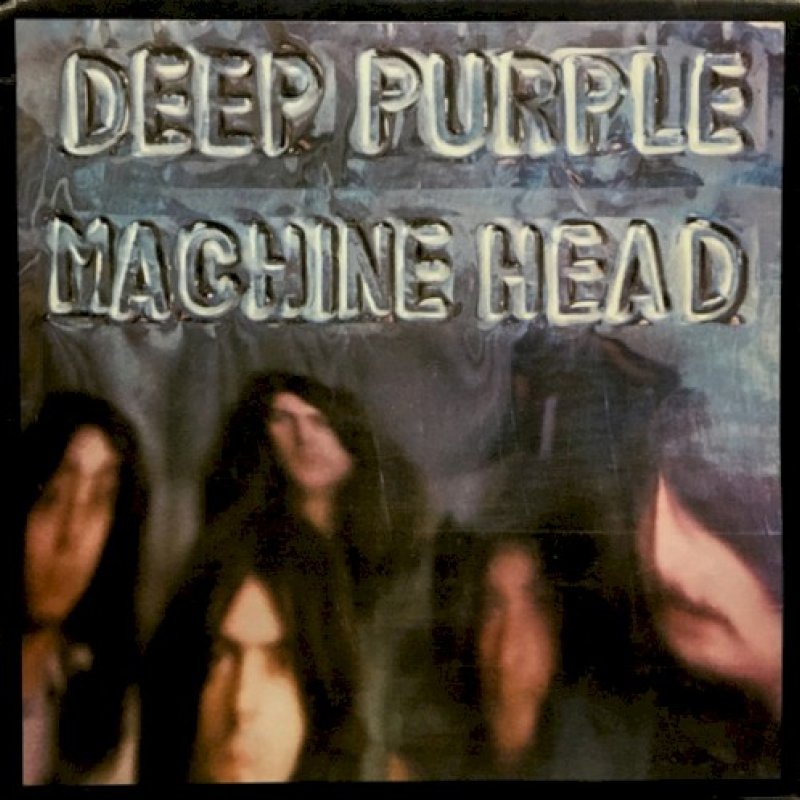
Machine Head
Deep Purple · 1972 · Track 6
Details
Credits
Music Jon Lord, Ian Paice, Ritchie Blackmore, Ian Gillan, Roger Glover