The story behind
Lazing on a Sunday Afternoon, according to DoReSol
When you dive into Lazing on a Sunday Afternoon, you encounter a piece that invites relaxation, but with a touch of sonic ingenuity. The first thing that catches your attention is how the lead vocal, handled by Freddie Mercury, presents with a particular quality. To achieve that hollow sound effect, as if it were coming from afar or from a megaphone, the vocals were recorded inside a metal bucket. The sound was captured from the outside, giving it that distinctive texture. It is even said that the guitar solo was recorded over the same vocal track, as there were no more channels available. This song, with its duration of just 1:07, is an example of how Queen experimented with production to create unique atmospheres.
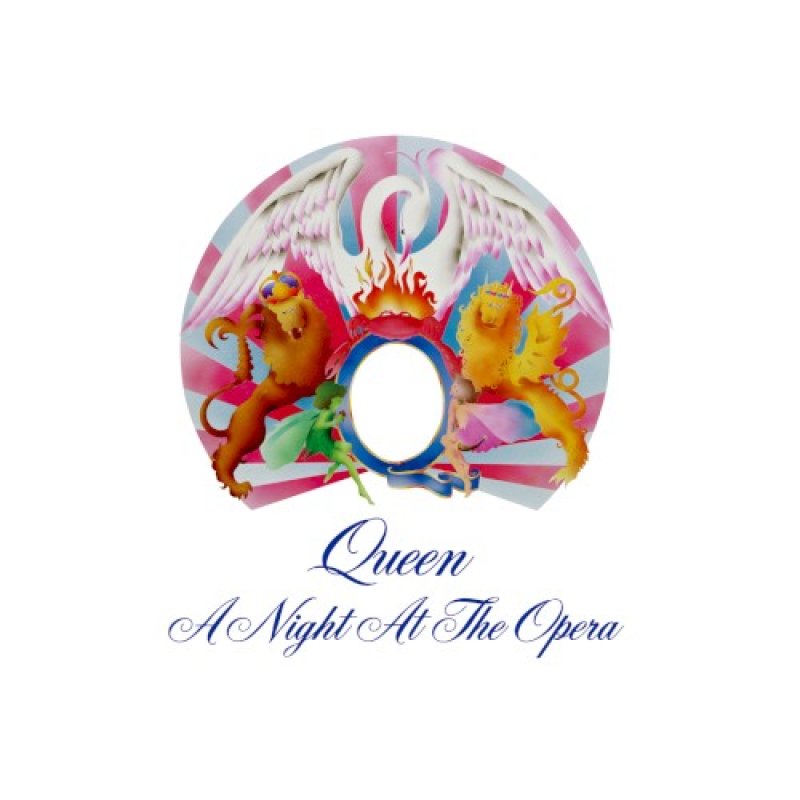
This piece is part of A Night at the Opera, Queen's fourth studio album, released in 1975. It was an album that marked a before and after for the band, becoming one of the most ambitious and expensive of its time. Roy Thomas Baker and the band themselves were in charge of production, and the album contained songs that became emblematic, such as Bohemian Rhapsody and You're My Best Friend. The album's title, in fact, originated from a night when the band watched the Marx brothers' film of the same name during the recording sessions. The recording engineers who worked on this project were Kris Fredriksson and Mike Stone, under the production of Roy Thomas Baker, Brian May, Queen, and Roger Taylor.
From album

A Night at the Opera
Queen · 1975
Details
Credits
Lyrics Freddie Mercury
Music Freddie Mercury